Productos
Segunda mano
Servicios
Reverse osmosis systems for riego


Reverse osmosis for riego that protects crops, fertigation systems and operational consistency.
In irrigation projects, water quality is not only a utility requirement; it directly influences nutrient availability, soil behavior, emitter performance, salt accumulation and long-term productivity. A properly engineered reverse osmosis riego solution helps reduce dissolved salts, hardness, chlorides, sulfates, sodium and other conductivity contributors that can limit crop response or damage irrigation infrastructure.
The objective is to convert variable feed water into a controlled permeate stream that supports stable fertigation recipes, predictable electrical conductivity and better compatibility with greenhouse, nursery, hydroponic, open-field or specialty crop operations. For industrial buyers, this means evaluating the complete water line: pretreatment, membrane selection, recovery, instrumentation, automation, cleaning access, service strategy and integration with storage and distribution.
Why irrigation operations evaluate reverse osmosis
Many agricultural and agroindustrial sites depend on wells, surface water, municipal supply or reused water with changing mineral load. When conductivity, sodium adsorption risk, hardness or specific ions increase, the irrigation strategy becomes harder to manage. Reverse osmosis provides a technical path to reduce dissolved contaminants before they reach sensitive crops or precision irrigation networks.
For procurement and engineering teams, the purchase decision should not be limited to nominal capacity. The best result comes from matching feed water chemistry, crop requirement, irrigation schedule, permeate quality target, recovery percentage, antiscalant program and maintenance plan. This page structures the key criteria needed to compare suppliers and define a system that is technically viable for riego applications.
- Designed around feed water analysis and target permeate quality.
- Compatible with automation, monitoring and staged pretreatment.
- Focused on continuity, membrane life and operating cost control.
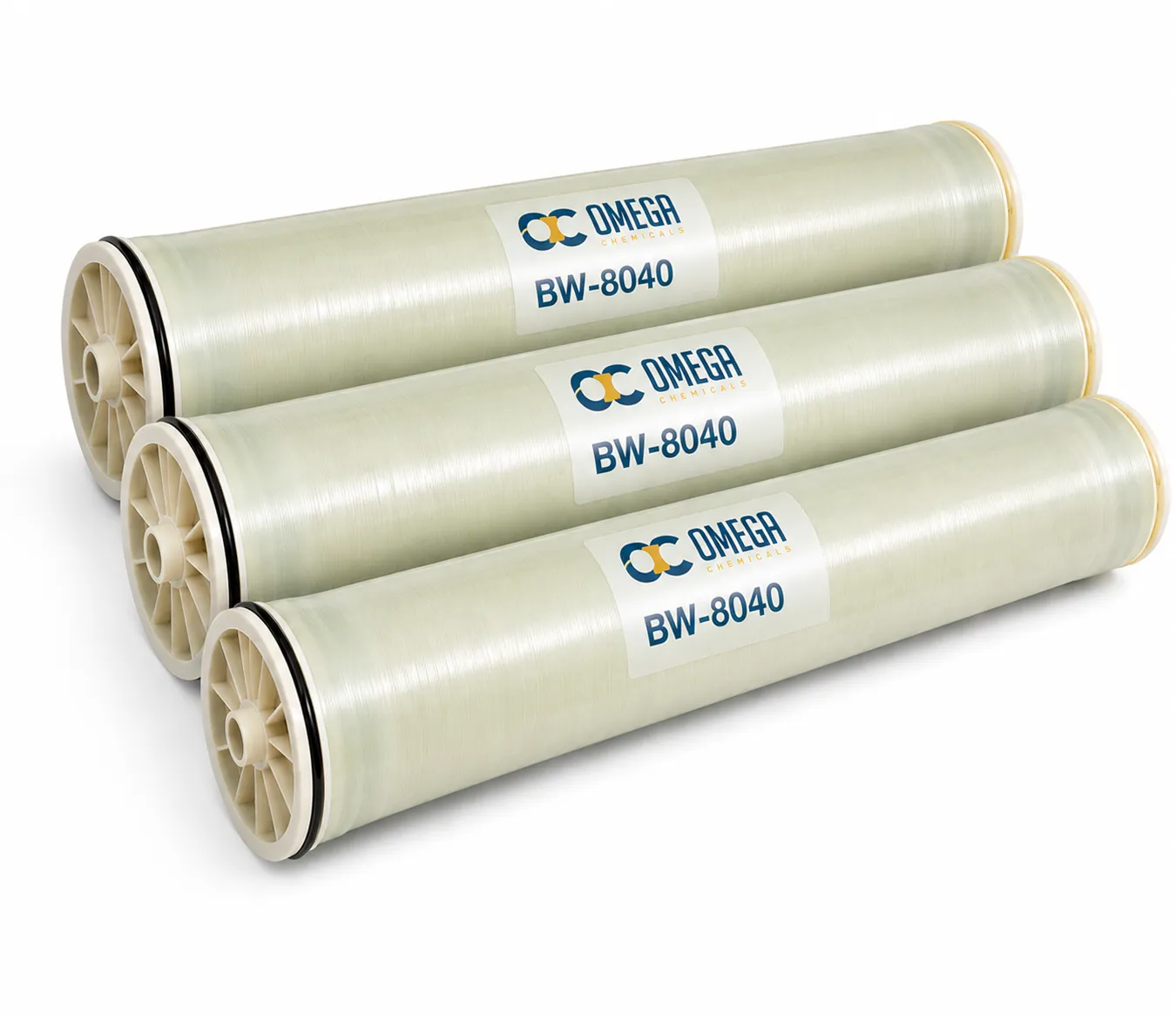
Estos productos podrian interesarte
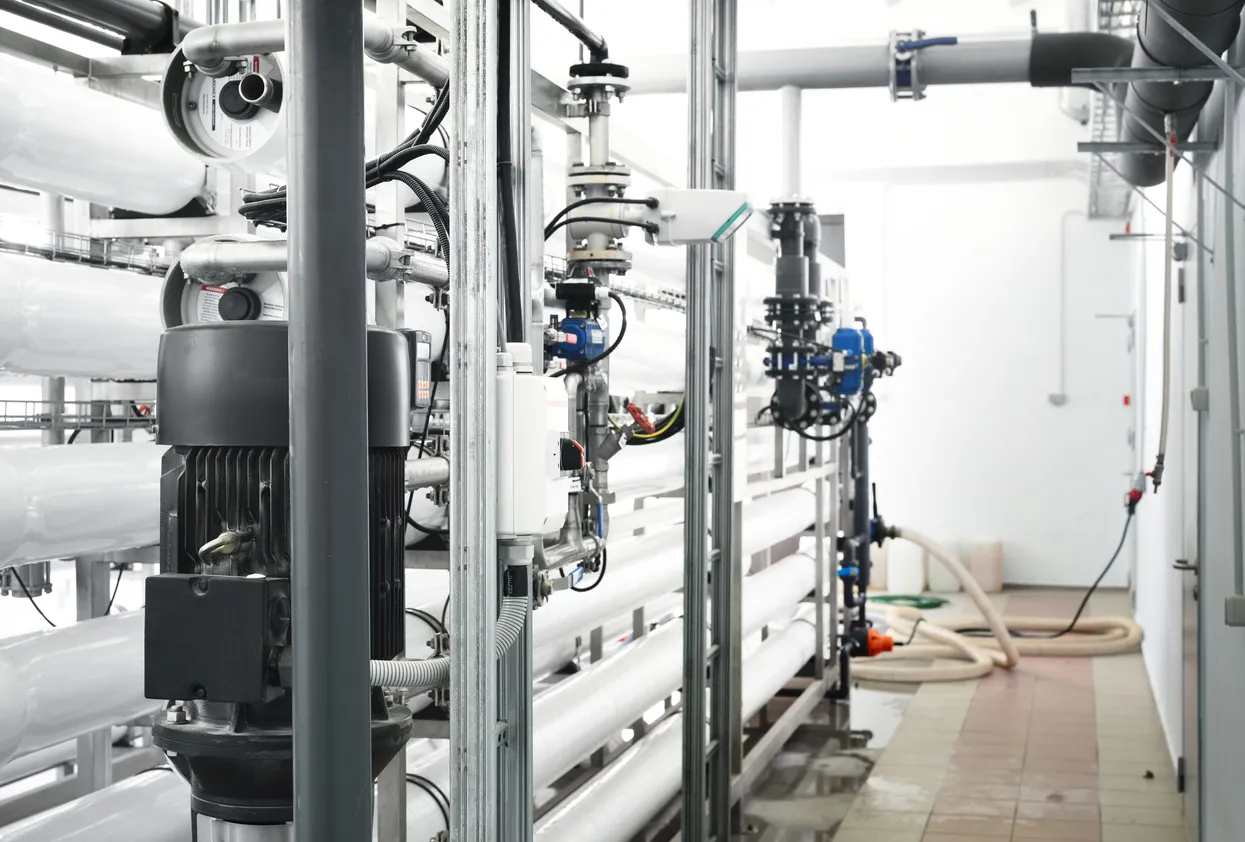
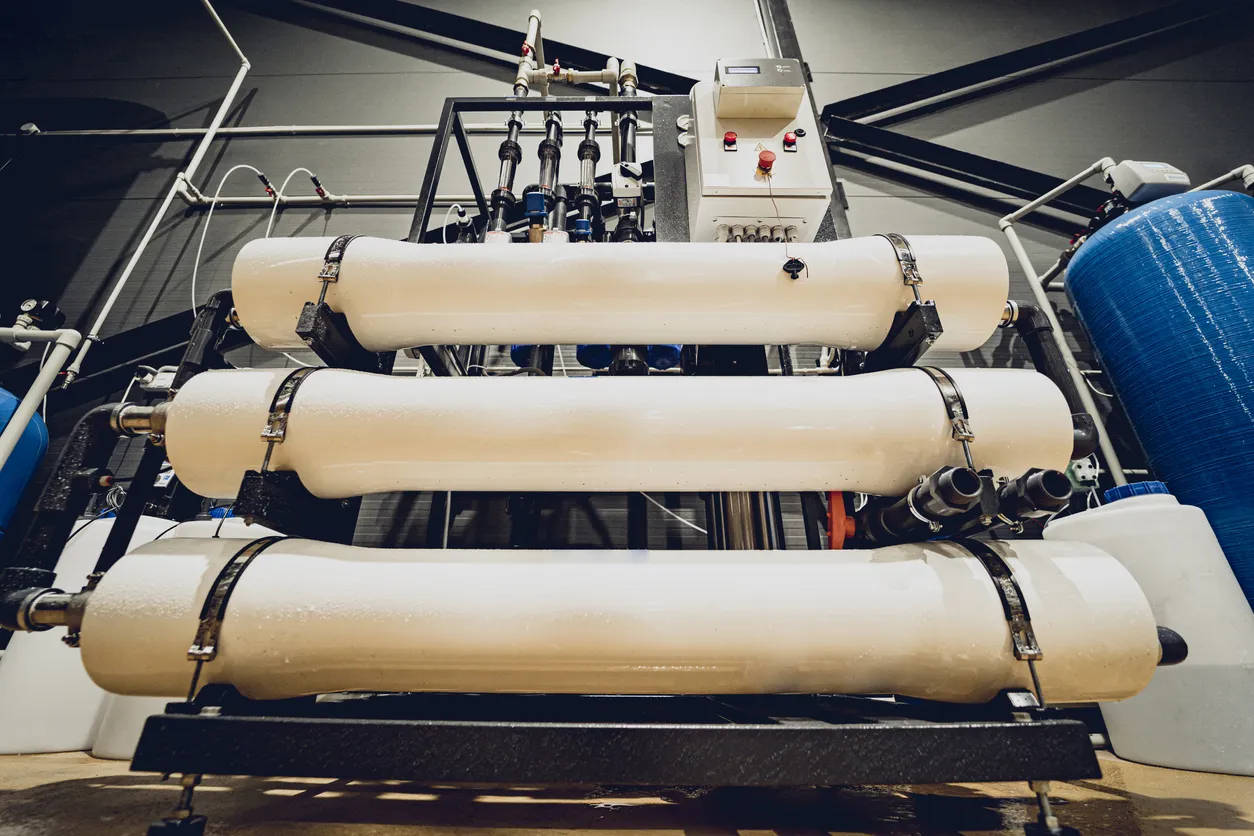
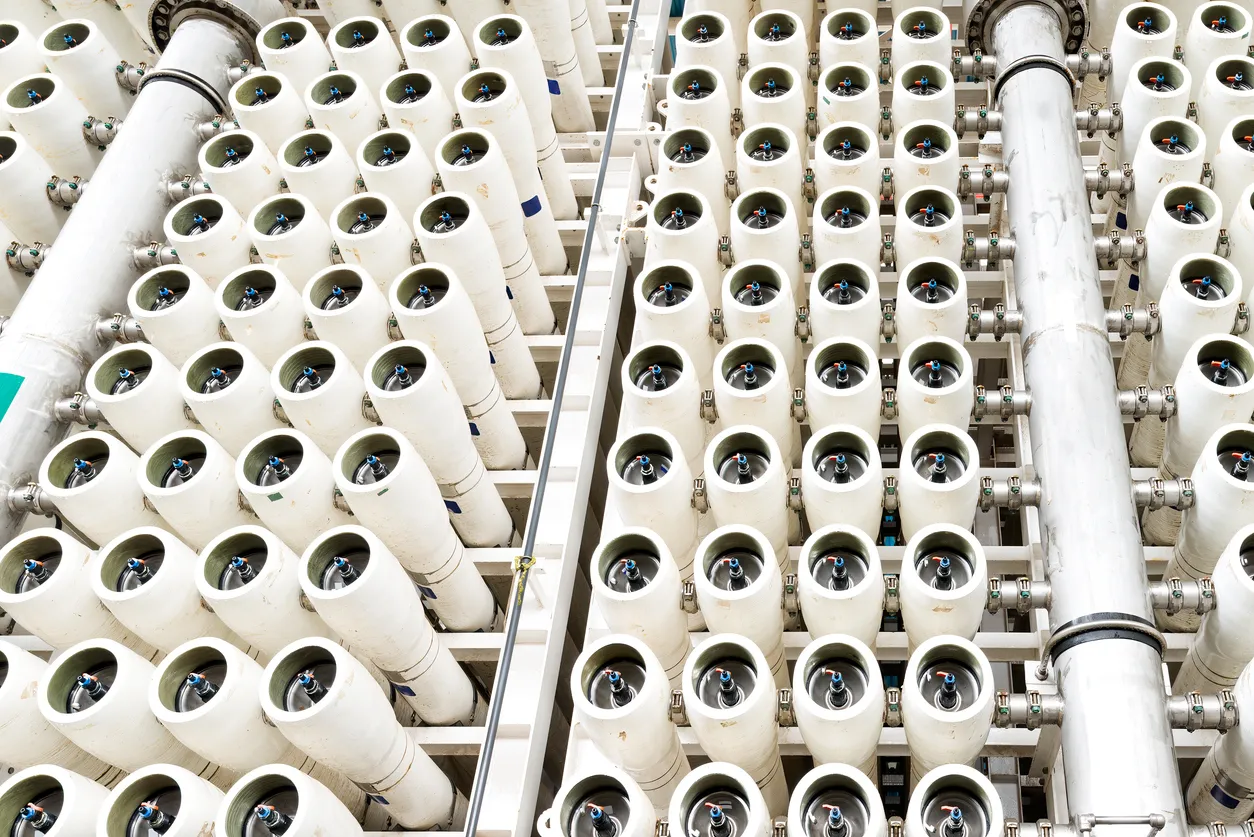
Water quality variables that justify reverse osmosis in riego projects
In irrigation, water is part of the production system. Poor control of dissolved salts can reduce crop uniformity, alter nutrient uptake, increase leaching requirements and generate deposits in emitters, filters, valves and pipelines. Reverse osmosis is evaluated when the source water exceeds the quality window required by the crop, fertigation program or irrigation technology.
A complete evaluation starts with laboratory analysis and operational data. Conductivity, total dissolved solids, hardness, alkalinity, chlorides, sulfates, sodium, silica, iron, manganese and microbiological load must be reviewed together. The decision should also consider seasonal variation because wells and surface sources may change concentration during dry periods, heavy pumping or blending with other supplies.
Electrical conductivity
High EC indicates dissolved ionic load that may create osmotic stress in plants. A reverse osmosis system can reduce EC and provide a more predictable base water for fertilization programs.
Hardness and scaling
Calcium and magnesium can form carbonate scale in pipes, emitters and equipment. Pretreatment and membrane operation must be designed to reduce fouling and protect distribution assets.
Sodium and chlorides
Sensitive crops can be affected by sodium and chloride accumulation. RO helps lower these ions and supports better management of salinity and soil structure risks.
Silica, iron and particulates
These contaminants may foul membranes or plug emitters. Their presence defines pretreatment, cleaning frequency and instrumentation requirements.
Engineering criteria for a reverse osmosis riego system
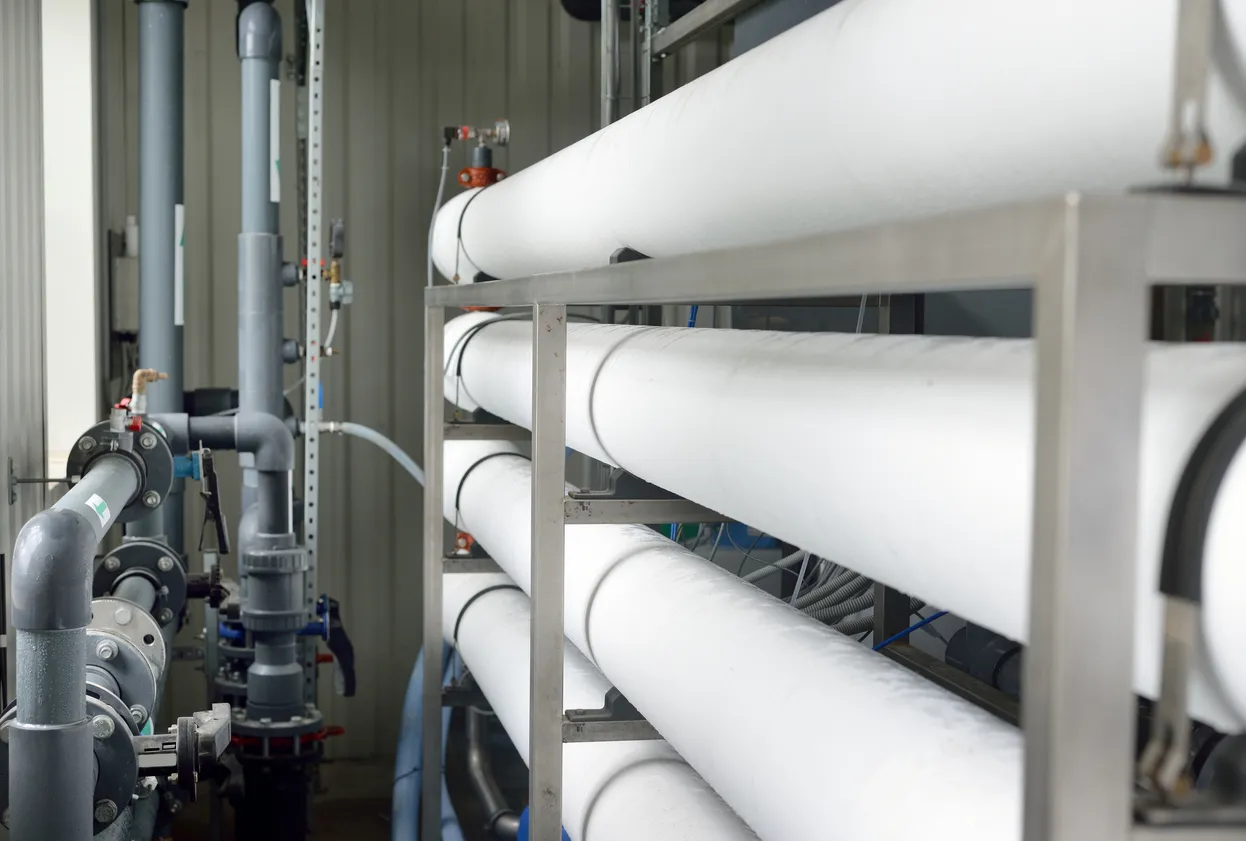
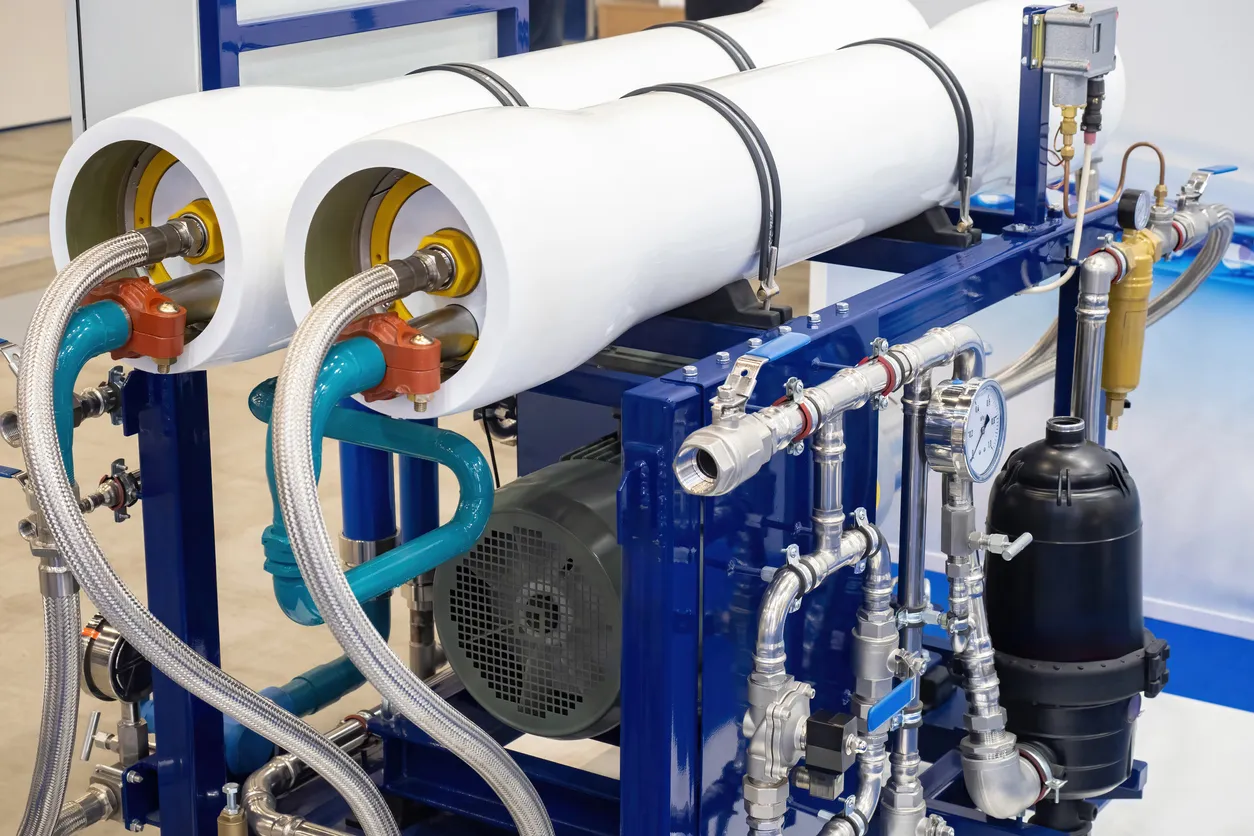
The engineering package must translate irrigation demand into a reliable treatment train. A design for a greenhouse with daily nutrient dosing is different from a design for open-field irrigation, hydroponic production, nursery water or industrial landscaping. Flow profile, storage volume, operating hours, recovery, feed quality and permeate objective determine the membrane array, pump selection and automation level.
For a broader understanding of equipment configuration, review sistema de osmosis inversa. If the project requires sizing, quality targets and integration with existing utilities, the technical definition should be supported by ingenieria de osmosis inversa.
Feed water characterization
Confirm analytical data, source variability, suspended solids, biological load and scaling tendency. This step defines whether media filtration, softening, chemical dosing, cartridge filtration, oxidation or dechlorination is required before membranes.
Permeate quality target
Establish the maximum conductivity, ion concentration or blending percentage required for the crop and irrigation method. In many projects, permeate is blended with raw water to achieve a stable target and reduce operating cost.
Hydraulic and storage balance
Determine peak irrigation demand, operating hours, tank capacity, pressure requirements and distribution logic. The RO unit may operate continuously while irrigation occurs in batches, so storage design becomes critical.
Recovery and concentrate management
Recovery must balance water efficiency against scaling risk. Concentrate disposal or reuse must be reviewed early because irrigation sites may have strict water management limits.
System specification
Define membranes, vessels, pumps, instruments, controls, pretreatment and CIP connections as a complete engineered package rather than isolated components.
Service integration
For installation, maintenance and operational support, evaluate servicio de osmosis inversa and supplier capability.
Supplier comparison
To compare options by category, consult servicios osmosis inversa and review technical scope, support and documentation.
Operation and monitoring requirements for irrigation RO systems
Reverse osmosis equipment used for riego must operate with discipline because membranes respond to pressure, temperature, feed quality, recovery and chemical conditions. A system may be well designed but still fail if operating data is not recorded or if pretreatment is neglected. For that reason, buyers should request instrumentation and a service plan that make performance visible.
Key readings include feed pressure, concentrate pressure, permeate pressure, feed conductivity, permeate conductivity, flow rates, recovery, differential pressure across filters, pH when chemical dosing is used and tank levels. Trending these variables helps detect fouling, scaling, membrane damage, pump wear or feed-water changes before they affect irrigation.
Confirms that the system is producing water compatible with irrigation and fertigation targets.
Allows performance comparison over time despite changes in temperature or pressure.
Indicates filter plugging, membrane fouling or hydraulic restrictions that can reduce capacity.
Helps balance water efficiency, scaling risk and concentrate handling.
An operating protocol should include startup sequence, flushing, cartridge replacement, antiscalant verification, chlorine control when polyamide membranes are used, cleaning triggers, shutdown practices and emergency response. For irrigation applications, the protocol should also define how treated water is blended, stored and supplied to nutrient dosing systems. This reduces the risk of sudden water-quality changes reaching crops.
Additional evaluation notes for procurement and engineering teams
When reverse osmosis is applied to irrigation, the economic value comes from the interaction between crop response, water reliability and equipment protection. Reduced salinity may improve the ability to design nutrient recipes, but the system must be operated with realistic recovery and membrane protection. Overdriving the unit to save water can increase scaling, while under-instrumented operation can hide gradual performance loss. A good supplier should be able to explain the tradeoffs and document the assumptions behind capacity, recovery and permeate quality.
Energy consumption, concentrate flow, antiscalant use, cartridge replacement and membrane cleaning should be estimated during the proposal stage. These costs may be small compared with crop losses or irrigation downtime, but they are important for budget approval. Buyers should request a clear list of consumables and the expected conditions that trigger replacement. This helps avoid proposals that look inexpensive at purchase but become difficult to maintain in field conditions.
Integration with fertigation is another critical point. Permeate may have low buffering capacity, so pH correction and nutrient dosing logic must be reviewed. Blending treated and untreated water can be useful, but it requires stable controls and continuous measurement to avoid fluctuations. If the farm uses multiple irrigation zones, the treatment and storage system must support the highest simultaneous demand or operate with sufficient buffer volume.
Finally, the project should include commissioning data. Initial feed conductivity, permeate conductivity, pressures, flows and recovery become the baseline for future maintenance. Without this baseline, it is difficult to know whether a reduction in capacity is caused by fouling, seasonal feed changes, pump performance or valve settings. This is why an engineered reverse osmosis system for riego should always include training and a simple performance log.
Heat transfer fluids for data centers, HVAC and industrial applications
Omega Chemicals offers solutions such as DOWFROST™ LC, KOSTChill PG XL, OMEGA DO LC30 and OMEGA DO LC25 for reliable thermal performance in critical applications.
- DOWFROST™ LC for data centers.
- KOSTChill PG XL for HVAC and computing.
- PG fluids for heat transfer.
- OMEGA DO LC30 PG 30 heat transfer fluid.
- OMEGA DO LC25 for industrial engines.
- Guidance in selecting the right product.
Frequently asked questions about reverse osmosis for riego
These questions help procurement, maintenance and agricultural operations teams evaluate whether reverse osmosis is appropriate for irrigation water quality control.
When should an irrigation operation consider reverse osmosis?
Reverse osmosis should be considered when source water has high conductivity, excessive dissolved solids, sodium, chlorides, hardness or other contaminants that interfere with crop quality, fertigation precision, emitter performance or soil management. It is also useful when the operation needs a stable water base for sensitive crops, hydroponics, greenhouse irrigation or controlled nutrient recipes.
Is reverse osmosis always used at 100% permeate for irrigation?
No. Many riego applications use blending. Permeate from the RO system can be mixed with a controlled portion of raw water to achieve a target conductivity or mineral profile. This approach can reduce operating cost and concentrate volume, but it must be monitored to avoid quality fluctuations.
What information is needed to size a reverse osmosis riego system?
The supplier should request feed-water analysis, daily and peak irrigation demand, operating hours, tank capacity, target permeate quality, irrigation method, crop sensitivity, available utilities and concentrate handling options. Without these inputs, the proposal may not reflect the actual agricultural process.
What maintenance is required?
Maintenance normally includes checking pressures and flows, replacing cartridge filters, verifying pretreatment, monitoring conductivity, confirming chemical dosing, flushing the system and cleaning membranes when performance trends indicate fouling or scaling. A baseline from commissioning is essential to identify when performance has changed.
Can reverse osmosis improve fertigation consistency?
Yes. By reducing variable dissolved salts and providing a cleaner water base, reverse osmosis can make nutrient dosing more predictable. However, the fertigation program must account for low-mineral water, pH behavior and blending strategy. The RO system should be integrated with storage, dosing and irrigation controls.
How should suppliers be compared?
Compare suppliers by engineering basis, pretreatment design, membrane selection, automation, service capability, documentation, startup support and operating cost assumptions. The lowest purchase price is not always the best option if it lacks the controls and maintenance access needed for reliable irrigation operation.

Temas que te pueden interesar
Estos productos podrian interesarte