Productos
Segunda mano
Servicios
Reverse osmosis systems for clubes deportivos


Water quality that protects athletic facilities, utilities and member experience
For sports clubs, the water system is not only a utility. It supports showers, kitchens, laundry, ice machines, boilers, cooling equipment, pool make-up water and beverage preparation. A properly engineered reverse osmosis solution helps reduce dissolved salts, hardness, chlorides and conductivity so each water-consuming area operates with greater consistency.
This content explains how reverse osmosis can be evaluated for clubes deportivos that need stable water quality, lower scale formation, cleaner surfaces, more predictable maintenance and better control of operational risks. The focus is technical and commercial: selecting the right system capacity, pretreatment, controls, instrumentation, redundancy and service scope before making a purchase decision.
Salt and hardness reduction for multiple service points.
Operational planning for clubs with long service hours.
Engineering criteria for purchasing and facility teams.
Strategic value for sports clubs
A reverse osmosis project can support lower scaling in heaters, more stable water for laundry and kitchens, better feed quality for specialized equipment and a cleaner operating baseline for maintenance teams. The real value comes when the system is designed around demand peaks, storage, distribution pressure and service response, not only around nominal flow.
Índice de secciones
1. Commercial overview→ 2. Water uses in sports clubs→ 3. Engineering and design criteria→ 4. Operation, monitoring and maintenance→ 5. Purchase evaluation checklist→ 6. FAQ→In clubes deportivos, water quality can directly affect comfort, cleanliness, equipment reliability and the perception of the facility. Hard or high-conductivity water may leave mineral deposits on fixtures, reduce heat-transfer efficiency, increase chemical demand and create recurring maintenance problems. Reverse osmosis helps create a controlled permeate stream that can be blended, stored or distributed according to each use. For purchasing teams, this means a clearer way to compare alternatives: feed water analysis, target permeate quality, flow demand, storage autonomy, redundancy, service coverage and lifecycle cost.
Estos productos podrian interesarte

Where reverse osmosis adds value in clubes deportivos
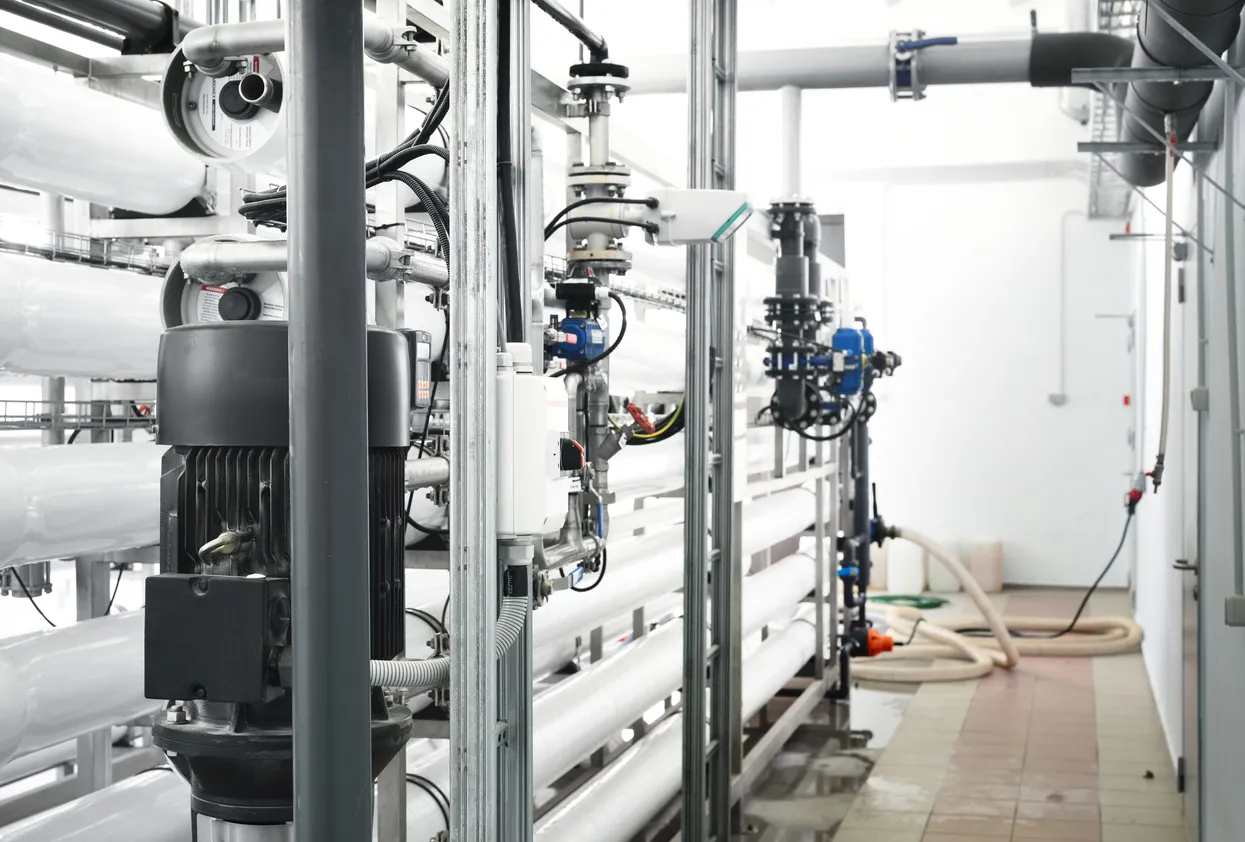
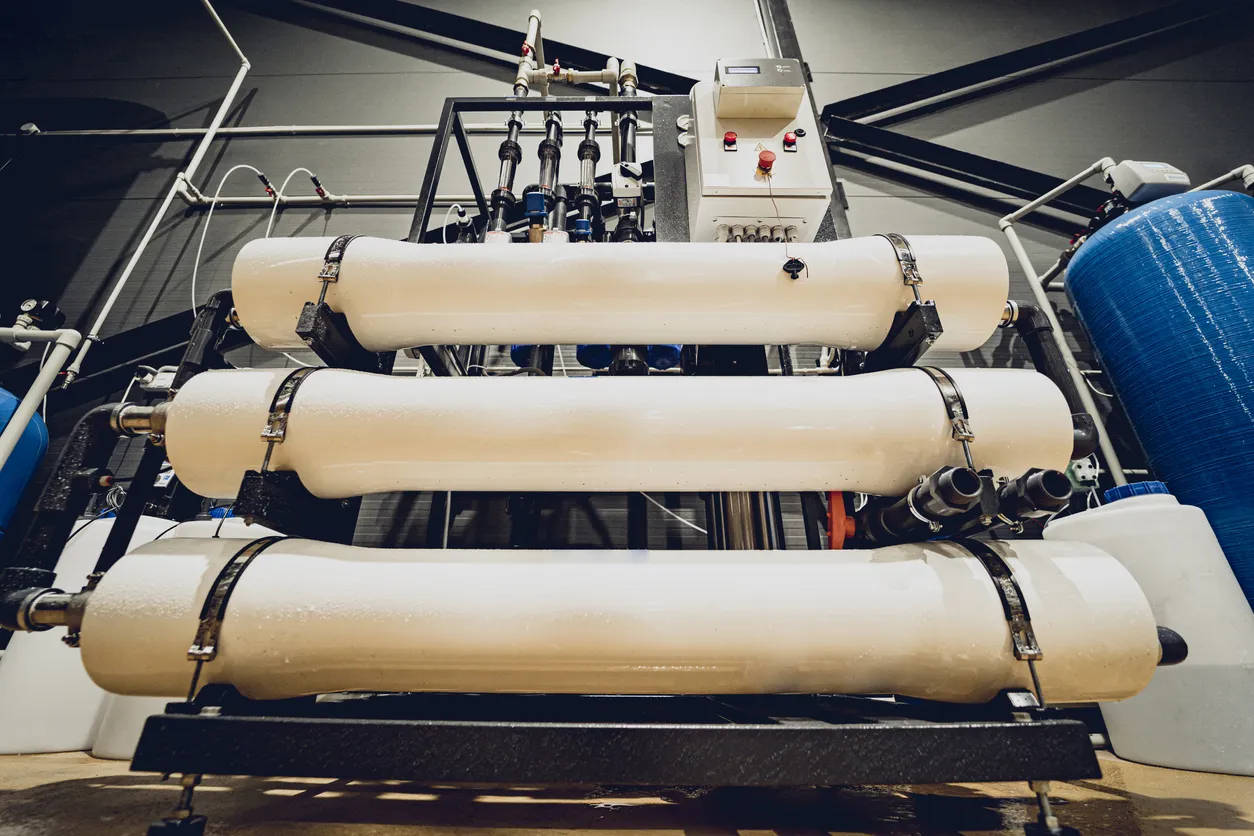
Sports clubs have a mixed water profile. A single facility may include showers, locker rooms, kitchens, cafeterias, ice production, laundry, boilers, cooling loops, humidification, irrigation support areas, pools and cleaning stations. Because these services operate under different schedules and quality expectations, a reverse osmosis project must begin with a water-use map instead of a generic equipment quotation.
The keyword reverse osmosis clubes deportivos is most relevant when the buyer is not only looking for a membrane skid, but for an integrated water quality solution. The system may feed the entire building, a specific utility room, a kitchen zone, a laundry area or a polishing tank. Each option changes the flow, storage, pressure and blending requirements.
Regresar al índice ↑| Club area | Typical water challenge | RO design consideration |
|---|---|---|
| Locker rooms and showers | Scale on fixtures, spotting and comfort complaints | Permeate blending, storage sizing and pressure stabilization |
| Kitchen and cafeteria | Flavor consistency, equipment scaling and steam quality | Point-of-use polishing or dedicated line with sanitary storage |
| Laundry | Mineral deposits, detergent inefficiency and textile appearance | Flow peaks, tank recovery and hardness reduction targets |
| Boilers or heaters | Scale, blowdown, energy loss and maintenance frequency | Pretreatment, conductivity control and feed compatibility |
| Cooling and HVAC support | Conductivity cycles, scaling tendency and corrosion risk | Feed water analysis, antiscalant strategy and monitoring points |
Demand profile
Peak demand matters more than average consumption. A club can have intense usage before and after training sessions, tournaments, classes and weekend events. RO capacity must be compared with storage and distribution needs.
Quality objective
The required permeate quality depends on whether water is used for utility protection, member experience, foodservice, steam generation or equipment protection. Conductivity, hardness and silica targets should be defined early.
Operational continuity
Clubs may operate long hours, so the system should include alarms, pressure protection, automatic flushing, spare capacity or service plans that reduce downtime during busy periods.
Engineering criteria before selecting an RO system
A professional reverse osmosis selection starts with a complete feed water analysis: conductivity, TDS, hardness, alkalinity, silica, iron, manganese, turbidity, chlorine, pH, temperature and microbiological risk when applicable. These variables define pretreatment, membrane type, recovery, antiscalant dose and cleaning frequency. Without this information, the purchase decision becomes risky because the system may be oversized, undersized or vulnerable to scaling and fouling.
For clubes deportivos, the system should be designed around service areas and operating habits. A kitchen may require consistent water quality throughout the day, while showers can create very high short-duration peaks. Laundry may operate in batches. Equipment rooms may require steady utility water. The engineer must determine whether RO water will be produced continuously into a storage tank, produced on demand, blended with raw water or distributed to selected points only.
Important design variables include permeate flow, recovery percentage, reject disposal route, tank volume, pump pressure, recirculation, UV or post-treatment options, cartridge filtration, softening or antiscalant pretreatment, instrumentation and control logic. The buyer should also review service access, footprint, electrical requirements, drain capacity, bypass arrangement and whether the system can be expanded if the club adds facilities.
Recommended interlinks for technical evaluation
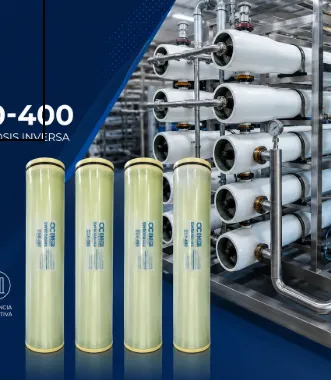
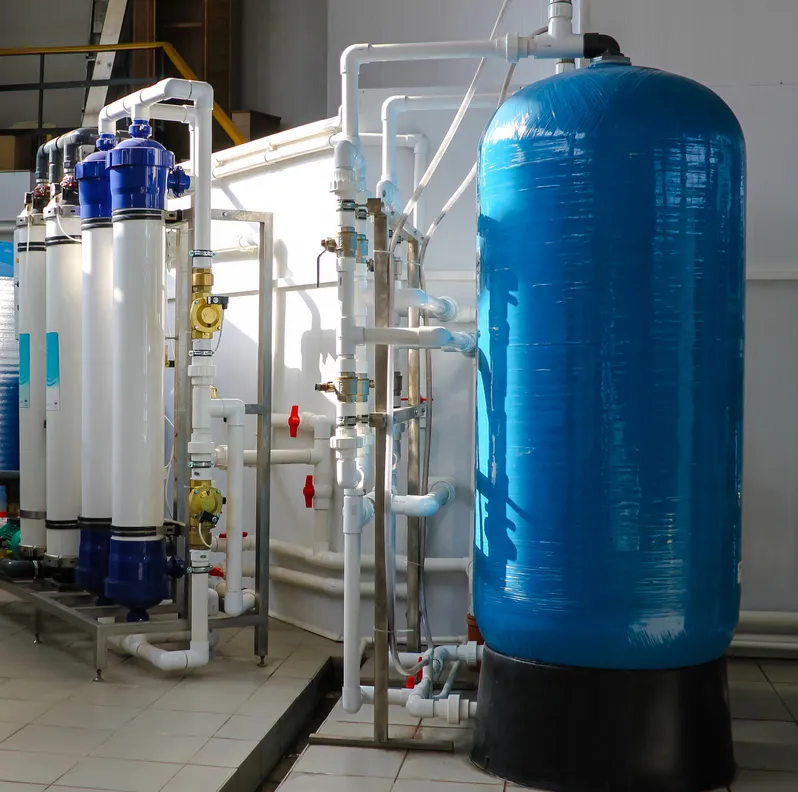
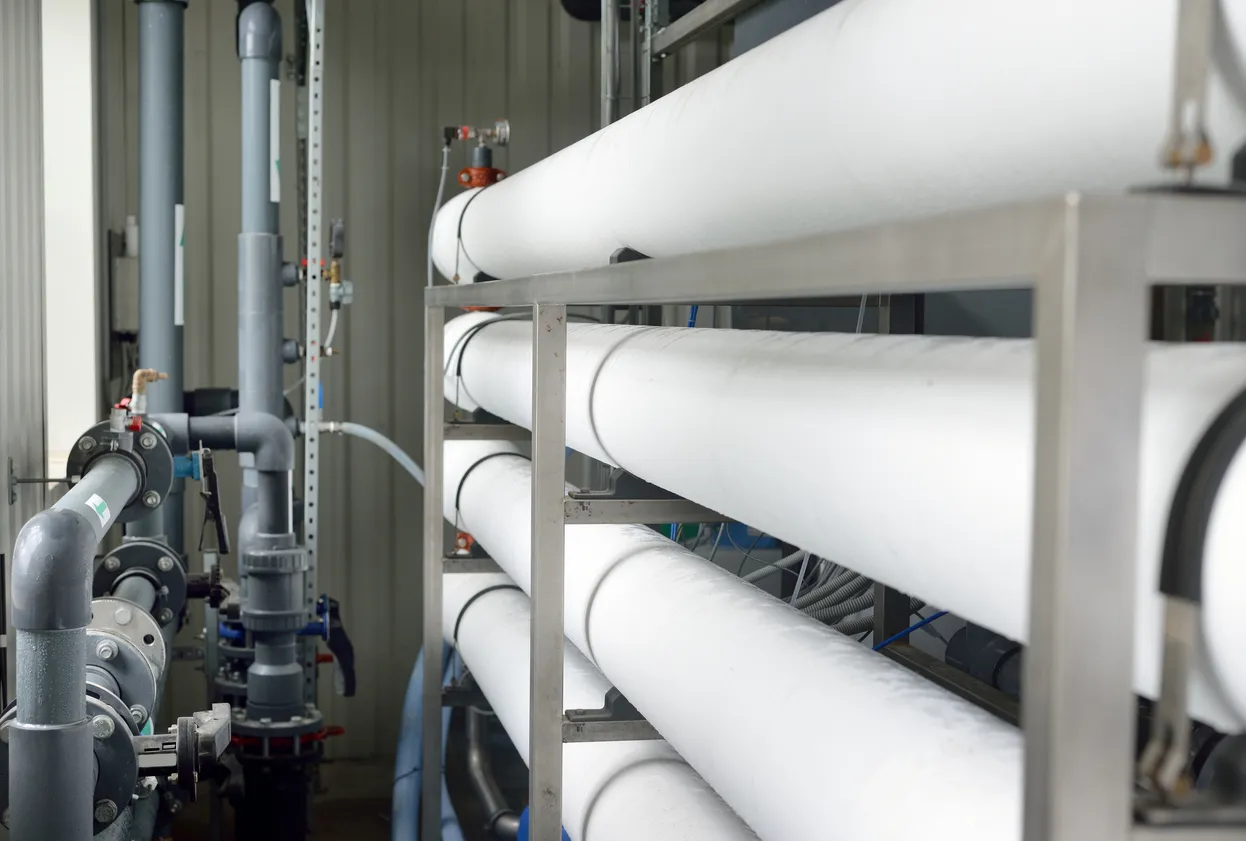
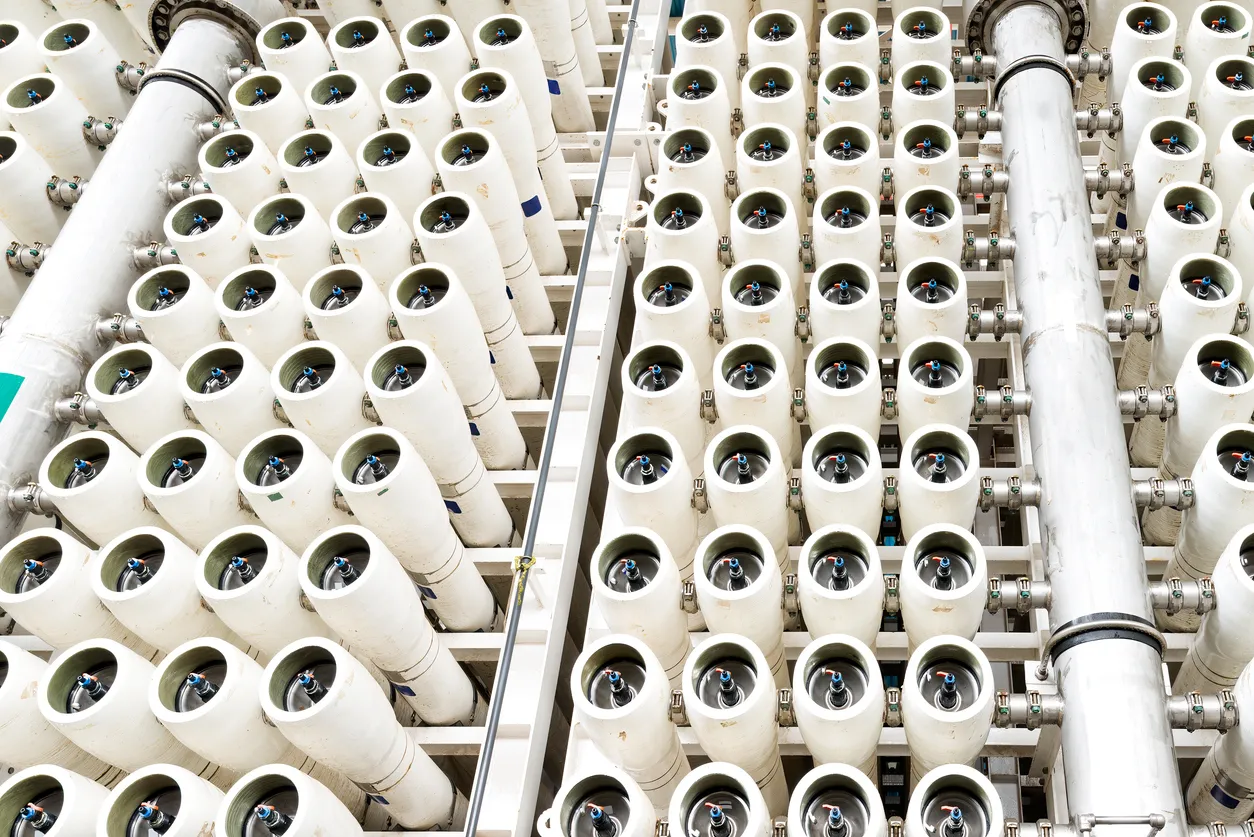
To understand the full architecture of an RO installation, review a sistema de ósmosis inversa. For sizing, water analysis and process design, consult ingeniería de ósmosis inversa. For operation, diagnostics and corrective support, evaluate servicio de ósmosis inversa and the category page for servicios ósmosis inversa.
These interlinks help a purchasing team move from a general need to an informed specification. A club should request a proposal that explains not only equipment price, but also water assumptions, expected permeate quality, recovery, consumables, maintenance requirements and service responsibilities.
Key questions for the supplier
- What feed water parameters were used to size the system?
- What permeate conductivity and hardness reduction can be expected?
- How will the system respond to demand peaks during events?
- What pretreatment protects the membranes from chlorine, hardness, iron or turbidity?
- What alarms, sensors and service plan are included?
- How often are cartridges, membranes and chemicals expected to be replaced?
Operation, monitoring and maintenance for reliable performance
RO performance depends on stable operating conditions. The facility team should monitor feed pressure, concentrate pressure, permeate flow, concentrate flow, conductivity, differential pressure, tank level, pump status and alarms. When these variables are recorded, the club can identify scaling, fouling, membrane degradation or pretreatment failure before member-facing services are affected.
Maintenance routines should include cartridge filter replacement, softener or pretreatment verification, chemical feed inspection, conductivity calibration, leak checks, pump inspection, valve operation, tank cleaning and membrane performance normalization. A sports club that lacks internal water treatment staff should consider a service contract that includes preventive visits and emergency response.
The most common mistake is treating reverse osmosis as a one-time equipment purchase. In practice, the system is an operating asset. Its performance depends on feed water variations, seasonal temperature, demand cycles, consumables and cleaning procedures. A clear service plan protects the investment and supports predictable water quality across the facility.
Operational indicators to request
Conductivity trend
Shows permeate quality stability and helps detect membrane damage or bypass issues.
Differential pressure
Indicates fouling or plugged elements when pressure drop rises over time.
Recovery percentage
Confirms the relationship between permeate and reject streams under safe conditions.
Consumable status
Tracks filters, antiscalant, carbon media, softening resin and membrane life.
Why monitoring matters in clubes deportivos
A facility with many service points can experience symptoms in different places: white scale on showers, cloudy ice, poor steam performance, spotting on glass, textile stiffness or higher boiler blowdown. Monitoring helps connect these symptoms with system data. Instead of reacting to complaints, the operator can compare current conductivity, pressure and flow values against the design baseline and decide whether the issue comes from pretreatment, membranes, storage, blending or distribution.
Evaluation checklist for buying reverse osmosis in sports clubs
When comparing suppliers, the best proposal is not always the lowest equipment price. A stronger proposal explains the complete operating concept: water analysis, treatment train, RO skid, storage, distribution, controls, installation requirements, consumables, service response, commissioning, training and documentation. This allows the club to evaluate total cost and operational risk.
Technical scope
Confirm flow rate, recovery, target permeate quality, pretreatment, membrane configuration, instrumentation, electrical needs, drain requirements and construction materials. Ask whether the design considers future expansion and high-demand days.
Installation scope
Clarify who provides plumbing, electrical work, drainage, tank base, bypass lines, pressure pumps, startup chemicals and commissioning. Scope gaps can increase total cost after the purchase order is issued.
Service scope
Review preventive maintenance frequency, emergency support, spare parts availability, membrane cleaning options, operator training and performance reporting. A club needs service continuity, not only equipment delivery.
| Decision factor | What to verify | Why it matters |
|---|---|---|
| Feed water analysis | Recent laboratory data and site conditions | Prevents incorrect sizing and membrane damage |
| Peak demand | Showers, laundry, kitchens and event schedules | Determines tank volume and RO production capacity |
| Pretreatment | Filtration, softening, carbon, antiscalant or chemical conditioning | Protects membranes and maintains stable operation |
| Controls | Conductivity, pressure, flow, tank level and alarms | Supports diagnostics and predictable quality |
| Service plan | Preventive visits, spare parts and response time | Reduces downtime and unexpected failures |
For the search phrase reverse osmosis clubes deportivos, the purchasing objective is usually to find a supplier capable of translating a water-quality problem into an engineered solution. A professional proposal should explain what the RO system will solve, what it will not solve by itself, and what additional treatment or operational practices are required. This is especially important in clubs where water is linked to member experience, sanitation routines, foodservice, thermal equipment and facility image.
Regresar al índice ↑Additional technical guidance for clubs with multiple water services
When a sports club uses RO water in several departments, the distribution strategy should be documented with a simple piping philosophy. Some facilities centralize permeate in a storage tank and distribute it with a booster set. Others place compact RO units near specific uses such as cafeterias, laundry rooms or equipment rooms. The right approach depends on distance, pressure loss, hygiene needs, maintenance access and the cost of installing new piping. A central system can simplify maintenance, while point-of-use systems can reduce piping complexity and isolate quality requirements.
Another important issue is blending. Pure RO permeate may be too aggressive for certain materials or may not be necessary for all uses. Controlled blending with filtered water can achieve the desired conductivity while reducing operating cost and increasing effective production. Blending should not be improvised with manual valves only; it should be based on target conductivity, stable pressure and a clear understanding of downstream uses. Where water contacts food, beverage or members directly, additional hygienic design and local compliance requirements may apply.
Reject water management should also be considered. Reverse osmosis produces a concentrate stream with higher dissolved solids. The proposal should identify where this stream will discharge and whether the drain can accept the expected flow. In some clubs, reject water may be evaluated for non-critical uses, but this depends on chemistry, regulation, plumbing layout and operational risk. The purchase decision should include the cost of drainage modifications and not assume that the existing drain will be adequate.
Commissioning should establish a baseline. At startup, the supplier should record feed conductivity, permeate conductivity, feed pressure, concentrate pressure, permeate flow, concentrate flow, recovery, temperature and tank response. These values become the reference for future maintenance. Without baseline data, it is difficult to know whether a later problem is caused by membrane fouling, seasonal water changes, incorrect valve positions, exhausted pretreatment or a distribution issue.
Documentation is part of the asset. The club should receive operating instructions, a flow diagram, recommended spare parts, maintenance schedule, alarm descriptions, chemical safety information when applicable, and a log format for routine readings. This allows facility teams to operate the system consistently even when personnel changes. For a sports club, continuity is especially important because water quality issues become visible quickly to members and visitors.
Heat transfer fluids for data centers, HVAC and industrial applications
Omega Chemicals offers solutions such as DOWFROST™ LC, KOSTChill PG XL, OMEGA DO LC30 and OMEGA DO LC25 for reliable thermal performance in critical applications.
- DOWFROST™ LC for data centers.
- KOSTChill PG XL for HVAC and computing.
- PG fluids for heat transfer.
- OMEGA DO LC30 PG 30 heat transfer fluid.
- OMEGA DO LC25 for industrial engines.
- Guidance in selecting the right product.
FAQ about reverse osmosis for clubes deportivos
This section answers common purchasing and engineering questions for sports clubs evaluating reverse osmosis. The goal is to clarify what information should be requested before selecting a system and how the technology can support operational quality.
Is reverse osmosis useful for every area of a sports club?
Not always. Some areas may only need filtration or softening, while others benefit from lower conductivity and dissolved solids. The best approach is to map each water use, define the quality target and decide whether RO water should be centralized, blended or supplied only to critical points.
What data is needed to size an RO system?
A supplier should request feed water analysis, daily consumption, peak demand, operating hours, available pressure, electrical conditions, drain capacity, storage needs and the intended use of permeate. Without these data, the proposal may not reflect real operating conditions.
Can RO reduce scale in showers, heaters and laundry equipment?
Yes, reverse osmosis can significantly reduce dissolved minerals associated with scale. However, the final result depends on feed water chemistry, recovery, blending, pretreatment and distribution. For some applications, softening, antiscalant or additional post-treatment may still be required.
How often do membranes need replacement?
Membrane life depends on pretreatment, chlorine control, fouling, scaling, operating pressure, cleaning practices and feed water variability. A monitored system with proper pretreatment and preventive maintenance can extend useful life and reduce unexpected replacement costs.
What should be included in a commercial proposal?
The proposal should include equipment scope, expected permeate quality, assumptions, flow capacity, storage, pretreatment, instrumentation, installation boundaries, commissioning, training, maintenance plan and consumable estimates. This helps compare suppliers fairly and reduces hidden costs.
Why is service important for reverse osmosis clubes deportivos?
Sports clubs depend on water availability for member services and facility operations. A service plan helps keep the RO system stable through filter changes, conductivity checks, membrane evaluation, alarm review and corrective actions before problems affect users.
Temas que te pueden interesar
Estos productos podrian interesarte