Productos
Segunda mano
Servicios
Reverse osmosis systems for hoteles


Reverse osmosis for hotels that need consistent water quality, lower scaling risk and stable guest-service operations.
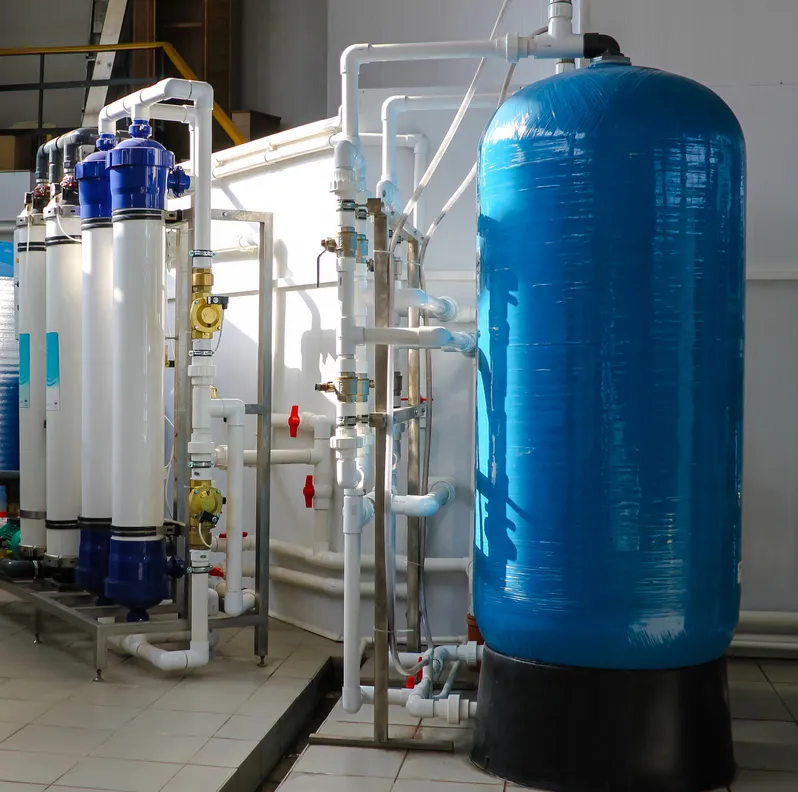
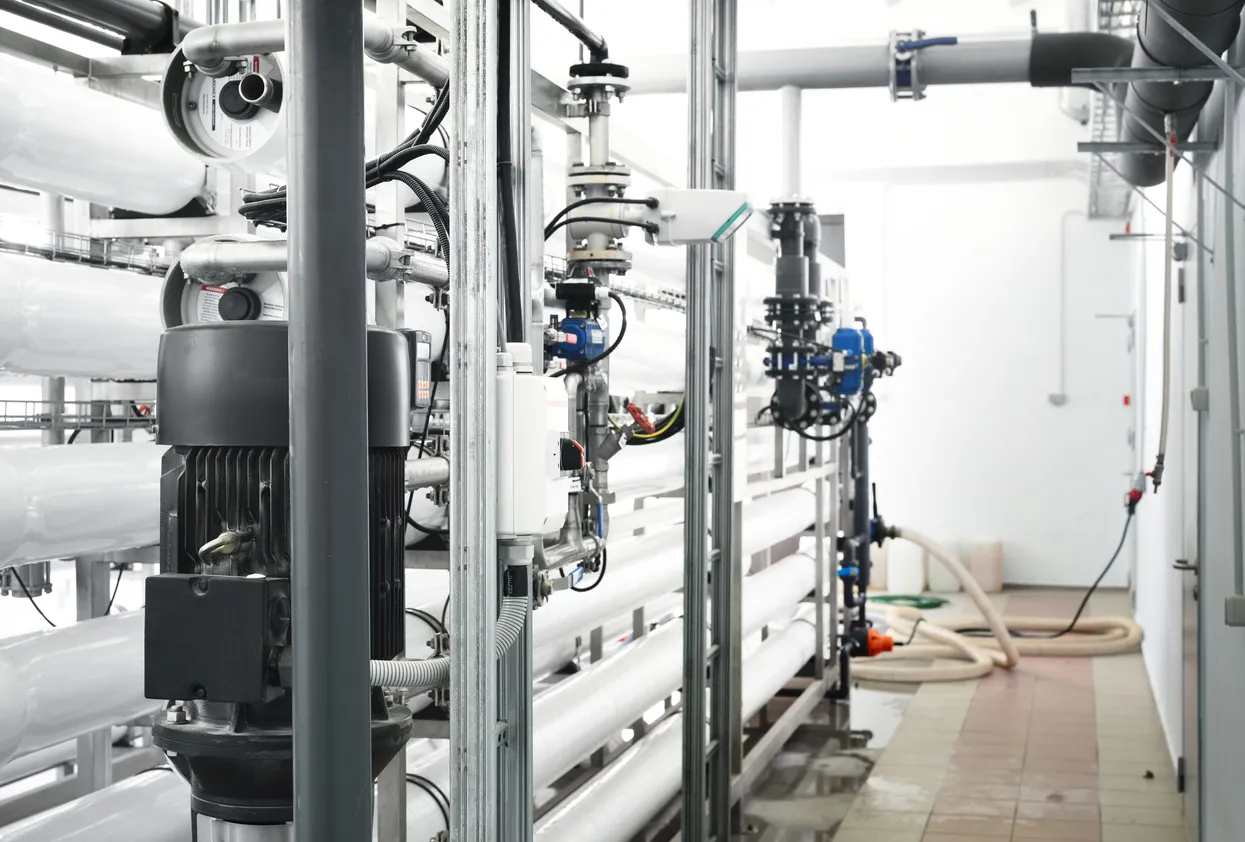
In hotels, water quality affects boilers, laundries, kitchens, ice machines, humidification, cooling equipment, dishwashing, steam generation and general facility reliability. A properly engineered reverse osmosis system reduces dissolved salts before they reach sensitive equipment, supporting predictable operation in high-demand environments where occupancy, laundry load and food service can change every day.
This page is focused on reverse osmosis hoteles applications for hotel properties that require dependable treated water without overcomplicating daily operation. The purpose is not only to remove minerals, but to design a practical treatment train that fits available space, incoming water chemistry, flow demand, storage requirements, distribution pressure, maintenance routines and operational continuity.
A hotel RO project should be evaluated as a facility asset. The best result comes from combining water analysis, pretreatment, membrane selection, automation, instrumentation, storage, sanitization practices and service support. When these elements are aligned, the system can protect equipment, improve process consistency and help maintenance teams control problems before they become guest-facing failures.
What a hotel RO system must solve
Less mineral deposition in heaters, steam lines and washers.
More consistent water for kitchens, laundries and utility rooms.
Reduced fouling-related interruptions when designed correctly.
Accessible components, clear monitoring and maintainable design.
Recommended interlinks for technical review: sistema de ósmosis inversa, ingeniería de ósmosis inversa, servicio de ósmosis inversa and servicios de ósmosis inversa.
Estos productos podrian interesarte
Sección 2
Water quality targets for hotel reverse osmosis
Use this section as a technical decision guide for reverse osmosis hoteles projects in hospitality facilities where water demand, equipment sensitivity and guest-service continuity must be balanced.
A hotel should start any reverse osmosis evaluation with a current water analysis. Conductivity, TDS, hardness, alkalinity, silica, iron, manganese, chlorine, turbidity, microbiological condition and seasonal changes influence whether the RO system will operate reliably. Incoming water that looks clear can still produce scale, membrane fouling, poor boiler cycles or spotting in glassware and fixtures. For hotels, the most relevant question is not only whether RO can reduce salts, but where the permeate will create operational value and where blended water is more practical.
Typical points of use include boiler make-up, laundry feed, dishwashing, ice machines, beverage preparation, humidifiers, spa equipment, cooling system make-up and specialty process areas. Each point can require a different target quality. A kitchen may value taste and low mineral spotting, while a laundry may focus on detergent efficiency and fabric appearance. Boiler rooms may need low hardness and reduced conductivity to improve cycle management. Therefore, the RO design should define target permeate quality, acceptable blending, storage volume, distribution pressure and sanitization strategy before equipment is selected.
The strongest technical approach is to separate water quality goals into measurable indicators: permeate conductivity, percent rejection, normalized flow, differential pressure, recovery, prefilter pressure drop and chlorine control. These indicators help maintenance personnel understand when the system is healthy and when service is required. When the facility has multiple applications, the design can include permeate storage with repressurization, recirculation loops, UV, cartridge polishing or point-of-use filtration depending on hygiene and equipment requirements.
Feedwater analysis
Defines pretreatment, membrane risk and operating limits.
Use-point mapping
Separates boiler, laundry, kitchen and guest-service needs.
Permeate targets
Sets measurable conductivity and quality expectations.
Blending strategy
Avoids overtreatment where partial mineral control is enough.
Sección 3
Engineering criteria that make RO reliable in hotels
Use this section as a technical decision guide for reverse osmosis hoteles projects in hospitality facilities where water demand, equipment sensitivity and guest-service continuity must be balanced.
Engineering defines whether reverse osmosis becomes a dependable utility or a source of operational frustration. A hotel RO system normally requires pretreatment before the membranes: sediment filtration, activated carbon or dechlorination, antiscalant dosing, softening in selected cases, iron removal, pH adjustment or multimedia filtration depending on feedwater chemistry. Hotels often operate with changing flow patterns, so pretreatment must tolerate demand peaks during laundry shifts, kitchen preparation, cleaning schedules and occupancy surges.
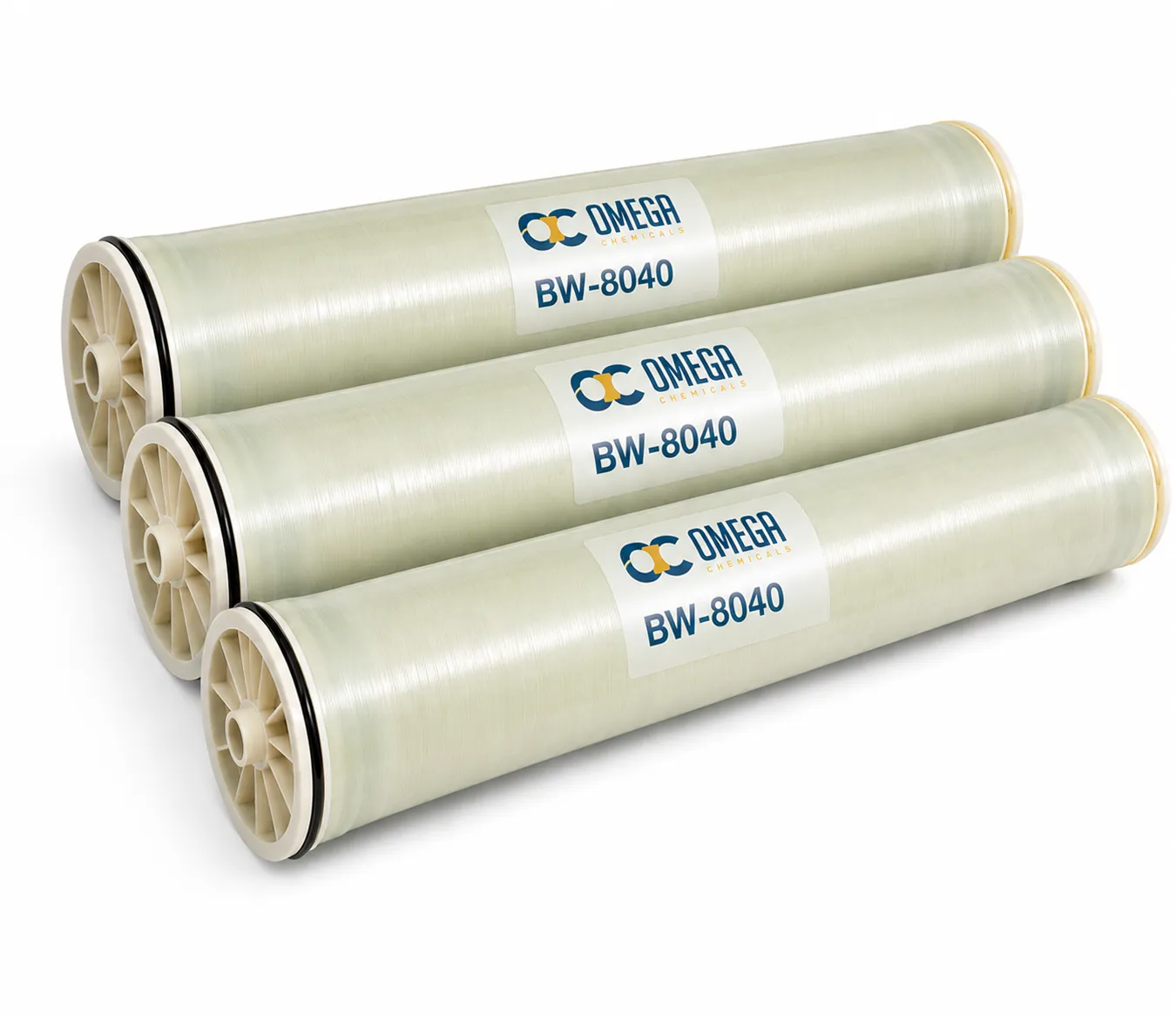
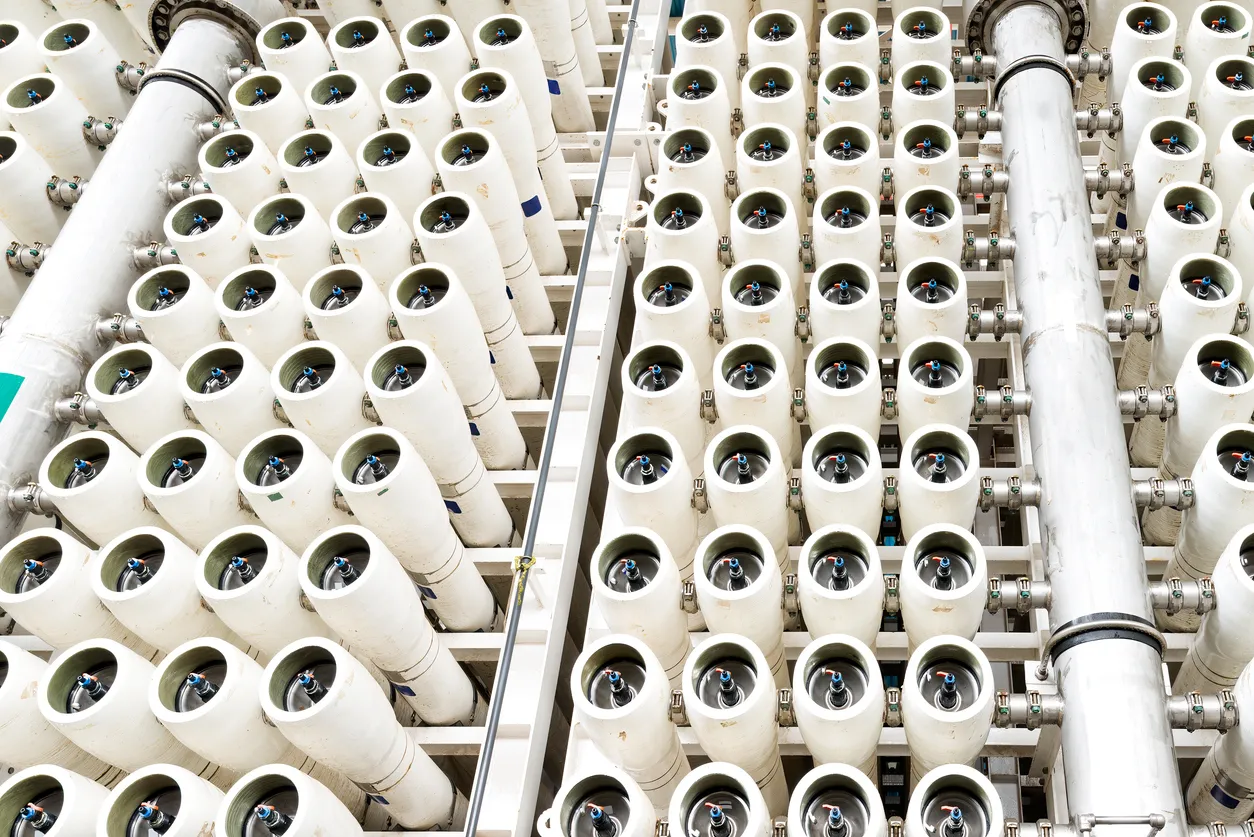
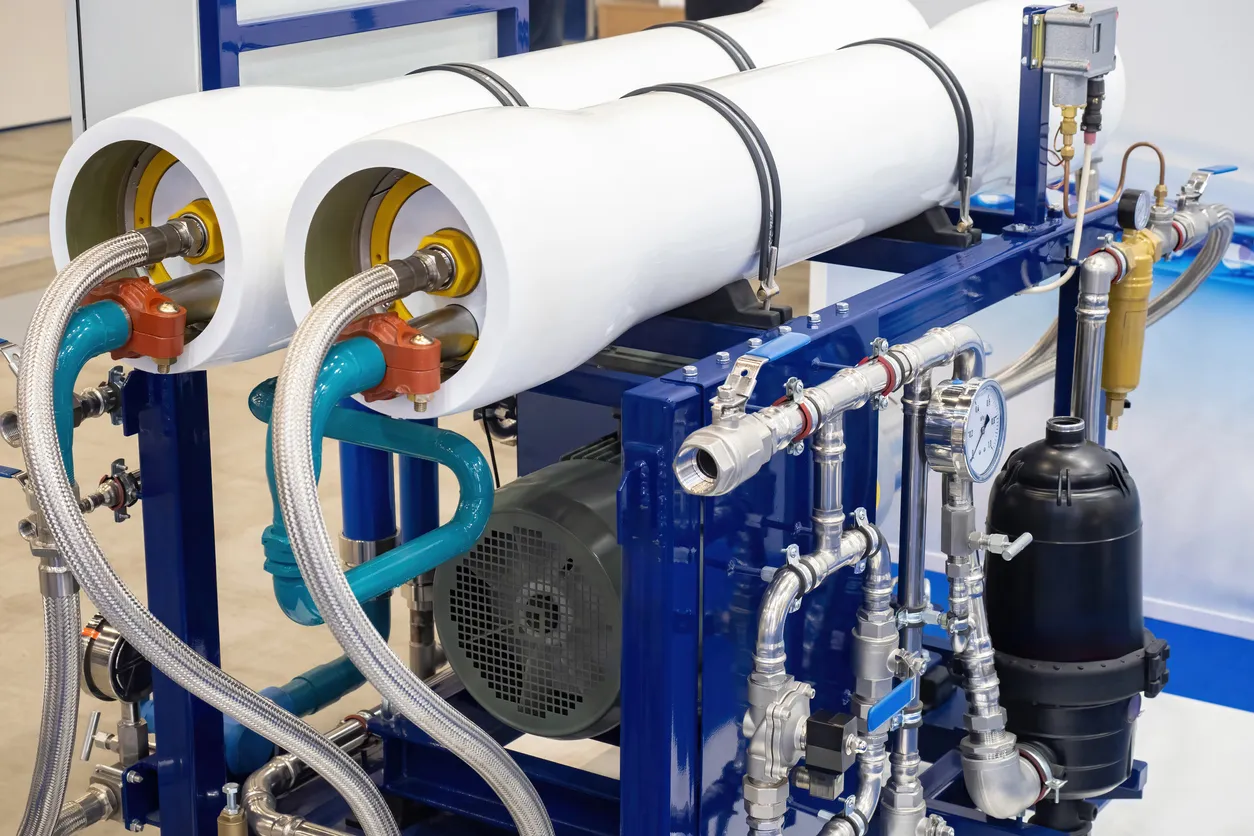
Membrane configuration is selected according to flow rate, recovery, feed salinity, temperature, fouling risk and desired permeate quality. Oversizing without considering velocity can create low-flow zones and biological risk; undersizing can cause high pressure, poor recovery and frequent membrane replacement. A complete design also includes high-pressure pumps, control valves, pressure gauges, conductivity sensors, flow meters, PLC controls, alarms, permeate tank level logic and safe shutdown sequences. These details help protect the equipment and support stable operation.
For procurement teams, it is useful to request a design basis instead of only a price. The design basis should include feedwater assumptions, target permeate quality, estimated recovery, membrane model, pretreatment sequence, instrumentation, materials of construction, operating pressure, cleaning provisions, expected consumables and service scope. This allows an apples-to-apples comparison and avoids selecting a system that looks economical but lacks the instrumentation, pretreatment or maintainability required in a hotel environment.
Interlinks can support evaluation: review a sistema de ósmosis inversa to understand core equipment, compare with ingeniería de ósmosis inversa for project design criteria, and include servicio de ósmosis inversa for maintenance planning.
Pretreatment
Protects membranes from chlorine, particles, iron and scaling.
Controls
Uses levels, alarms and shutdown logic to protect operation.
Instrumentation
Allows trend-based service decisions instead of guesswork.
Design basis
Makes supplier proposals easier to compare.
Sección 4
Operation, monitoring and continuity in hospitality facilities
Use this section as a technical decision guide for reverse osmosis hoteles projects in hospitality facilities where water demand, equipment sensitivity and guest-service continuity must be balanced.
Hotel operations require a different mindset from a single industrial process line. Demand may rise sharply during morning laundry, food preparation, banquet service or high occupancy seasons. The RO system must therefore be integrated with storage capacity, booster pumps and controls that maintain pressure without forcing the membranes to start and stop excessively. Excessive cycling can reduce component life, increase energy use and complicate troubleshooting.
A good operating plan defines who checks the system, what values are recorded, how often filters are changed, when carbon is replaced, what alarms require immediate action and when membrane cleaning should be considered. Operators should monitor feed pressure, concentrate pressure, permeate flow, concentrate flow, conductivity, tank level and prefilter differential pressure. These values can be used to calculate rejection and recovery, while trend history helps identify fouling, scaling, pump wear or valve problems early.
In hotels, continuity is critical because water issues can become visible to guests through laundry quality, stains, odor, poor beverage taste, ice appearance, kitchen equipment scale or inconsistent hot water performance. Reverse osmosis is most valuable when it is connected to preventive routines, spare consumables, service support and emergency bypass planning. A bypass should be designed carefully, because untreated water may protect continuity but can expose equipment to scaling if used for extended periods.
Demand peaks
Accounts for occupancy, laundry and kitchen schedules.
Trend records
Tracks pressure, flow, conductivity and recovery.
Bypass planning
Maintains service while controlling equipment risk.
Consumables
Keeps filters, chemicals and spare parts available.
Sección 5
How to evaluate suppliers and lifecycle value
Use this section as a technical decision guide for reverse osmosis hoteles projects in hospitality facilities where water demand, equipment sensitivity and guest-service continuity must be balanced.
Purchasing a reverse osmosis system for hotels should involve maintenance, operations, purchasing and, when relevant, food and beverage or laundry management. Each area sees a different cost of poor water quality. Maintenance sees scaling, service calls and equipment wear. Laundry sees chemistry consumption, textile quality and machine performance. Food and beverage sees taste, ice quality and equipment reliability. Finance sees downtime, consumables and lifecycle cost. The most useful specification connects all of these outcomes to measurable water targets.
A supplier should be able to explain pretreatment, membrane selection, automation, warranty conditions, replacement parts, cleaning procedure, expected service frequency and commissioning requirements. The proposal should clarify whether installation, start-up, operator training, water analysis, drawings, electrical requirements, piping limits and post-installation monitoring are included. The technical strength of the offer is not measured only by membrane count; it is measured by the ability to keep the hotel operating under real conditions.
For MarketB2B content architecture, internal links help guide the reader toward a complete solution. The page can connect to servicios de ósmosis inversa when the buyer needs suppliers, to ingeniería de ósmosis inversa when the project is being specified, and to servicio de ósmosis inversa when the system already exists and requires optimization, inspection or maintenance.
Scope clarity
Confirms installation, start-up, drawings and training.
Service support
Defines preventive visits and emergency response.
Lifecycle cost
Considers energy, consumables, cleaning and membranes.
Interlinks
Connects buyer intent to technical and service pages.
Heat transfer fluids for data centers, HVAC and industrial applications
Omega Chemicals offers solutions such as DOWFROST™ LC, KOSTChill PG XL, OMEGA DO LC30 and OMEGA DO LC25 for reliable thermal performance in critical applications.
- DOWFROST™ LC for data centers.
- KOSTChill PG XL for HVAC and computing.
- PG fluids for heat transfer.
- OMEGA DO LC30 PG 30 heat transfer fluid.
- OMEGA DO LC25 for industrial engines.
- Guidance in selecting the right product.
Sección 6 · FAQ
Frequently asked questions about reverse osmosis for hotels
These questions help buyers and facility teams evaluate reverse osmosis hoteles projects with a practical technical perspective. The objective is to connect water quality, engineering, operation and purchasing criteria before selecting equipment or requesting a service proposal.
For a more complete technical review, compare the project with a sistema de ósmosis inversa, request criteria from ingeniería de ósmosis inversa, and consider ongoing servicio de ósmosis inversa. Buyers can also explore servicios de ósmosis inversa when comparing suppliers.

Temas que te pueden interesar
Estos productos podrian interesarte