Productos
Segunda mano
Servicios
Reverse osmosis systems for restaurantes


Designed for buyers evaluating reverse osmosis restaurantes applications, utility water stability and process water consistency.
Reliable water quality for restaurant operations that depend on taste, equipment protection and daily consistency.
Restaurants often need more than basic filtration. Beverage stations, ice machines, coffee preparation, steam ovens, dishwashing support, humidification and ingredient preparation can all be affected by dissolved minerals, hardness, chlorine traces, suspended solids and unstable conductivity. A well-engineered reverse osmosis system helps convert variable municipal or well water into a controlled process water stream that supports repeatable service quality.
For decision makers, the value is operational: fewer scaling problems, better consistency in flavor-sensitive applications, more predictable maintenance and a clearer path to standardize multiple sites. The system is not selected only by flow rate; it must be sized around peak demand, storage, pretreatment, membrane protection, sanitary distribution and the quality required by each point of use.
Estos productos podrian interesarte
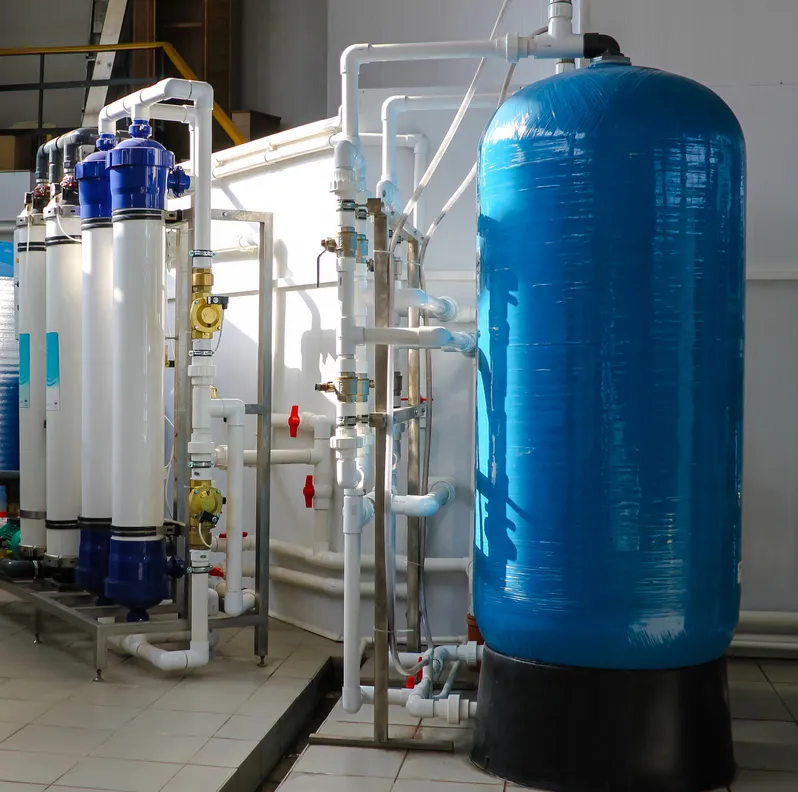


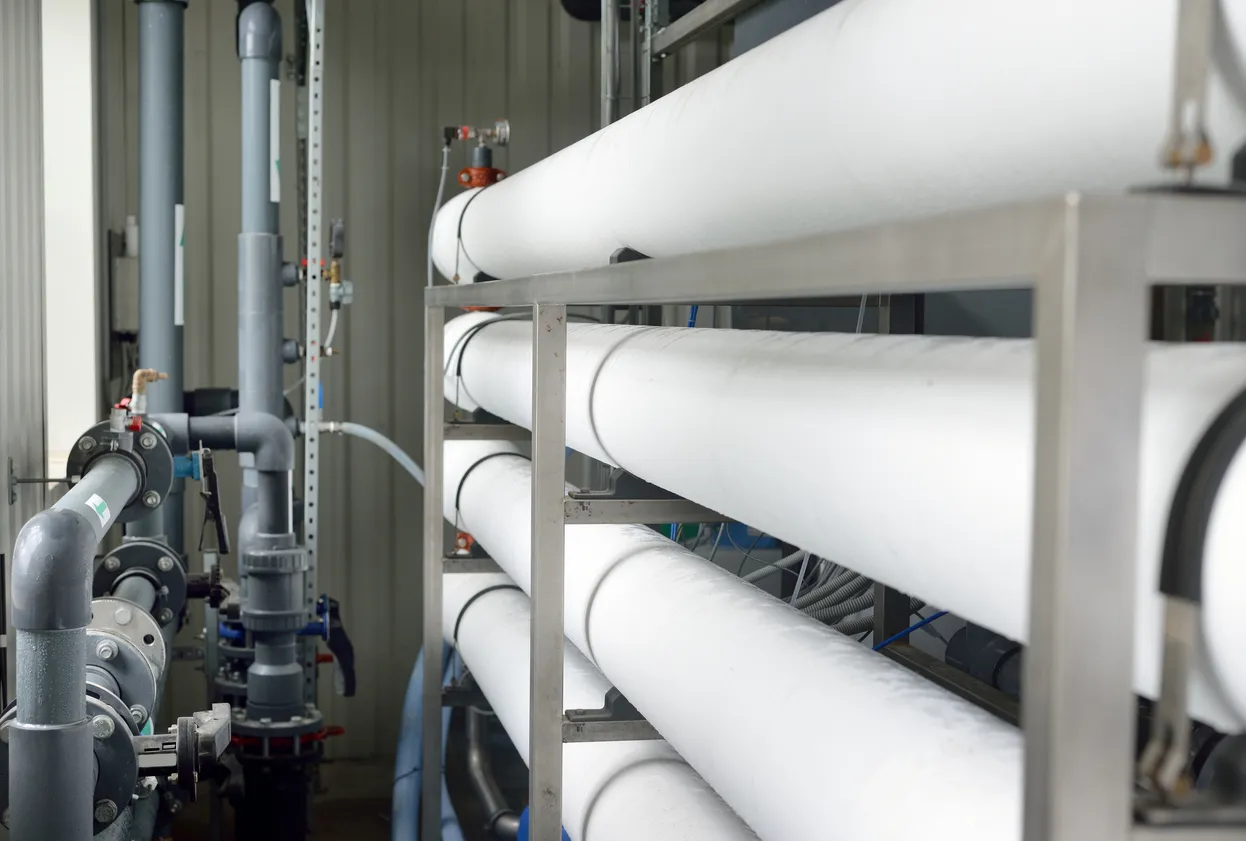
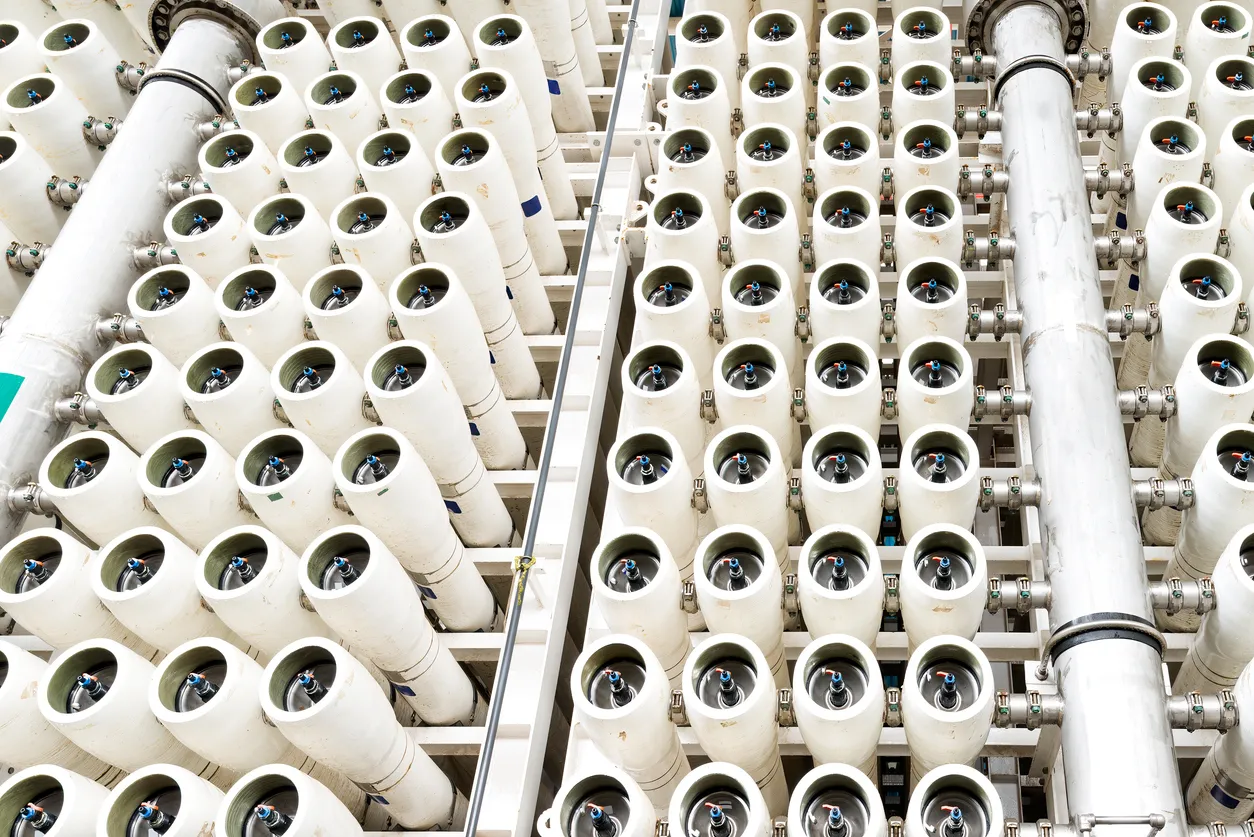
Designed for buyers evaluating reverse osmosis restaurantes applications, utility water stability and process water consistency.
What restaurants should define before selecting reverse osmosis.
A reverse osmosis restaurantes project starts with the real water demand profile. A restaurant may have steady consumption during preparation, sharp peaks during service and intermittent demand from ice machines or beverage equipment. Because RO membranes produce permeate continuously at a defined rate, the design normally combines production capacity with a storage tank and a distribution pump, avoiding undersized systems that cannot recover between peak periods.
The most important technical step is to translate operational needs into water quality targets. Coffee and beverage areas may require controlled mineral content rather than completely demineralized water. Ice machines benefit from reduced hardness and lower total dissolved solids because scaling can affect heat exchange and cube clarity. Dishwashing, steam and cooking applications often need protection from hardness, alkalinity and deposits. For each point of use, the buyer should define expected conductivity, flow, pressure, storage autonomy and post-treatment needs.
Feed water analysis should include TDS, conductivity, pH, hardness, alkalinity, silica, iron, manganese, chlorine, turbidity and microbiological indicators when applicable. This analysis determines membrane selection, pretreatment and cleaning frequency. When water comes from a municipal network, seasonal variation can still affect operation; when water comes from a well, hardness, iron or silica can become the main design driver.
Flavor-sensitive use
Beverages, coffee and ingredient preparation require consistency. RO can reduce variability, while remineralization or blending can be used where some mineral balance is desired.
Equipment protection
Ice machines, steam equipment and hot water applications are exposed to scaling. Lower mineral content helps reduce deposits and maintenance pressure.
Operational sizing
Correct sizing includes production flow, storage volume, recovery, reject handling, pressure stability and available installation space.
Designed for buyers evaluating reverse osmosis restaurantes applications, utility water stability and process water consistency.
System architecture for restaurant water reliability.
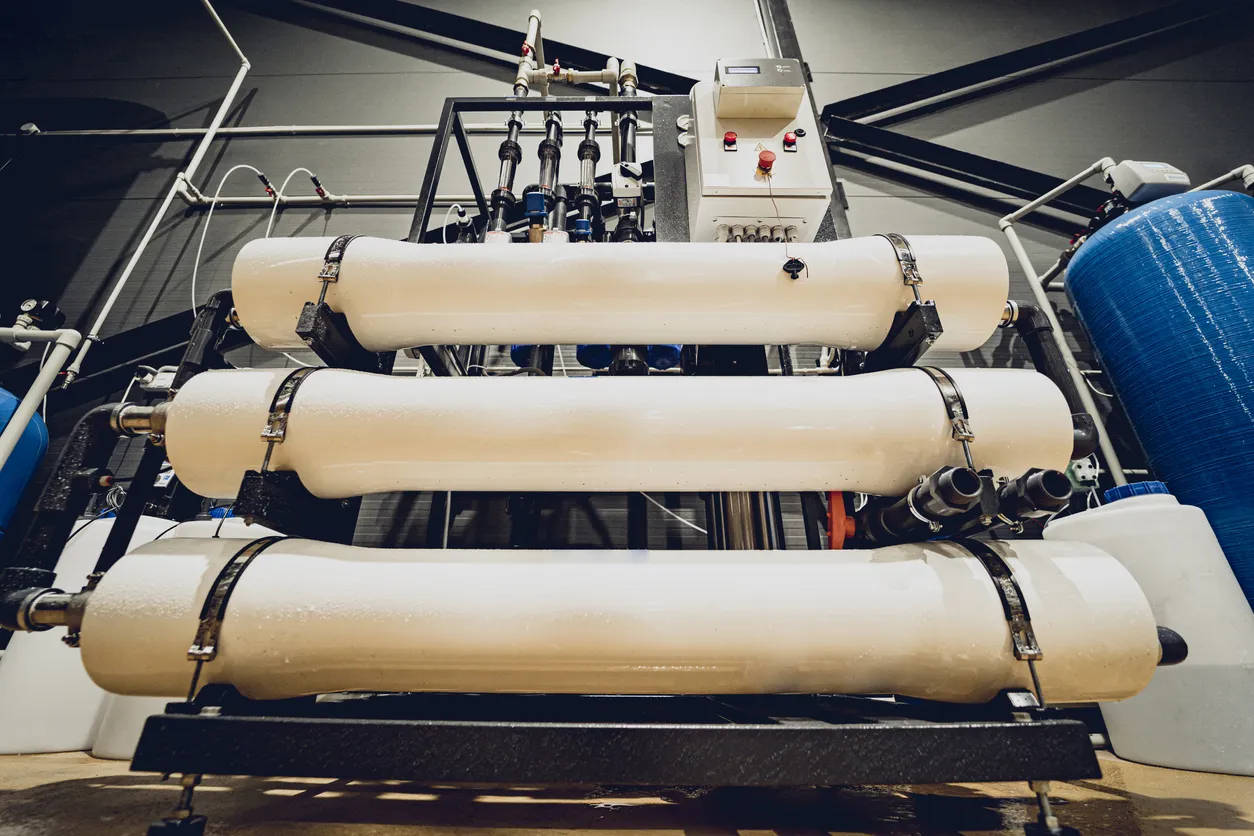
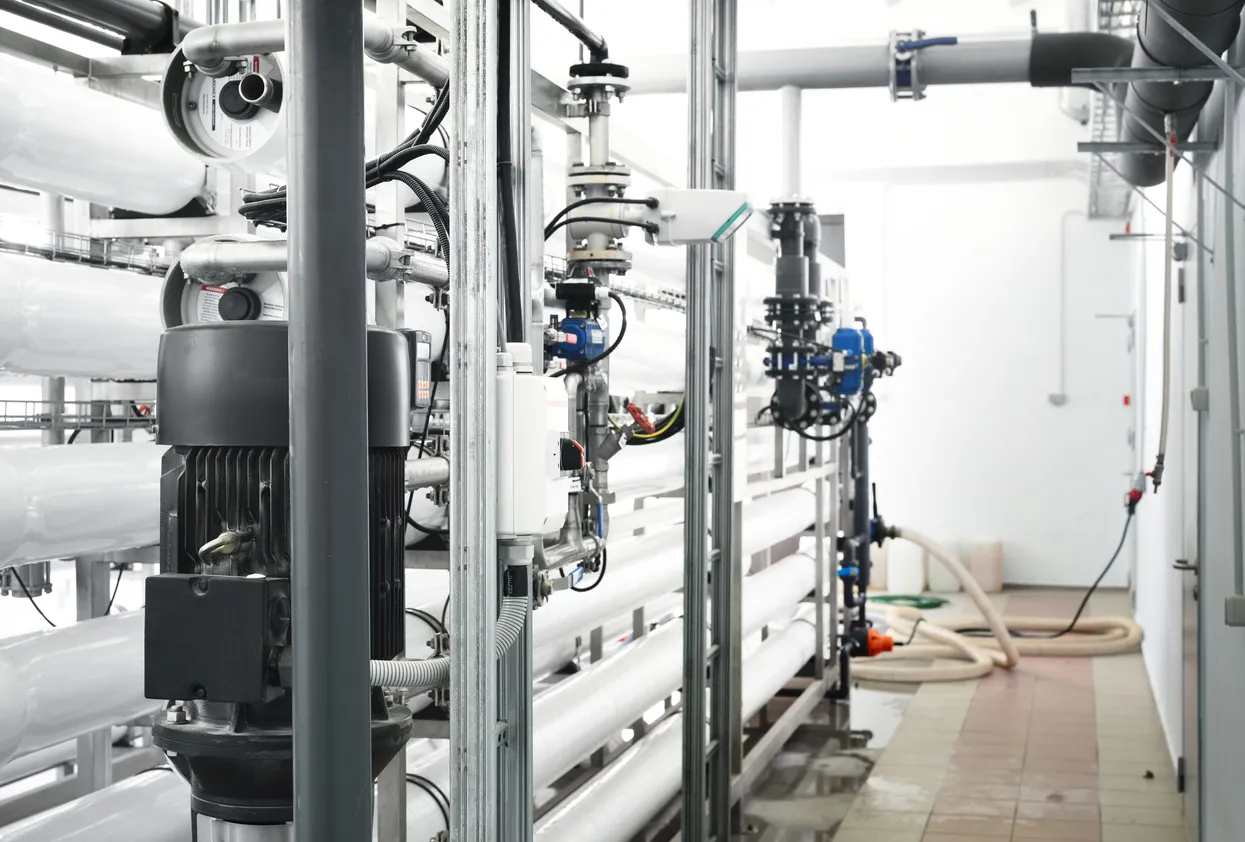
A professional RO design should connect the source water, pretreatment train, membrane system, instrumentation, storage and distribution loop into one controlled arrangement. The buyer should evaluate the complete sistema de ósmosis inversa, not only the membrane skid.
Pretreatment train
Typical configurations include sediment filtration, activated carbon for chlorine reduction, water softening or antiscalant dosing depending on hardness and recovery objectives. Pretreatment protects the RO membranes and stabilizes operation.
Membrane stage
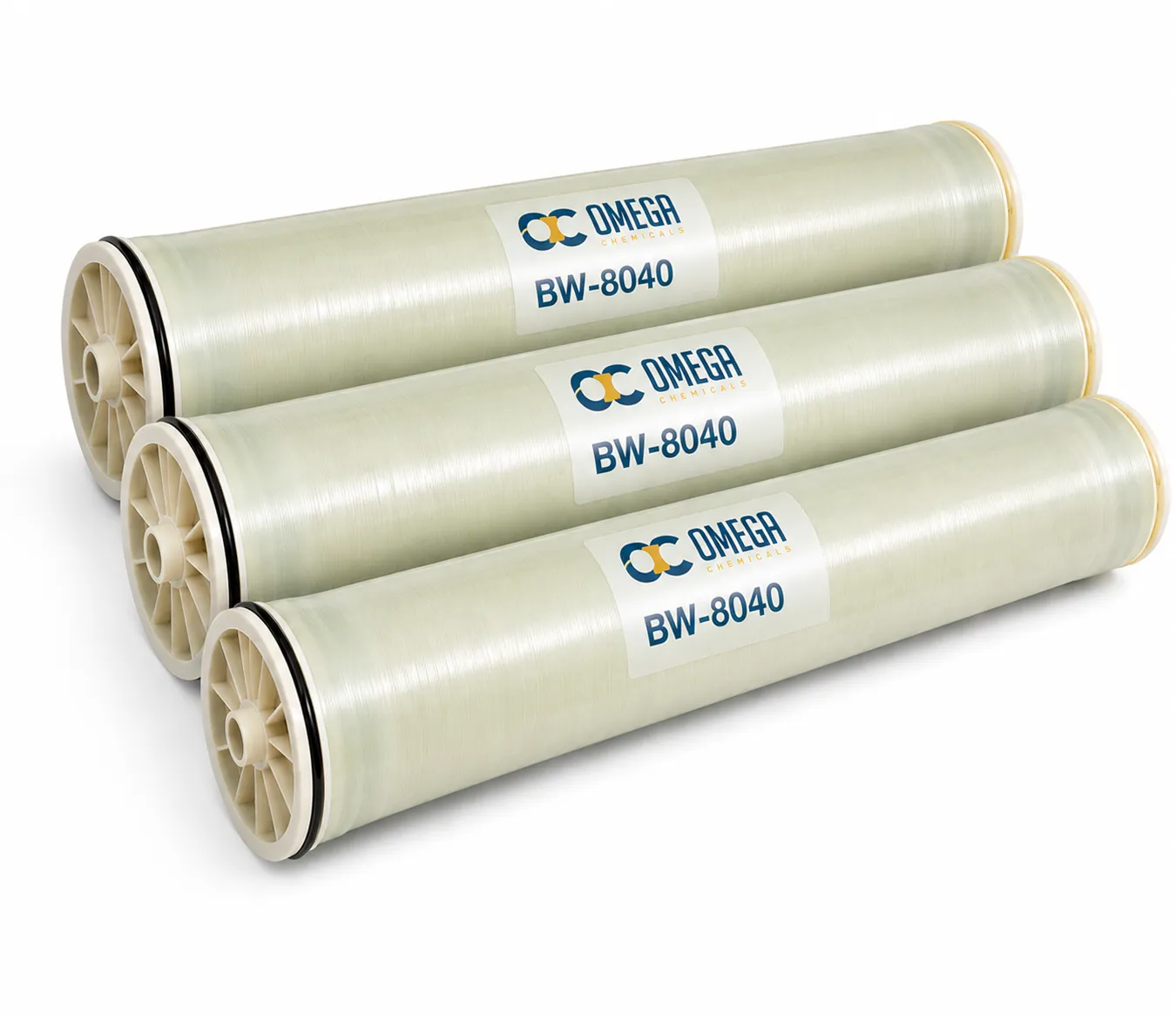
Membrane selection depends on feed salinity, target permeate quality and expected recovery. Restaurants usually prioritize consistent permeate, compact footprint, low noise and simple service access.
Storage and delivery
Permeate tanks should be sized to cover peak demand without excessive residence time. Distribution pumps must provide stable pressure to beverage lines, ice machines or preparation areas.
Post-treatment
Depending on application, the system may include UV, remineralization, polishing filters or sanitary recirculation. These elements help align RO water with the final use.
Why engineering matters
The same nominal RO capacity can perform very differently depending on feed pressure, temperature, pretreatment and controls. Engineering defines whether the system can operate at the required recovery without scaling, whether the storage volume supports demand peaks, and whether maintenance staff can access filters, pumps and valves safely. For larger facilities, commissary kitchens or restaurant chains, ingeniería de ósmosis inversa is valuable because it documents design basis, hydraulic balance, instrumentation, electrical requirements, water quality objectives and commissioning tests.
Design also determines how reject water will be handled. In some restaurants, reject can be routed directly to drain; in larger kitchens, water management may involve reuse evaluation, flow limitation or integration with other utilities. A buyer should also confirm materials of construction, compatibility with cleaning chemicals, protection against dry running, automatic flushing and alarms for low pressure, high conductivity or tank level problems.
Designed for buyers evaluating reverse osmosis restaurantes applications, utility water stability and process water consistency.
Controls, monitoring and maintenance criteria for dependable daily service.
Restaurant environments need simple, repeatable operation. A reverse osmosis system should be easy to inspect, with clear pressure gauges, conductivity readings, filter change indicators and documented maintenance intervals. The objective is to prevent small water quality deviations from becoming service interruptions.
Core monitoring points include feed pressure, prefilter pressure drop, pump discharge pressure, concentrate flow, permeate flow, recovery, permeate conductivity and tank level. These variables reveal whether the system is fouling, scaling, short cycling or operating outside its design window. When a site has multiple shifts or limited technical staff, alarms and simple operating procedures are especially important.
Maintenance is normally based on prefilter replacement, carbon media performance, membrane performance trend, pump inspection, leak checks, cleaning or sanitization and verification of instrumentation. A professional servicio de ósmosis inversa can help establish baselines after startup and identify when performance loss is caused by fouling, scaling, chlorine damage, inadequate pretreatment or changes in feed water.
Daily checks
Verify pressure, visible leaks, tank level, abnormal noise and permeate availability before peak service.
Weekly trends
Record conductivity, flow and pressure drop. Trend data helps detect early fouling or filter exhaustion.
Service intervals
Replace cartridges and maintain carbon or softening systems based on water quality, volume and pressure drop.
Performance review
Compare current rejection and production against baseline after startup or membrane cleaning.
Good operation also includes staff training. Operators should know which valves must remain open, what alarms mean, how to isolate the system, and when to call for technical service. Poor practices such as bypassing pretreatment, ignoring chlorine breakthrough, operating with clogged prefilters or allowing tanks to remain stagnant can reduce membrane life and compromise water quality. Documentation should include a flow diagram, spare parts list, maintenance log and recommended consumables.
Designed for buyers evaluating reverse osmosis restaurantes applications, utility water stability and process water consistency.
How to compare solutions beyond price.
The lowest initial price may not deliver the best operational result. Restaurants should compare design basis, water quality target, pretreatment scope, service access, warranty conditions, spare parts availability, installation requirements and support model.
A complete proposal for reverse osmosis restaurantes should state feed water assumptions, permeate capacity, recovery, membrane type, number of membranes, pressure requirements, electrical load, pretreatment equipment, tank volume, pump capacity, instrumentation and expected maintenance. It should also explain limitations: temperature affects production, feed water variation affects recovery, and certain applications may require post-treatment. Buyers can review specialized options through servicios ósmosis inversa when they need installation, diagnostics, maintenance or support.
For a restaurant chain, standardization is often as important as water quality. Using similar equipment, spare parts and maintenance routines across sites reduces training time and helps purchasing teams control consumables. For a single restaurant, compact footprint, low noise, easy filter access and reliable local service may be the deciding factors. For a central kitchen, higher capacity, redundancy, monitoring and sanitary distribution become more relevant.
Technical questions to ask
- What feed water analysis was used for sizing?
- What permeate quality is expected at normal operating temperature?
- How much storage is included for peak demand?
- Which pretreatment components protect the membranes?
- How will conductivity, pressure and flow be monitored?
Commercial and service questions
- Are installation and startup included?
- What consumables will be required during the first year?
- Is local technical support available for emergency service?
- Are spare parts standard and easy to source?
- Does the supplier provide operating logs and maintenance guidance?
Decision summary
A strong RO proposal aligns quality, capacity and service. The system should improve consistency without creating unnecessary complexity for restaurant staff. When properly designed, reverse osmosis can support beverage quality, ice production, equipment protection and process water stability. The best purchase decision is made by evaluating total installed value, not only equipment cost, and by confirming that the supplier understands the operating rhythm of food service environments.
Heat transfer fluids for data centers, HVAC and industrial applications
Omega Chemicals offers solutions such as DOWFROST™ LC, KOSTChill PG XL, OMEGA DO LC30 and OMEGA DO LC25 for reliable thermal performance in critical applications.
- DOWFROST™ LC for data centers.
- KOSTChill PG XL for HVAC and computing.
- PG fluids for heat transfer.
- OMEGA DO LC30 PG 30 heat transfer fluid.
- OMEGA DO LC25 for industrial engines.
- Guidance in selecting the right product.
Designed for buyers evaluating reverse osmosis restaurantes applications, utility water stability and process water consistency.
Frequently asked questions about reverse osmosis restaurantes.
This section summarizes common decision points for restaurant owners, facility managers, purchasing teams and technical personnel evaluating RO systems for food service environments. The objective is to clarify design, operation and maintenance expectations before purchase.
Although every project should be confirmed with a water analysis and demand profile, these answers help define the conversation with suppliers and avoid selecting a system only by nominal capacity.
Final technical note
For restaurants, reverse osmosis should be evaluated as part of the whole water system: source quality, pretreatment, membrane performance, tank hygiene, distribution pressure, user demand and maintenance capacity. A correct design helps stabilize quality and protect equipment, while poor sizing or incomplete pretreatment can create recurring service issues. Before purchase, request a proposal that explains assumptions, expected permeate quality, consumables and service responsibilities.
Temas que te pueden interesar
Estos productos podrian interesarte