Productos
Segunda mano
Servicios
Reverse osmosis systems for hemodiálisis


Reverse osmosis engineered for reliable hemodialysis water support
In hemodiálisis environments, water quality is not a secondary utility; it is part of the clinical infrastructure that supports patient treatment, equipment protection and predictable operation. A properly specified reverse osmosis system helps reduce dissolved salts, hardness, chlorine-related risk, particulate load and operational variability before water reaches downstream storage, distribution loops or polishing stages.
This page is designed for facilities, maintenance teams, purchasing departments and engineering groups evaluating reverse osmosis hemodiálisis applications. The focus is not only on buying equipment, but on understanding how pretreatment, membrane selection, monitoring, sanitization strategy, redundancy and service support influence long-term performance. For a healthcare site, the best system is the one that can be documented, maintained, monitored and adapted to the real feed water profile.
What a buyer should evaluate first
A hemodialysis-oriented reverse osmosis project should begin with feed-water analysis, target permeate quality, daily demand, peak flow, storage philosophy, disinfection method and redundancy expectations. These inputs define whether the project needs a compact skid, duplex equipment, integrated pretreatment, remote monitoring or a more robust service agreement.
- Raw water conductivity, hardness, chlorine/chloramine and microbiological control strategy.
- Required permeate flow according to treatment stations and operating schedule.
- Compatibility with tanks, distribution loop, sanitization and point-of-use expectations.
- Alarm philosophy for conductivity, pressure, tank level and low-flow conditions.
Estos productos podrian interesarte
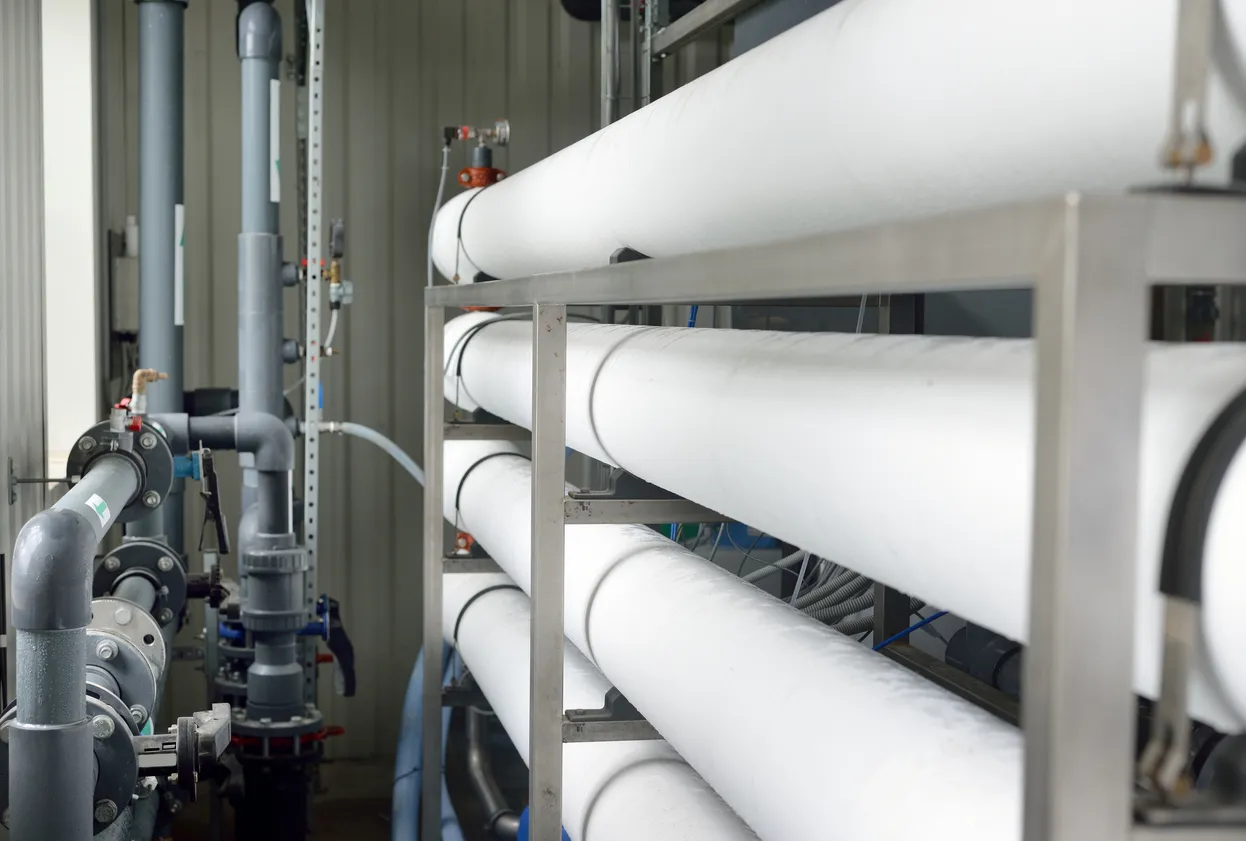
Water-quality targets start with the real risk profile of the facility
Reverse osmosis for hemodiálisis should be evaluated as a complete treatment train, not as an isolated membrane skid. The feed water may contain hardness, silica, dissolved salts, iron, manganese, chlorine, chloramines, organic load, turbidity and seasonal variations that affect membrane life and permeate stability. Before choosing capacity or brand, the project should define how each contaminant will be controlled and where it will be measured.
The first engineering step is a current laboratory analysis of the incoming water. Conductivity and TDS give a quick picture of dissolved load, but they are not enough. Hardness drives scaling risk, chlorine and oxidants affect polyamide membranes, iron and manganese can create fouling, and microbiological control affects downstream storage and distribution. A facility that only sizes by flow can end up with a system that produces enough water but requires excessive cleaning, has unstable rejection or cannot be defended during internal review.
Critical feed-water inputs
Recommended data include pH, conductivity, TDS, hardness, alkalinity, silica, chlorides, sulfates, iron, manganese, free chlorine, chloramines, turbidity, SDI when available and historical variation between dry and rainy seasons. These parameters guide pretreatment and chemical selection.
Permeate expectations
Permeate quality must be aligned with clinical equipment, internal procedures, storage design and distribution-loop expectations. The system should include instruments that allow operators to confirm quality trends, not only a one-time acceptance test.
For buyers comparing options, it is useful to request a process proposal that explains why each component is included: multimedia or cartridge filtration, softening or antiscalant, carbon filtration, dechlorination, high-pressure pump, membranes, permeate monitoring, recirculation, storage and sanitization accessories. This avoids under-specified projects that look attractive at purchase but become expensive in operation.
A robust design connects pretreatment, membranes, controls and service access
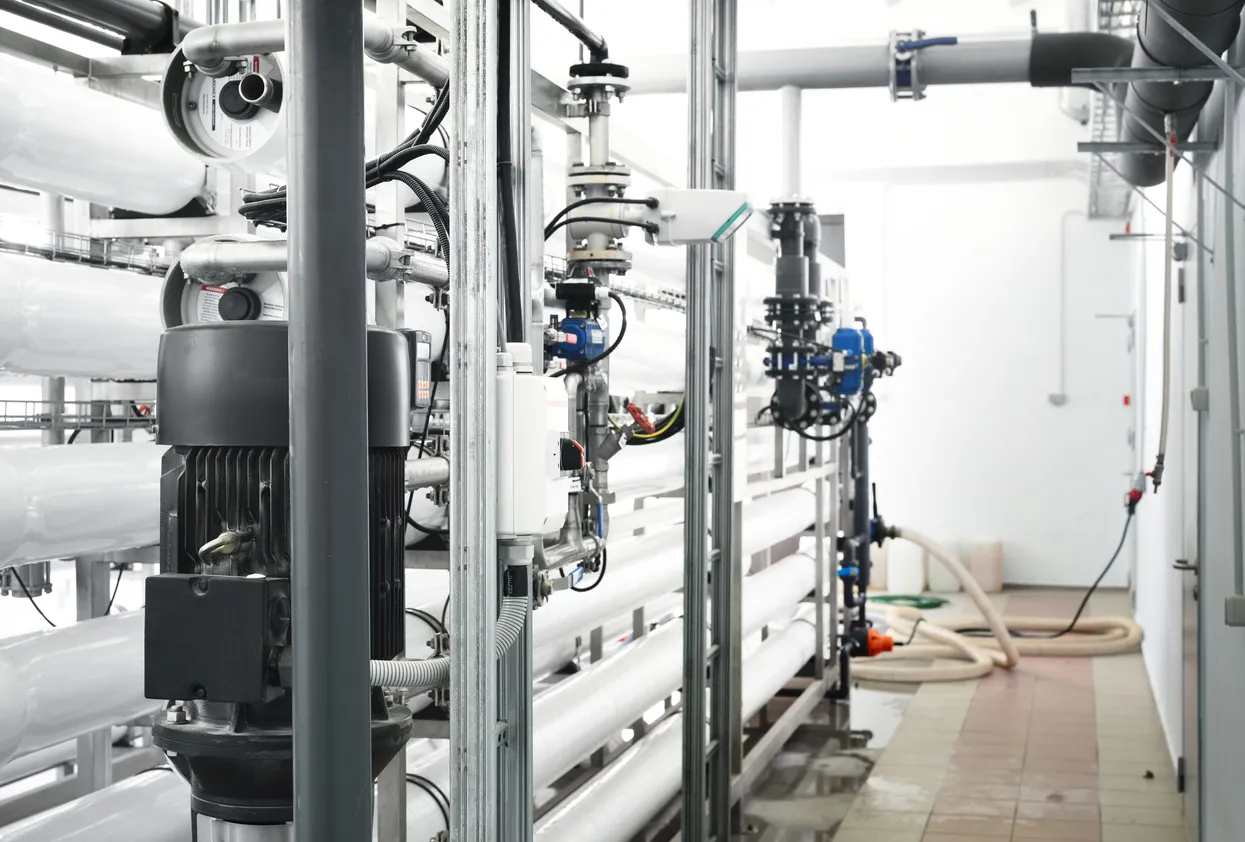
The engineering of a reverse osmosis system for hemodiálisis depends on more than nominal gallons per day. The system should be configured around continuous availability, predictable permeate quality and ease of maintenance. In many facilities, the most expensive failure is not membrane replacement; it is the interruption caused by insufficient redundancy, limited spare parts, unclear alarms or poor service access.
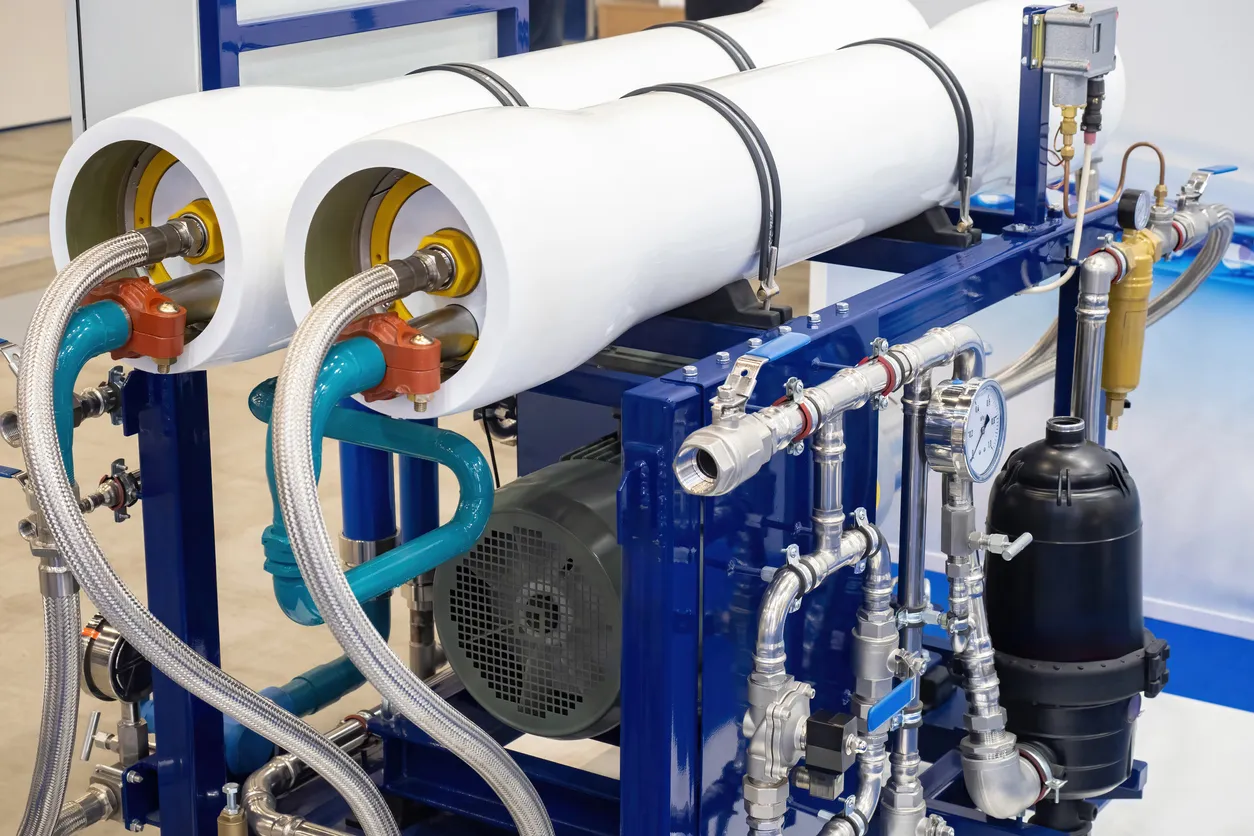
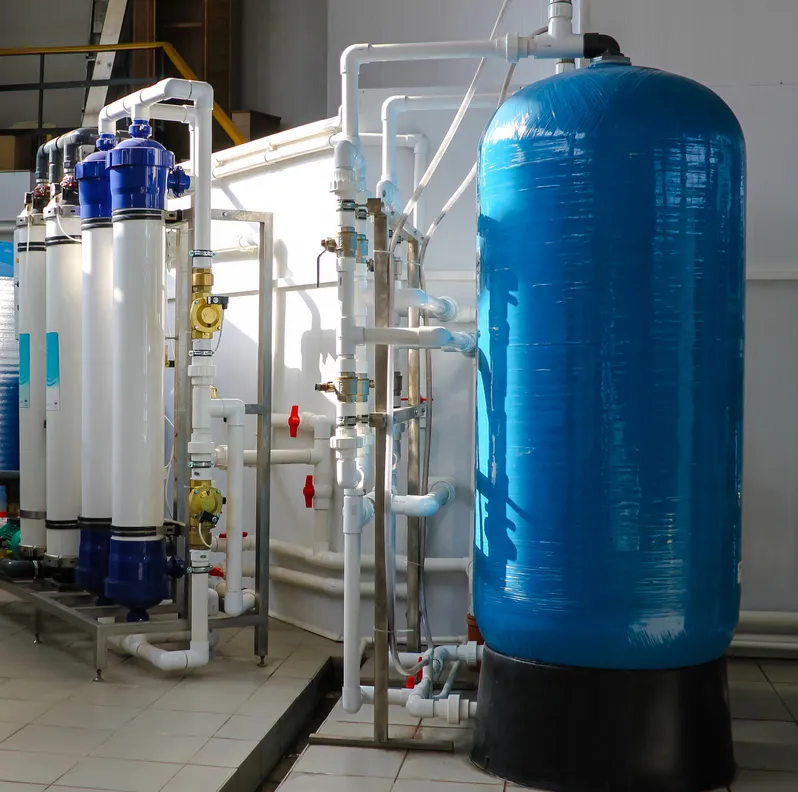
A complete sistema de ósmosis inversa should be reviewed through the full hydraulic path. Feed pressure must be stable enough for pretreatment. Carbon filtration or other dechlorination strategy must protect the membranes. Cartridge filtration must prevent suspended solids from reaching the high-pressure stage. The RO skid must include pressure gauges, flow meters and conductivity monitoring so trends can be normalized and compared over time.
| Design area | Purpose in hemodialysis applications | What to verify before purchase |
|---|---|---|
| Pretreatment | Reduces scaling, oxidant attack and particulate fouling before the membrane stage. | Feed-water analysis, carbon capacity, softening or antiscalant logic, cartridge rating and bypass strategy. |
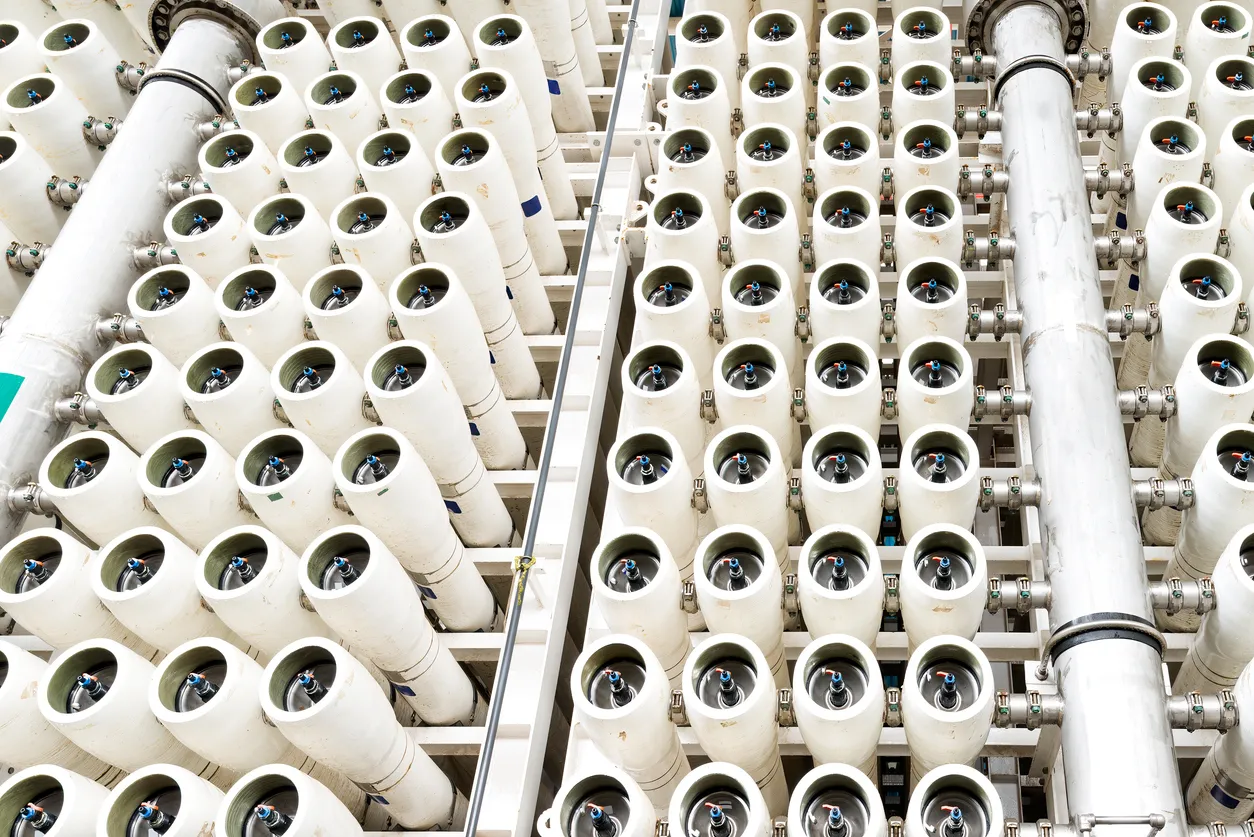
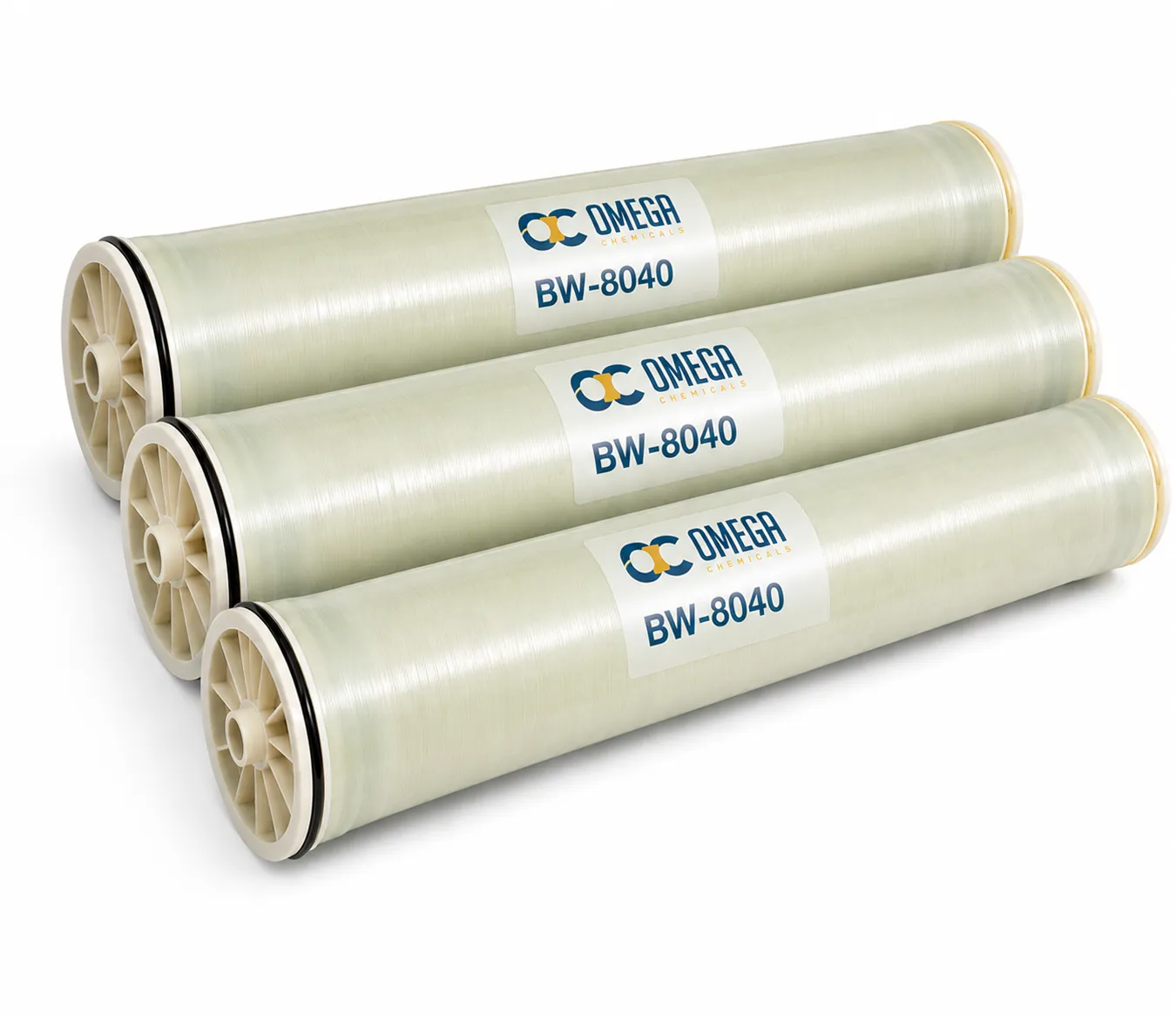
| RO skid | Produces permeate with reduced dissolved salts and stable quality under defined operating conditions. | Membrane model, vessel arrangement, recovery, pump material, instruments and design flow at expected temperature. |
| Controls | Allows safe operation, alarms, interlocks and trend visibility for maintenance decisions. | Conductivity alarms, pressure switches, tank-level logic, flush cycles, data logging and remote monitoring options. |
| Sanitization | Supports hygiene management in tanks, lines and components compatible with selected disinfection methods. | Material compatibility, drain points, recirculation capability, procedure documentation and service frequency. |
The best proposals explain operating assumptions. Membrane production changes with temperature, feed salinity and pressure, so a system quoted only at ideal conditions may not provide enough permeate during colder months or peak demand. Recovery rate should also be reasonable; forcing high recovery in scaling waters can increase cleaning frequency and reduce membrane life. Engineering must balance water savings with reliability.
Professional ingeniería de ósmosis inversa should also define installation details: feed tank or direct feed, drain capacity, electrical supply, sanitary routing, ventilation, chemical storage, sample valves, floor space and future expansion. These details are especially important in healthcare facilities where equipment rooms may have limited access and where maintenance windows must be planned.
Daily operation should be based on measurable indicators, not guesswork
Once the system is installed, performance must be tracked through routine measurements. Operators should record feed conductivity, permeate conductivity, concentrate flow, permeate flow, feed pressure, differential pressure, recovery, temperature and alarm events. These data show whether the system is stable or whether scaling, fouling, membrane damage or pretreatment exhaustion is developing.
For hemodiálisis applications, operational discipline is a key differentiator between a basic RO installation and a dependable water system. A sudden increase in permeate conductivity can indicate membrane damage, seal failure or bypass. A gradual drop in permeate flow can indicate fouling, low temperature, pressure loss or cartridge blockage. Rising differential pressure can point to particulate accumulation. Each symptom should have a defined response, because improvisation increases risk and downtime.
Monitoring routine
Use daily logs and trend reviews. Even simple instruments become powerful when readings are recorded consistently and compared against baseline values after startup or membrane replacement.
Preventive maintenance
Replace cartridges, verify carbon performance, inspect pumps, check instruments, review alarms, clean when normalized performance indicates fouling and keep spare parts available.
Service support
A specialized servicio de ósmosis inversa helps diagnose deviations, plan maintenance and recover performance before quality or continuity is affected.
Remote monitoring can be valuable when facilities operate multiple shifts or when technical personnel are not always in the equipment room. Conductivity, tank level, pump status, pressure alarms and production trends can be integrated into dashboards or notifications. The objective is not to replace maintenance, but to detect abnormal behavior early and reduce response time.
Sanitization strategy should be discussed from the beginning. Some installations require thermal, chemical or periodic disinfection approaches depending on equipment compatibility and internal procedures. Tanks and distribution loops should be designed to avoid stagnation, dead legs and difficult-to-clean sections. When the RO is part of a broader water system, responsibilities between the RO supplier, clinical equipment provider and facility maintenance team should be clearly documented.
How to compare reverse osmosis proposals for hemodialysis use
When comparing suppliers, price should not be reviewed without scope. Two proposals may both mention reverse osmosis, but one may include complete pretreatment, instrumentation, documentation and startup support while another may only include the membrane skid. For hemodiálisis, scope clarity is essential because missing components can affect quality, serviceability and operating cost.
A strong technical proposal should include feed-water assumptions, projected permeate quality, design recovery, membrane configuration, pretreatment sizing, control philosophy, materials of construction, utility requirements, recommended maintenance, consumables list and warranty conditions. It should also explain what is excluded, such as civil works, piping, electrical installation, storage tank, loop sanitization or third-party validation.
Questions for the supplier
- What feed-water data were used for the design?
- What happens if feed conductivity or temperature changes?
- How are chlorine or chloramines controlled before the membranes?
- Which alarms stop the system and which only notify operators?
- What consumables and service intervals should be budgeted?
Red flags in quotations
- No raw-water analysis requirement.
- Capacity quoted without temperature correction.
- No pretreatment explanation.
- No conductivity monitoring or unclear alarm strategy.
- No maintenance plan, spare-parts list or startup documentation.
MarketB2B can help buyers compare technical alternatives through the category of servicios de ósmosis inversa. For a hemodialysis-related application, the most useful request includes feed-water analysis, required flow, number of stations or demand points, operating hours, storage needs, available space and current problems if the facility already has an RO system.
A final decision should consider lifecycle cost, not only initial purchase. Consumables, cleaning, membranes, service visits, downtime, energy use, water recovery and operator time all contribute to the real cost of ownership. In critical applications, a more complete system may be more economical if it reduces emergency service, premature membrane replacement and interruptions.
Heat transfer fluids for data centers, HVAC and industrial applications
Omega Chemicals offers solutions such as DOWFROST™ LC, KOSTChill PG XL, OMEGA DO LC30 and OMEGA DO LC25 for reliable thermal performance in critical applications.
- DOWFROST™ LC for data centers.
- KOSTChill PG XL for HVAC and computing.
- PG fluids for heat transfer.
- OMEGA DO LC30 PG 30 heat transfer fluid.
- OMEGA DO LC25 for industrial engines.
- Guidance in selecting the right product.
FAQ: reverse osmosis for hemodiálisis
Is a standard industrial RO enough for hemodialysis-related water?
Not necessarily. A standard RO may reduce dissolved salts, but hemodiálisis applications usually require a more carefully documented design, compatible pretreatment, defined monitoring points, reliable disinfection strategy and clear service procedures. The complete water system should be evaluated according to the facility's clinical equipment, operating schedule and internal quality requirements.
What information is needed to quote the system correctly?
The supplier should receive raw-water analysis, desired permeate quality, required flow, number of treatment stations or demand points, operating hours, available space, electrical supply, storage requirements and any existing problems. This allows the design to include suitable pretreatment, membranes, pumps, controls and maintenance recommendations.
Why is pretreatment so important?
Pretreatment protects the membranes and stabilizes operation. Hardness can cause scale, oxidants can damage polyamide membranes, suspended solids can create fouling and iron or manganese can reduce performance. Without correct pretreatment, an RO system may initially work but require frequent cleaning or membrane replacement.
Which variables should be monitored?
Common operating variables include feed pressure, permeate pressure, concentrate pressure, permeate flow, concentrate flow, recovery percentage, feed conductivity, permeate conductivity, temperature, tank level and alarm history. Tracking these readings helps identify deviations before they become failures.
Can the system be configured with redundancy?
Yes. Depending on the criticality of the facility, the design may include duty/standby pumps, duplex RO skids, bypass planning, spare membranes, additional instrumentation and remote alarms. Redundancy should be specified during engineering because retrofitting it later can be more expensive and disruptive.
How often should maintenance be performed?
Frequency depends on feed-water quality, operating hours, pretreatment design and internal procedures. Typical activities include cartridge replacement, carbon verification, instrument calibration, leak inspection, performance normalization, sanitization support and membrane cleaning when indicators show fouling or scaling.
Temas que te pueden interesar
Estos productos podrian interesarte