Productos
Segunda mano
Servicios
Reverse osmosis systems for refresqueras


Reverse osmosis for refresqueras with stable water quality for every batch
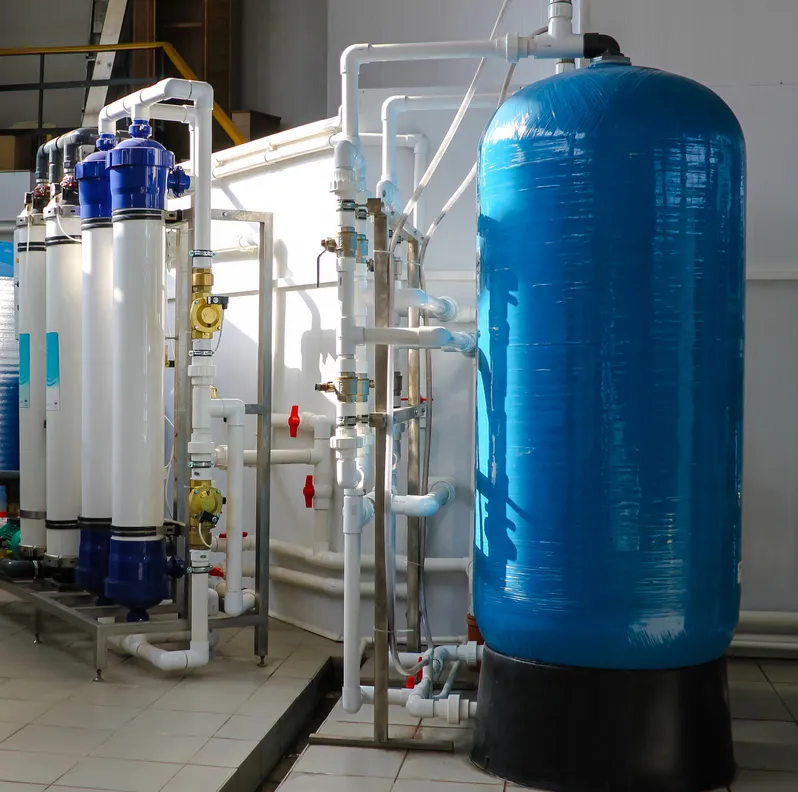
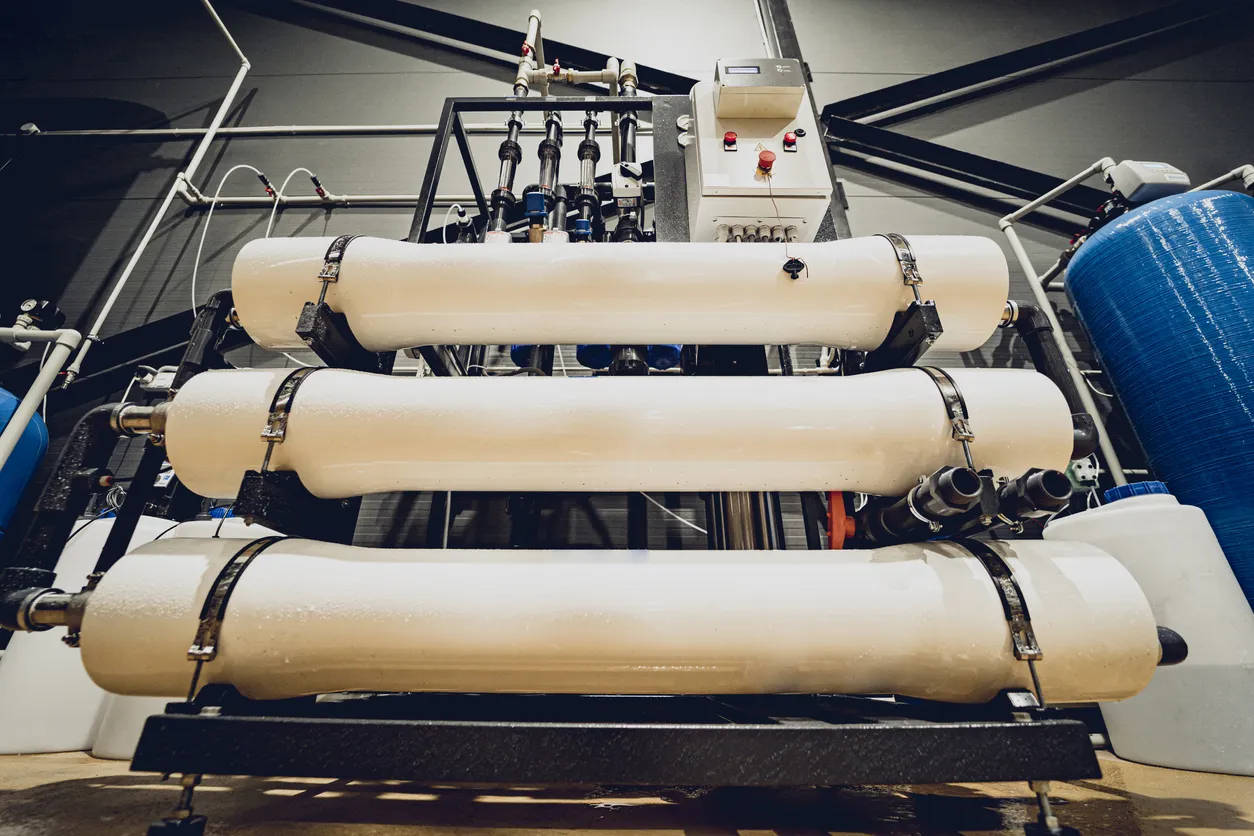
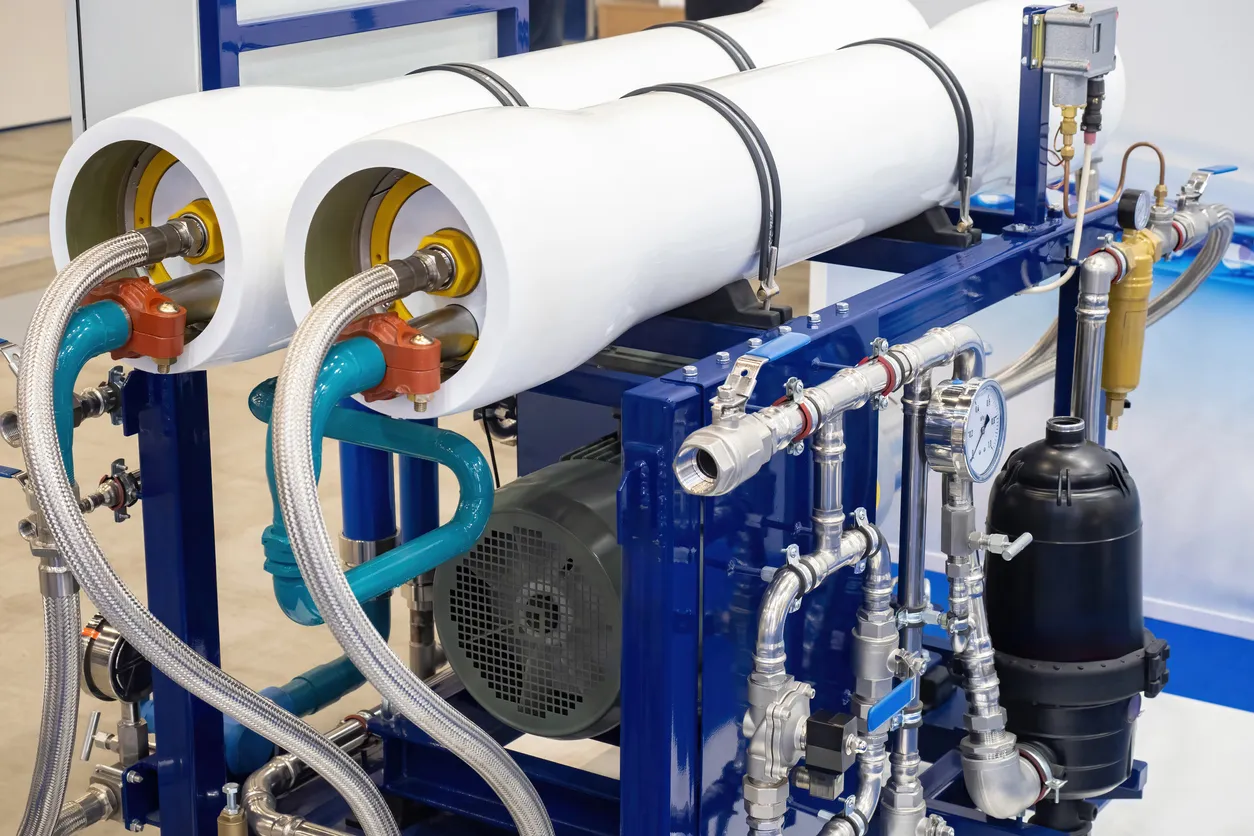
A refresquera depends on consistent water composition to protect flavor, carbonation behavior, syrup dilution, rinse quality and process repeatability. In this context, reverse osmosis refresqueras is not only a treatment stage; it is an operational platform that helps control dissolved salts, hardness, alkalinity, silica, chlorides and variations that can affect product uniformity. A properly engineered reverse osmosis system supports beverage plants that need reliable permeate for blending, bottle washing support, utilities, ingredient preparation and auxiliary services.
The commercial value comes from turning variable feed water into a controlled resource. When a plant evaluates sistema de ósmosis inversa options, the decision should consider production demand, feed-water seasonality, sanitation routines, membrane protection, automation, recovery targets and long-term serviceability. The objective is not simply to install equipment; the objective is to keep production lines supplied with stable water while reducing operational surprises.
Consistent taste profile
Helps reduce mineral variability that can interfere with beverage formulation and sensory consistency.
Process stability
Supports continuous operation for production, rinsing, mixing and utility water requirements.
Technical scalability
Can be configured for present flow demand and future expansions in bottling capacity.
For refresqueras, the best RO proposal should connect engineering, pretreatment, instrumentation, operation and support under one practical design. It should explain how water quality will be achieved, how membranes will be protected, what monitoring points will be available and how the plant can respond to changes in demand. This approach gives purchasing, maintenance, quality and production teams a common technical basis for evaluating investment, reliability and risk.
What the system should control
- ✓ Conductivity and total dissolved solids for formulation repeatability.
- ✓ Hardness and alkalinity to reduce scaling tendencies.
- ✓ Chlorine exposure through pretreatment to protect membranes.
- ✓ Flow, pressure, recovery and permeate quality under real operating loads.
- ✓ Service access for sanitation, cartridge changes, membrane cleaning and troubleshooting.
A strong RO design for refresqueras translates water treatment into predictable production support, improved control and clearer maintenance planning.
Estos productos podrian interesarte
Water-quality objectives for beverage production
In refresqueras, water is an ingredient, a process medium and a utility. Reverse osmosis must therefore be evaluated from the perspective of product quality and plant availability.
For reverse osmosis refresqueras, the first technical question is not the equipment model but the quality objective. Beverage plants may need permeate for syrup rooms, batching, carbonated product blending, bottle or container rinsing, boiler make-up support, cooling systems, CIP preparation or general process use. Each use can have different requirements for conductivity, microbiological control, hardness, alkalinity, silica, chloride and organics. A responsible design begins by separating critical water points from non-critical services and by defining what quality must be delivered at each point.
The feed water should be characterized with laboratory data and operating history. A single analysis is useful, but seasonal changes can be more important in plants supplied by wells, municipal networks or mixed sources. Conductivity, TDS, pH, temperature, turbidity, iron, manganese, hardness, alkalinity, silica, sulfate and residual chlorine help determine pretreatment and membrane selection. If the plant has known taste issues, scaling incidents, microbial concerns or frequent cartridge replacement, those observations should be part of the design basis.
Reverse osmosis removes a high percentage of dissolved salts, but its performance depends on pretreatment and operating discipline. For refresqueras, activated carbon, multimedia filtration, softening, antiscalant dosing, cartridge filtration, UV, sanitary storage or post-treatment may be required depending on the application. The final train should be selected to protect membranes and to keep permeate stable during production peaks. The design also has to consider how treated water will be stored and distributed, because poor storage design can compromise the quality achieved by the RO unit.
Conductivity
Used as a fast indicator of permeate stability and membrane rejection behavior.
Hardness
Controlled to reduce scaling in membranes, heat exchange surfaces and process equipment.
Alkalinity
Important for flavor balance, carbonation behavior and downstream treatment needs.
A good water-quality strategy does not oversimplify RO as a black box. It explains the required influent limits, expected permeate range, monitoring points, alarm thresholds and corrective actions. This helps quality, maintenance and production teams use the system as a controlled process rather than as isolated equipment.
Engineering criteria for RO systems in refresqueras
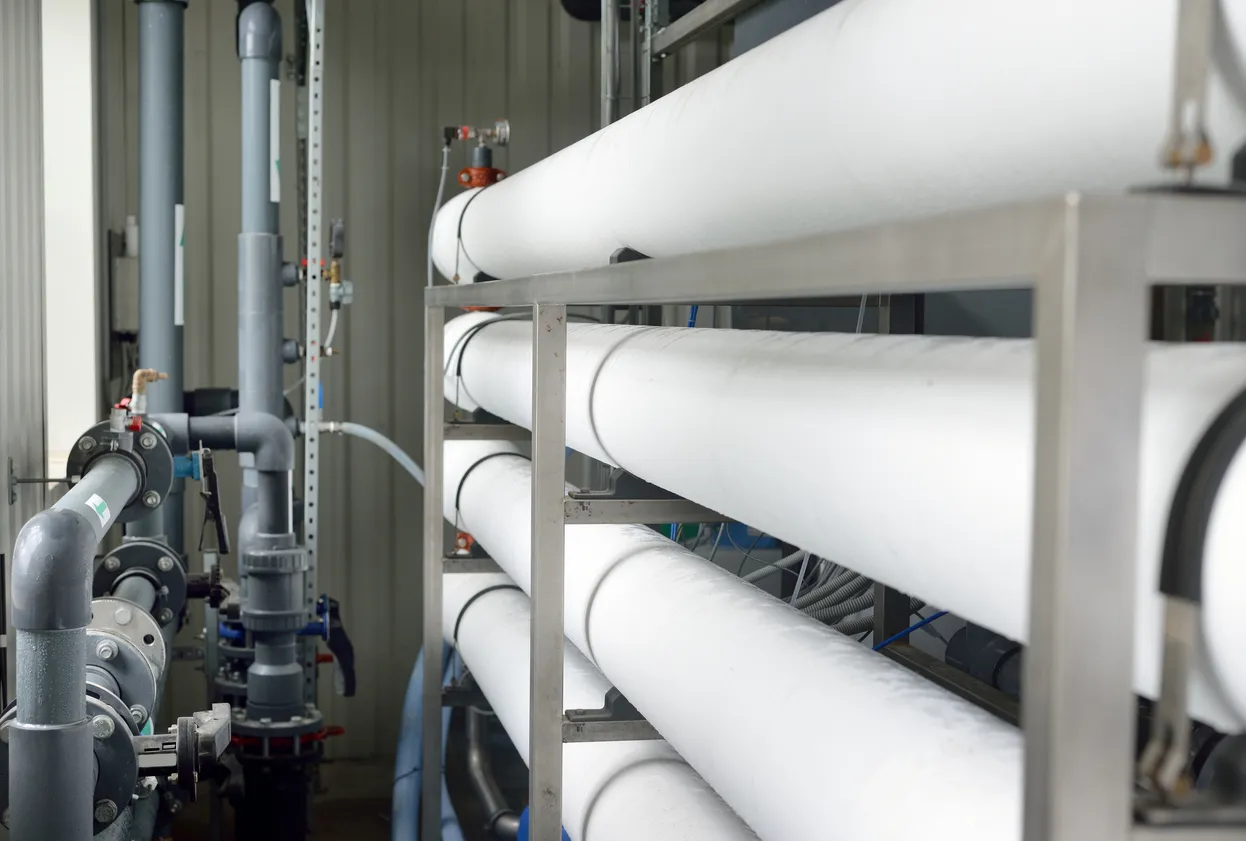
The engineering phase defines flow, recovery, membrane array, pretreatment, automation, sanitation access and the operating envelope that will keep the plant supplied.
When evaluating ingeniería de ósmosis inversa, the design must translate production demand into hydraulic and quality requirements. Flow should be calculated from peak consumption, storage volume, batch schedules, cleaning cycles, downtime tolerance and future growth. A system that only matches average flow may fail during simultaneous production and sanitation events. A system that is oversized without correct controls may cycle inefficiently, create stagnant conditions or increase cost without improving reliability.
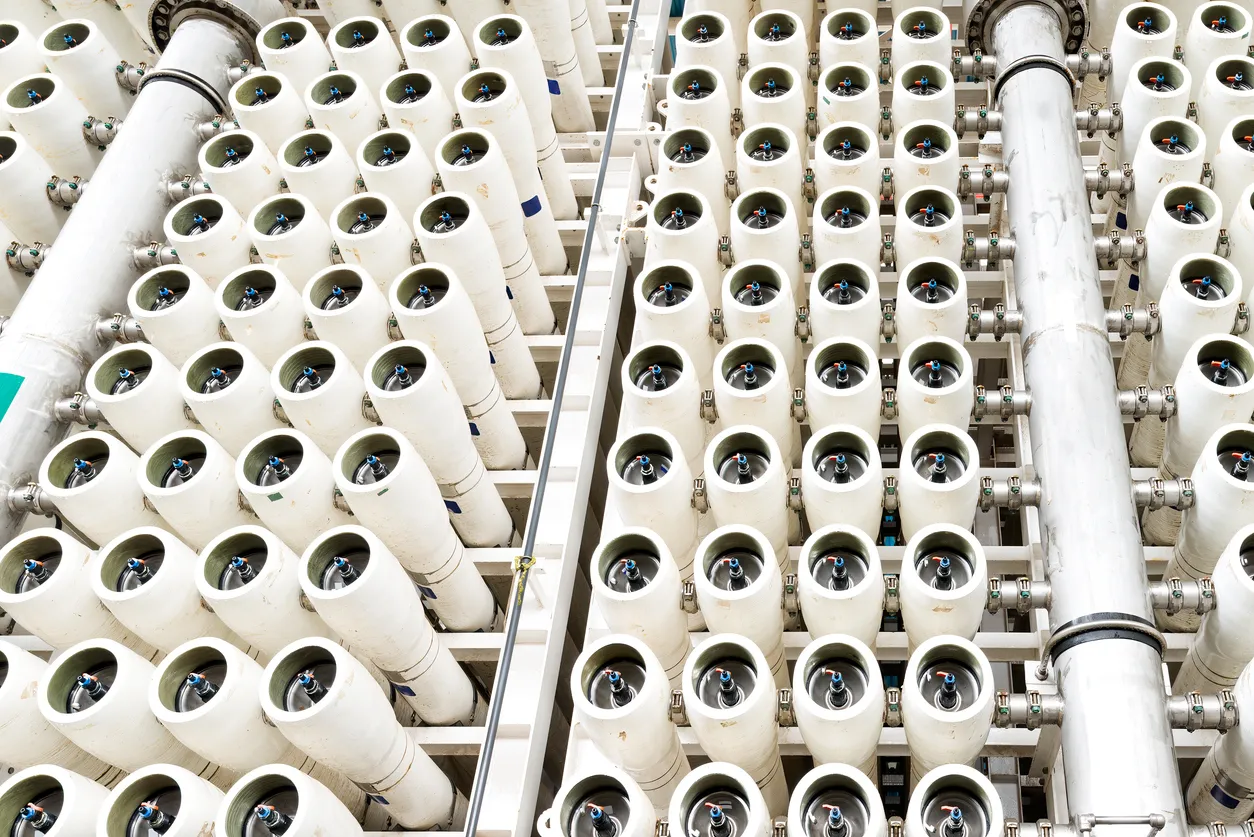
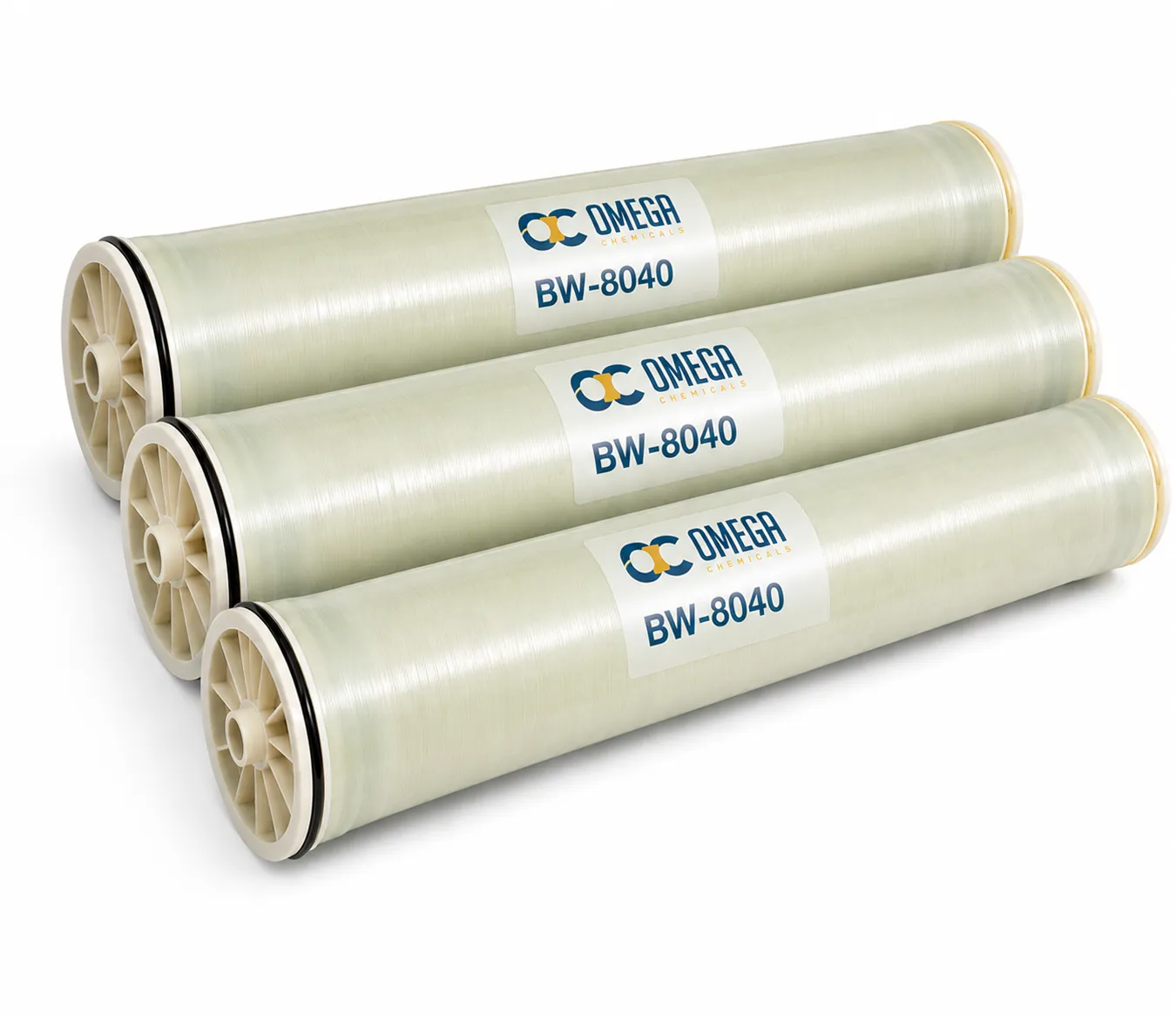
Membrane selection must match the feed water and permeate objective. Brackish-water RO membranes are common for industrial applications, but the specific membrane model, pressure requirement, recovery target and rejection profile should be selected based on water chemistry. Recovery must be realistic: pushing recovery too high can increase scaling risk, shorten membrane life and create unstable operation. For beverage plants, stable permeate quality is usually more valuable than an aggressive recovery number that increases service incidents.
Pretreatment is a decisive part of the system. Chlorine removal is critical because many RO membranes are sensitive to oxidants. Suspended solids and colloids must be controlled to reduce fouling. Hardness and silica may require antiscalant dosing, softening or adjusted recovery. Iron and manganese can create deposits if not handled correctly. Cartridge filtration should be positioned and monitored as a final barrier before the high-pressure pump, not as a substitute for complete pretreatment.
Instrumentation should include enough information to operate the system intelligently: feed pressure, prefilter differential pressure, pump discharge pressure, concentrate pressure, permeate flow, concentrate flow, conductivity, temperature and tank levels. Depending on plant requirements, online ORP, pH, turbidity or chlorine monitoring may also be useful. Automation should protect the system with interlocks, flush sequences, tank controls, alarms and clear operating states. The goal is to make deviations visible before they become production interruptions.
Design basis
Define feed analysis, product water target, flow profile, storage strategy and operating hours.
Membrane configuration
Select array, pressure, recovery and cleaning provisions based on scaling and fouling risk.
Pretreatment train
Protect the membranes from solids, oxidants, hardness, iron, organics and microbiological load.
Control philosophy
Include alarms, shutdowns, flushing and data points that support reliable plant operation.
Operation, sanitation and continuity of supply
The RO system must fit the operating rhythm of a beverage facility, including production peaks, cleaning windows, tank turnover and maintenance access.
Operation in refresqueras is demanding because water demand can change quickly. Production schedules, flavor changes, line rinses, CIP events, utility consumption and tank levels affect how the RO system behaves. A properly configured system should maintain stable permeate flow and quality while avoiding excessive starts, pressure shocks or operation outside the recommended envelope. Operators should have clear setpoints, alarm meanings and response procedures.
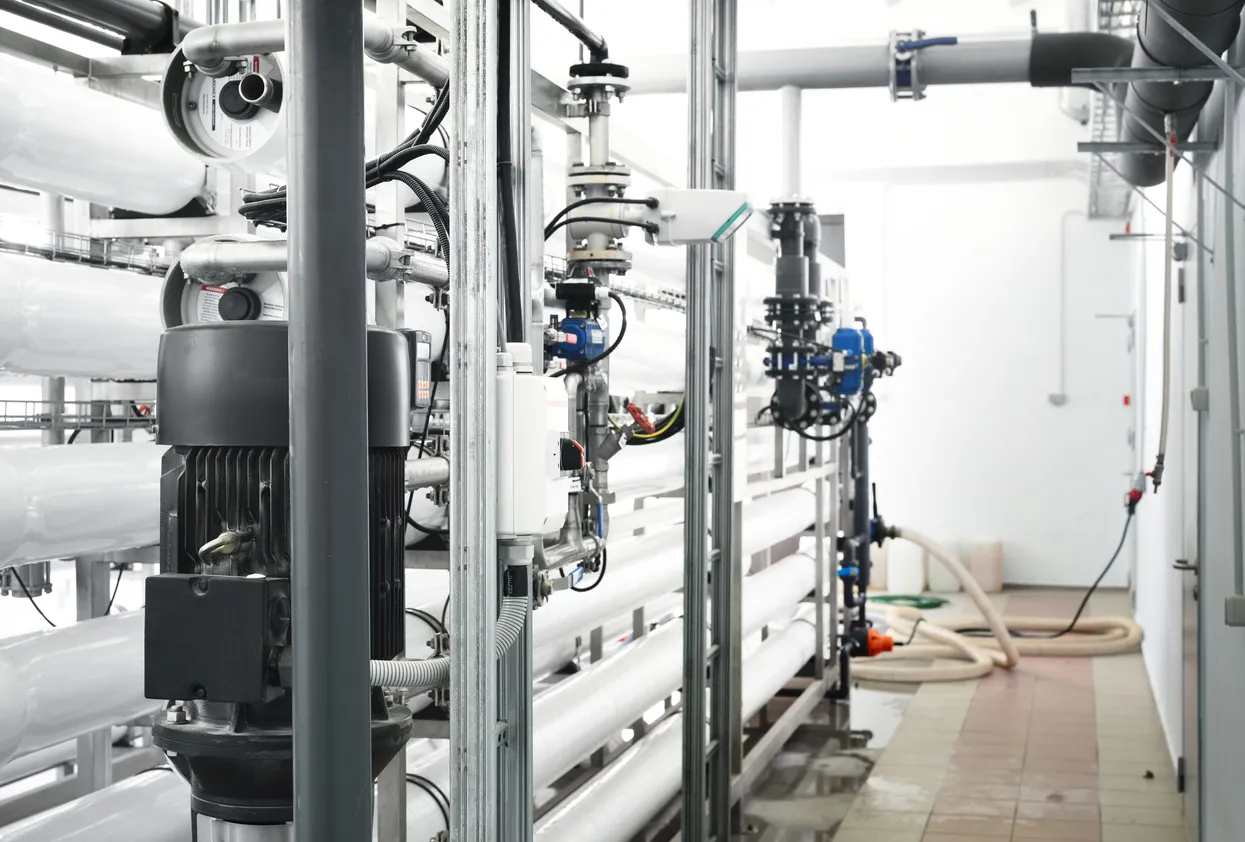
Sanitation strategy is especially important in beverage environments. RO permeate may require hygienic storage, controlled recirculation, UV treatment, vent filtration, periodic sanitization or distribution-loop management depending on the plant standard. The RO skid itself should allow safe access for cartridge changes, membrane cleaning, instrument calibration and inspection. If chemical cleaning is expected, the system should include proper connections or a compatible CIP arrangement to reduce downtime and improve cleaning effectiveness.
Maintenance planning should be based on indicators rather than only on calendar dates. Normalized permeate flow, salt passage, differential pressure, feed temperature and conductivity trends help identify fouling, scaling or membrane damage. Cartridge differential pressure can indicate pretreatment loading. Sudden conductivity increases may suggest membrane or seal issues. Gradual pressure increase may indicate fouling. With a defined monitoring routine, the plant can schedule service before water quality or production continuity is affected.
Support services matter because industrial RO is not a one-time purchase. Plants benefit from providers that can evaluate operation, review data, recommend cleaning, replace membranes, calibrate instruments and update the system when production conditions change. A dedicated servicio de ósmosis inversa helps connect field conditions with corrective actions, reducing trial-and-error decisions.
| Operating variable | Why it matters | Typical decision supported |
|---|---|---|
| Permeate conductivity | Indicates rejection stability and product-water consistency. | Quality release, alarm response, membrane inspection. |
| Differential pressure | Shows fouling or plugging tendencies across pretreatment and membranes. | Cartridge change, cleaning schedule, pretreatment review. |
| Flow and recovery | Confirms whether the unit is operating within the intended hydraulic balance. | Valve adjustment, pump review, scaling risk control. |
| Feed temperature | Affects membrane flux and must be considered when interpreting flow. | Normalization, seasonal adjustment, performance evaluation. |
Operational continuity is achieved when the system is designed for the plant, operated with discipline and supported with service practices that identify deviations early.
How to compare suppliers and technical proposals
A purchasing decision should compare performance assumptions, service scope, operating costs and the supplier’s ability to support real production conditions.
When comparing servicios de ósmosis inversa, refresqueras should request more than a price and nominal flow. A complete proposal should include feed-water assumptions, expected permeate quality, recovery, membrane model, pump specification, pretreatment scope, instrumentation list, automation features, materials of construction, electrical requirements, installation considerations and service recommendations. The proposal should make clear what is included, what depends on site conditions and what should be validated during commissioning.
Technical credibility can be evaluated by reviewing whether the provider discusses scaling risk, chlorine control, fouling tendency, cleaning provisions and monitoring. If the proposal does not explain how membranes will be protected, the apparent savings may become higher operating cost later. If the proposal does not account for peak demand and storage, production may experience shortages. If the proposal lacks instrumentation, troubleshooting becomes slower and more expensive.
Total cost of ownership includes consumables, membrane life, energy use, cleaning chemicals, downtime, service visits, spare parts and operator workload. In beverage plants, the cost of unstable water quality may be higher than the cost of robust design. For that reason, the best option is usually the one that balances capital cost with reliability, maintainability and process control. This is especially true for reverse osmosis refresqueras, where water quality can influence both manufacturing efficiency and product consistency.
Commissioning should confirm actual performance. The supplier should verify flow, pressure, recovery, conductivity, interlocks, flushing sequences and alarm response. Operators should receive practical training: startup, shutdown, normal readings, abnormal readings, cartridge replacement, cleaning triggers and safety precautions. Documentation should include drawings, manuals, setpoints, recommended checks and service contacts. This gives the plant a reliable starting point for daily operation.
Proposal checklist
- Feed-water analysis and design assumptions.
- Permeate target and recovery target.
- Pretreatment and membrane protection.
- Instrumentation and automation scope.
Service checklist
- Startup support and operator training.
- Preventive maintenance plan.
- Membrane cleaning and replacement criteria.
- Response process for quality deviations.
The buying decision should be documented with measurable criteria. This prevents the project from becoming a simple equipment comparison and turns it into an evaluation of water quality, production continuity and long-term support.
Additional technical considerations for refresqueras
Water used in refresqueras often interacts with multiple departments: quality defines product requirements, production defines consumption rhythm, maintenance protects equipment availability, and purchasing evaluates project value. Because these needs overlap, reverse osmosis should be specified with a cross-functional view. The design must be understandable for operators but detailed enough for engineering review. It should explain how water enters the system, how contaminants are reduced, how performance is monitored and how deviations are corrected.
Storage and distribution can be as important as the RO skid. A permeate tank that is too small may cause unnecessary cycling; a tank that is too large may increase stagnation risk if turnover is poor. Venting, level control, overflow, drainability and recirculation should be reviewed. If water is distributed to multiple points, pressure control and hygienic considerations should be included in the project scope. The best RO system can underperform if downstream storage and distribution are not aligned with the quality objective.
Another important factor is future expansion. Refresqueras may add lines, increase production shifts, change packaging formats or introduce new products. The RO design should identify whether expansion will require additional membranes, a larger pump, additional pretreatment, more storage or a second skid. This planning avoids premature replacement and helps the plant invest in a platform that can grow with demand.
Risk management should also be addressed. A plant may require bypass logic, emergency water options, redundant pumps, spare membranes, critical instruments or service agreements depending on the cost of downtime. Not every application requires full redundancy, but every project should discuss what happens if feed water changes, a cartridge plugs, a pump fails, conductivity rises or permeate demand exceeds expected values. This turns the system into a managed asset rather than a vulnerable utility.
Heat transfer fluids for data centers, HVAC and industrial applications
Omega Chemicals offers solutions such as DOWFROST™ LC, KOSTChill PG XL, OMEGA DO LC30 and OMEGA DO LC25 for reliable thermal performance in critical applications.
- DOWFROST™ LC for data centers.
- KOSTChill PG XL for HVAC and computing.
- PG fluids for heat transfer.
- OMEGA DO LC30 PG 30 heat transfer fluid.
- OMEGA DO LC25 for industrial engines.
- Guidance in selecting the right product.
Frequently asked questions about reverse osmosis for refresqueras
These questions help technical, quality and purchasing teams evaluate reverse osmosis refresqueras projects with a practical focus on quality, reliability and serviceability.
Why is reverse osmosis useful for refresqueras?
Reverse osmosis is useful because it reduces dissolved salts and water variability that can affect beverage formulation, taste consistency, carbonation behavior, rinsing quality and process reliability. In refresqueras, water is both an ingredient and a utility, so stable permeate helps quality and production teams work with a more predictable input.
What should be reviewed before selecting an RO system?
The plant should review feed-water analysis, daily and peak flow demand, permeate quality target, storage volume, sanitation requirements, pretreatment needs, available space, electrical conditions, automation expectations and future expansion plans. These points define the real design basis.
Does RO replace all other treatment equipment?
No. RO normally works as part of a treatment train. Depending on the water source, the system may require multimedia filtration, activated carbon, softening, antiscalant dosing, cartridge filtration, UV, hygienic storage or post-treatment. Pretreatment protects the membranes and improves reliability.
How can a refresquera protect membrane life?
Membrane life is protected by controlling chlorine, suspended solids, scaling tendency, iron, manganese, biological growth and operation outside recommended pressure or recovery limits. Routine monitoring, normalized data review and timely cleaning also reduce premature replacement.
What information should operators monitor daily?
Operators should review permeate conductivity, feed pressure, pump discharge pressure, differential pressure, permeate flow, concentrate flow, recovery, tank levels and alarms. These values help detect fouling, scaling, seal problems, cartridge plugging or changes in feed-water quality.
How does RO support production continuity?
RO supports continuity by supplying consistent treated water for batching, rinsing, utilities and auxiliary processes. When the design includes proper storage, alarms, service access and maintenance routines, the plant can reduce unexpected interruptions and respond faster to deviations.
What is the difference between nominal flow and useful flow?
Nominal flow is the stated capacity under selected conditions. Useful flow is the amount of water available to the plant after considering temperature, recovery, storage, cleaning windows, production peaks and downtime. Refresqueras should size systems around useful operating demand.
When should membranes be cleaned or replaced?
Cleaning is considered when normalized flow decreases, differential pressure increases or salt passage rises beyond established limits. Replacement is considered when cleaning no longer restores performance, permeate quality cannot be maintained or physical membrane damage is suspected.
Can the system be prepared for future capacity increases?
Yes. The project can include space, hydraulic allowances, modular skids, expandable pretreatment or larger storage planning. Expansion should be discussed during engineering because it may affect pump sizing, piping, controls and pretreatment capacity.
What should a supplier provide during commissioning?
The supplier should verify flow, pressure, recovery, permeate conductivity, alarm logic, flushing sequences and operator procedures. Documentation, training and baseline operating values are important because they help the plant identify future deviations.
The strongest RO projects for refresqueras combine water analysis, correct pretreatment, membrane protection, monitoring, sanitation planning and clear operating procedures. This reduces uncertainty and creates a stronger basis for investment decisions.
Temas que te pueden interesar
Estos productos podrian interesarte