Productos
Segunda mano
Servicios
Reverse osmosis systems for industria del plástico


Reverse osmosis industria del plástico
Structured guide for engineering, operation and purchasing evaluation.
Reverse osmosis for stable water quality in plastic manufacturing
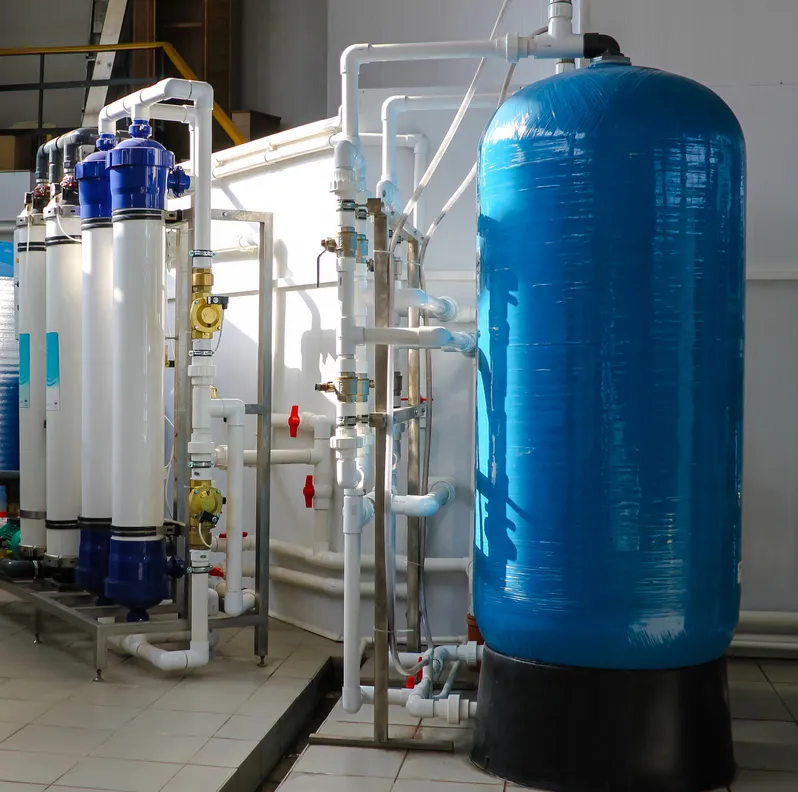
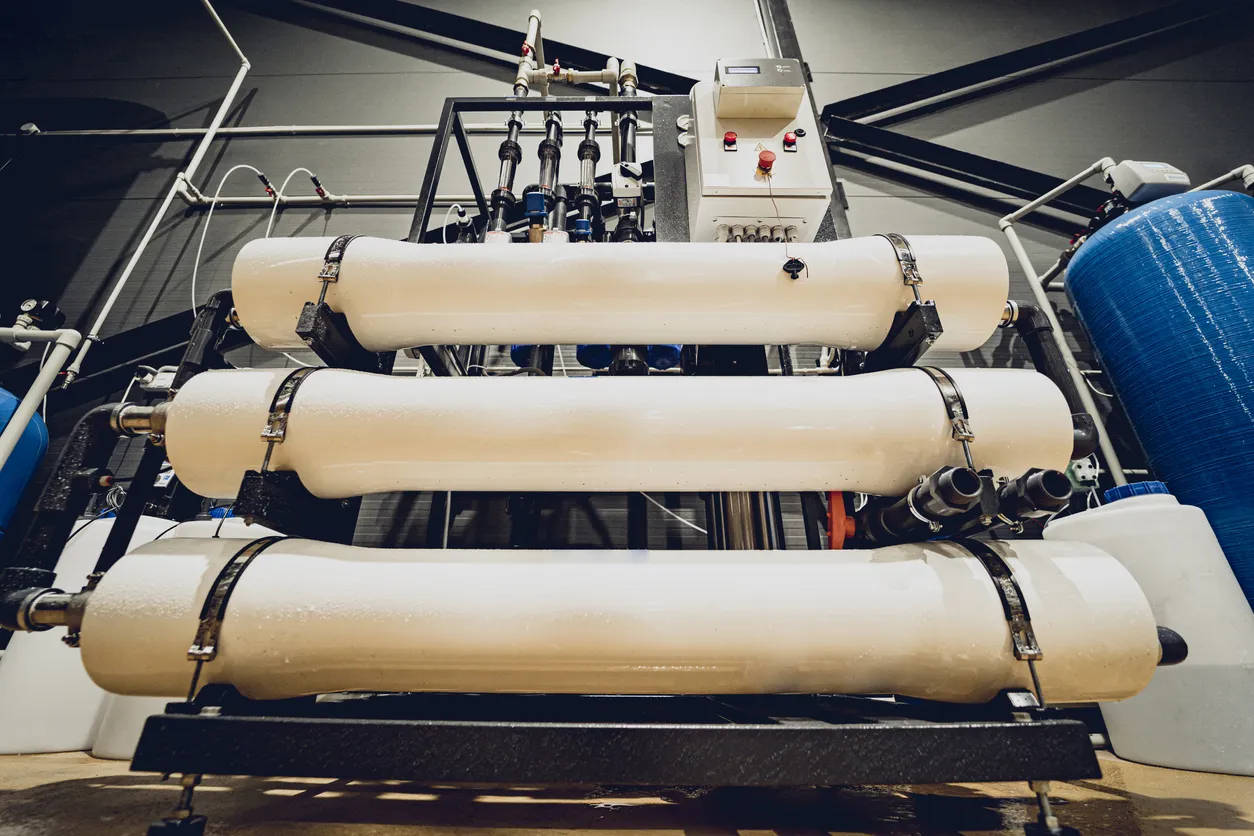
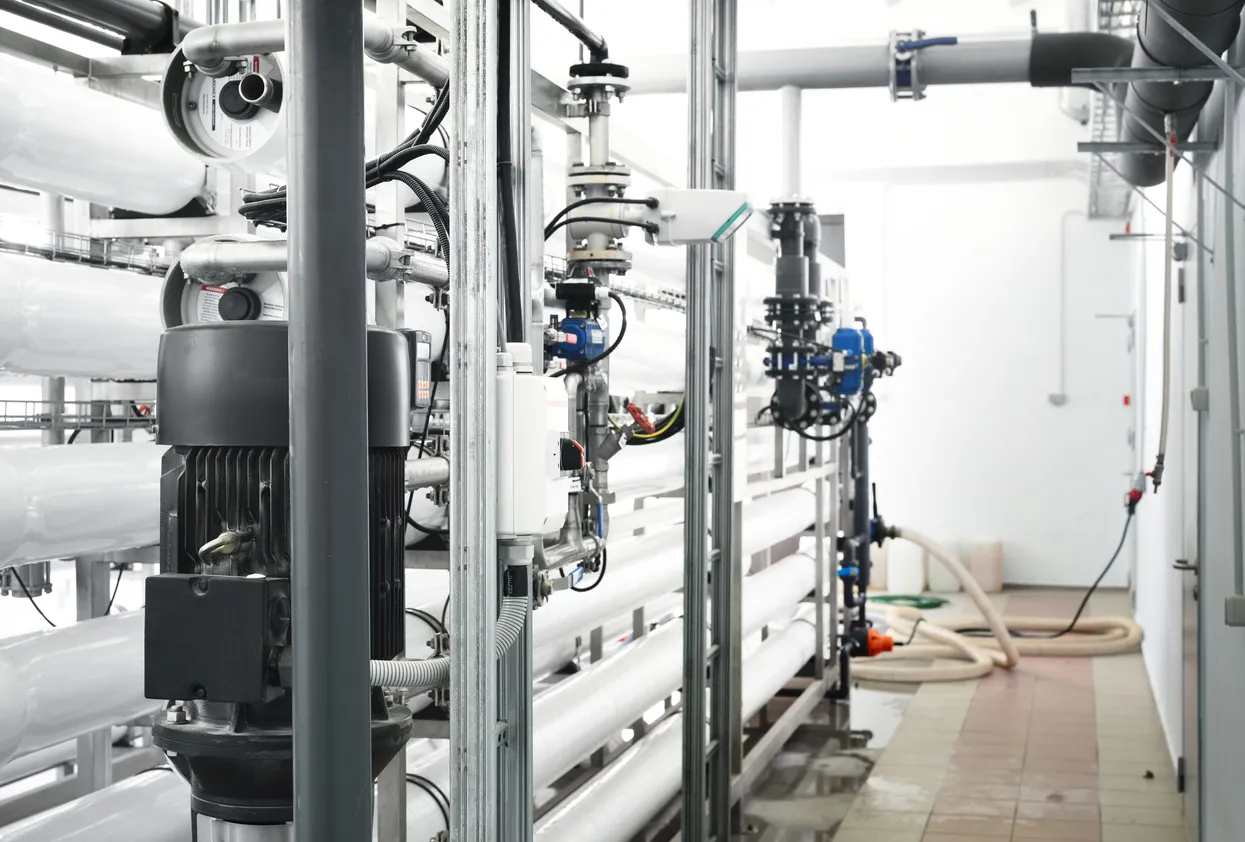
In the industria del plástico, water quality affects cooling circuits, resin handling support systems, molding auxiliaries, washing stages, humidification, boiler make-up, closed-loop utilities and process stability. A well-designed reverse osmosis system reduces dissolved salts, controls conductivity and supports predictable operation where scale, deposits and inconsistent water can create downtime, rejected product or unnecessary chemical consumption.
This page explains how reverse osmosis industria del plástico can be evaluated as an engineered solution rather than a generic piece of equipment. The right approach begins with raw water analysis, production demand, recovery target, pretreatment design, instrumentation, operating discipline and service support. For companies comparing alternatives, it is useful to connect the project with a complete sistema de ósmosis inversa, define technical requirements through ingeniería de ósmosis inversa and plan long-term support through servicio de ósmosis inversa.
Conductivity control
Helps maintain more consistent make-up water for utilities and process needs.
Scale reduction
Reduces mineral loading that can foul heat transfer surfaces and nozzles.
Operational support
Improves decision-making through monitoring, maintenance and documented parameters.
Where reverse osmosis helps in plastic operations
Injection molding and extrusion plants that need stable cooling water management, lower hardness and less dissolved solids entering auxiliary equipment.
Packaging, film, PET, pipe, profile, sheet or compounding facilities where water variability affects productivity, cleaning frequency or utility cost.
Plants that want a technical path to better sustainability by reducing blowdown, uncontrolled mineral cycles and preventable maintenance events.
Return to content index or review service options in servicios de ósmosis inversa.
Estos productos podrian interesarte
Reverse osmosis industria del plástico
Structured guide for engineering, operation and purchasing evaluation.
Water quality challenges in the plastic industry
Plastic manufacturing often appears to be a mechanical and thermal process, yet water quality is deeply connected with production continuity. Chillers, cooling towers, mold temperature controllers, washing systems, humidification units, boilers, compressors and auxiliary utilities can all be affected by hardness, silica, chlorides, iron, suspended solids and high conductivity. Reverse osmosis does not replace every pretreatment step, but it becomes a central barrier for dissolved salts when the goal is to produce water with more predictable quality.
In a plastic plant, raw water may come from municipal supply, wells, surface sources or mixed feeds. Each source can change during the year. Hardness can increase scaling tendency, chlorides can intensify corrosion risk in sensitive metals, silica can form persistent deposits, and organic load can affect membrane performance if not controlled upstream. These variables make engineering analysis essential before selecting equipment capacity, membrane type, dosing strategy and monitoring points.
Cooling and heat transfer
Lower dissolved solids can help reduce scaling pressure on heat exchangers, chiller condensers, cooling loops and mold temperature equipment. Better make-up quality supports more stable cycles of concentration and clearer operating limits.
Washing and rinsing stages
Where plastic parts, containers, films or auxiliary components require rinsing, RO permeate can reduce spotting, mineral residue and variability that may appear after drying or downstream handling.
Utility reliability
Boiler feed, humidification and closed-loop make-up benefit from a controlled mineral profile. This supports maintenance planning and reduces unexpected corrections caused by raw water changes.
Process documentation
A defined RO system creates measurable parameters: feed pressure, differential pressure, permeate flow, concentrate flow, recovery, conductivity and salt rejection. These values help operators detect deterioration early.
Why generic filtration is not enough
Cartridge filters, multimedia filters and softeners can be useful, but they do not remove dissolved salts in the same way as reverse osmosis. In plants where conductivity, scale potential or mineral residue must be reduced, the system should be designed as an integrated treatment train. Pretreatment protects membranes; membranes generate permeate; instrumentation validates performance; maintenance keeps the asset reliable. That is why buyers should evaluate a complete sistema de ósmosis inversa instead of focusing only on nominal flow.
Reverse osmosis industria del plástico
Structured guide for engineering, operation and purchasing evaluation.
Engineering criteria for reverse osmosis industria del plástico
The phrase reverse osmosis industria del plástico should be translated into a specific engineering basis. Flow demand, operating hours, storage strategy, peak consumption, water analysis, fouling potential and quality target all influence the final configuration. A reliable design is not simply a skid with membranes; it is a system that matches plant demand and protects the membranes from predictable failure mechanisms.
Engineering should begin with feed water characterization. Conductivity, TDS, hardness, alkalinity, silica, iron, manganese, chlorine, SDI, turbidity and microbiological tendency are important. For plastic facilities with cooling towers or process recirculation, understanding blowdown, make-up patterns and heat load helps define the value of permeate quality. When the plant has multiple uses for RO water, a storage and distribution strategy is required to avoid undersizing or unnecessary cycling.
Key design decisions
1. Pretreatment selection
Pretreatment may include multimedia filtration, activated carbon, softening, antiscalant dosing, dechlorination, cartridge filtration or ultrafiltration depending on the feed water. The objective is to reduce suspended solids, oxidants, hardness risk and foulants before the membranes.
2. Recovery and concentrate management
Higher recovery reduces reject volume, but it can increase scaling risk. The correct recovery target must consider silica, hardness, alkalinity and concentrate disposal limitations. In many plants, a moderate recovery with stable operation is more valuable than an aggressive setting that causes frequent cleaning.
3. Membrane configuration
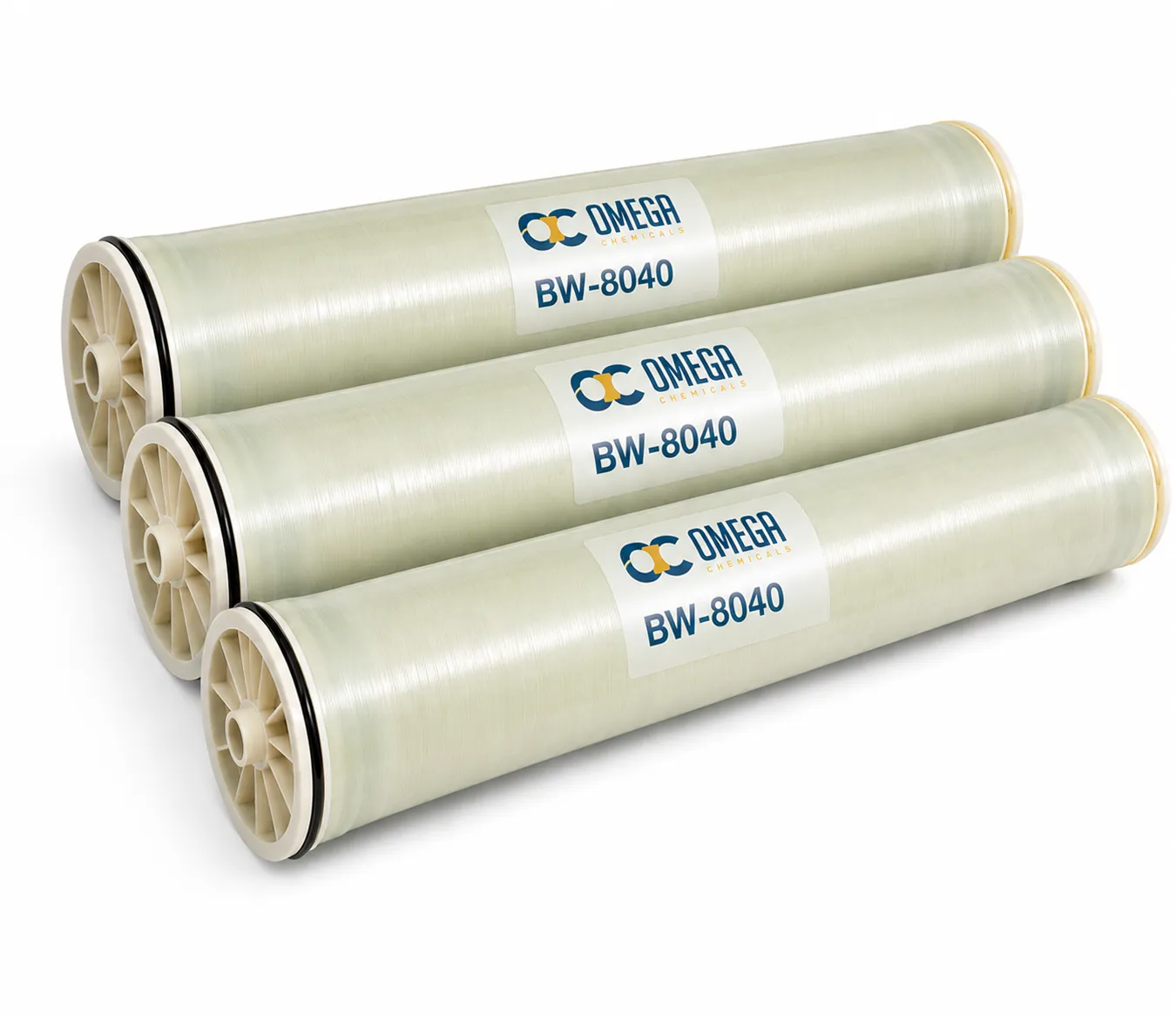
Membrane quantity, array design, pressure vessel layout and staging affect flow, salt rejection and cleanability. The configuration should allow stable flux, acceptable pressure drop and accessible maintenance for industrial teams.
4. Instrumentation and alarms
Pressure, flow, conductivity, level, ORP, pH and differential pressure readings help operators see the system as a controlled asset. Without instrumentation, the plant reacts late to fouling, scaling or chemical dosing errors.
A project that requires process reliability should include ingeniería de ósmosis inversa to define sizing, water balance, pretreatment and commissioning criteria before procurement.
Water balance
Define feed, permeate, concentrate, recycle and storage. This avoids confusion between instantaneous flow, daily volume and peak utility demand.
Quality target
Set expected permeate conductivity and rejection based on application. Cooling, rinsing and boiler feed may require different downstream polishing or blending.
Maintainability
Include space for cartridge replacement, membrane loading, CIP connections, sample ports and safe access to instruments and valves.
Reverse osmosis industria del plástico
Structured guide for engineering, operation and purchasing evaluation.
Operating control: the difference between equipment and performance
Once the RO system is installed, long-term results depend on operating discipline. Operators should track normalized permeate flow, salt rejection, differential pressure, feed conductivity, permeate conductivity, recovery, pH, chemical dosing and cartridge filter pressure drop. These values allow the team to distinguish between normal seasonal variation and true performance deterioration.
In plastic manufacturing, downtime can affect production schedules and utility stability. A reverse osmosis unit that is not monitored can gradually lose capacity until it becomes a bottleneck. A well-managed unit provides early signs: increasing differential pressure may indicate particulate fouling or biofouling; declining rejection may indicate membrane damage or seal issues; reduced permeate flow may indicate scaling, fouling or temperature effects. The goal is to correct conditions before they become emergencies.
Service routines should include log sheet review, calibration checks, cartridge replacement, pretreatment inspection, antiscalant verification, cleaning triggers and membrane performance trending. When the plant lacks internal specialists, scheduled servicio de ósmosis inversa helps maintain the link between data and corrective action.
Recommended operational dashboard
| Parameter | Why it matters | Typical action |
|---|---|---|
| Permeate conductivity | Confirms treated water quality | Check rejection, seals and membrane health |
| Differential pressure | Indicates fouling or restrictions | Inspect filters, pretreatment and cleaning need |
| Recovery percentage | Controls water efficiency and scaling risk | Adjust concentrate flow within design limits |
| Feed pressure | Reflects pump and membrane resistance | Compare against normalized baseline |
| SDI or turbidity | Protects membranes from suspended load | Review pretreatment performance |
A dashboard does not need to be complicated. It must be consistent, visible and linked to response procedures.
Cleaning and membrane protection
Cleaning decisions should not be based only on time. They should be based on performance indicators. Common triggers include significant loss of normalized permeate flow, increased pressure drop or loss of salt rejection. Waiting too long can make deposits harder to remove. Cleaning too often without diagnosing the cause can waste chemicals and hide problems in pretreatment. For plastic industry plants, the best strategy is to establish baseline data during commissioning and compare every month against that baseline.
Reverse osmosis industria del plástico
Structured guide for engineering, operation and purchasing evaluation.
Technical purchasing criteria for plastic manufacturing plants
Buying reverse osmosis equipment for the plastic industry should not be reduced to comparing price per gallon or nominal flow. The decision should evaluate water quality risk, operational support, installation conditions, spare parts, automation, maintenance access and the economic effect of downtime. A low-cost system that lacks proper pretreatment or instrumentation can create higher lifecycle cost than a better engineered alternative.
The purchasing team should request a proposal that clearly states feed assumptions, design temperature, expected permeate flow, recovery, rejection, membrane model, pump material, pretreatment scope, control philosophy and exclusions. It should also define whether installation, commissioning, operator training, preventive service and troubleshooting are included. When a plant uses treated water in multiple applications, the proposal should describe storage, repressurization and distribution considerations.
MarketB2B users comparing alternatives can review service categories in servicios de ósmosis inversa and connect the procurement process with engineering, equipment and maintenance support.
Proposal clarity
A strong proposal explains what the system will deliver, what water quality it assumes and what operating conditions must be maintained.
Lifecycle cost
Consider cartridge filters, chemicals, membrane replacement, cleaning frequency, electrical consumption, reject water and service visits.
Support capacity
Choose suppliers that can help with diagnostics, spare parts, commissioning and operational training after the initial sale.
Scalability
Plastic plants often expand lines or shifts. Storage volume, skid capacity and modularity should anticipate growth where practical.
Questions to ask before selecting a supplier
What is the design basis?
Ask for raw water assumptions, temperature correction, recovery target, flux and expected permeate quality.
How will membranes be protected?
Review pretreatment, chemical dosing, oxidant control, cartridge filtration and automatic shutdown logic.
How will performance be verified?
Request commissioning data, operating logs, alarms and baseline measurements for future maintenance.
Heat transfer fluids for data centers, HVAC and industrial applications
Omega Chemicals offers solutions such as DOWFROST™ LC, KOSTChill PG XL, OMEGA DO LC30 and OMEGA DO LC25 for reliable thermal performance in critical applications.
- DOWFROST™ LC for data centers.
- KOSTChill PG XL for HVAC and computing.
- PG fluids for heat transfer.
- OMEGA DO LC30 PG 30 heat transfer fluid.
- OMEGA DO LC25 for industrial engines.
- Guidance in selecting the right product.
Reverse osmosis industria del plástico
Structured guide for engineering, operation and purchasing evaluation.
FAQ: reverse osmosis industria del plástico
These questions help purchasing, maintenance and engineering teams clarify when reverse osmosis is appropriate for plastic manufacturing and how to evaluate a system before investment.
For additional technical context, review sistema de ósmosis inversa, ingeniería de ósmosis inversa and servicio de ósmosis inversa.
Is reverse osmosis always required in plastic manufacturing?
Not always. It is most valuable when dissolved solids, hardness, silica, conductivity or chloride levels create scaling, residue, corrosion risk or unstable utility operation. A water analysis and process review should define whether RO is needed, whether softening is enough or whether RO should be combined with other treatment steps.
What applications can use RO permeate in the plastic industry?
Common uses include cooling tower make-up, chiller support, boiler make-up, rinsing, washing, humidification, process utilities and closed-loop make-up. The final use depends on the plant layout and required quality. Some applications may need additional polishing after RO.
What information is needed to size the system?
A supplier should request raw water analysis, required permeate flow, daily volume, operating hours, storage requirements, target conductivity, available utilities, space, discharge limitations and pretreatment conditions. Without this information, the proposal may not reflect actual plant demand.
How does RO support operational continuity?
By reducing mineral variability entering critical utility systems, RO can help reduce scaling tendency, stabilize water quality and make maintenance more predictable. It also creates measurable indicators that allow early detection of fouling, scaling or membrane damage.
What maintenance does an RO system require?
Maintenance includes checking logs, replacing cartridge filters, inspecting pretreatment, verifying chemical dosing, calibrating instruments, cleaning membranes when performance triggers are met and reviewing normalized data. Service frequency depends on feed water quality and operating conditions.
What should be compared between suppliers?
Compare design basis, pretreatment scope, membrane selection, recovery assumptions, instrumentation, automation, installation support, commissioning, training, spare parts and after-sales service. The best option is usually the one that reduces lifecycle risk, not simply the one with the lowest initial price.
Final purchasing note
For plastic facilities, reverse osmosis should be purchased as a performance system. The technical value comes from engineering, pretreatment, correct operation, monitoring and service continuity. When the goal is stable quality and reduced operational risk, reverse osmosis industria del plástico should be evaluated with lifecycle criteria and clear process requirements.
Temas que te pueden interesar
Estos productos podrian interesarte