Productos
Segunda mano
Servicios
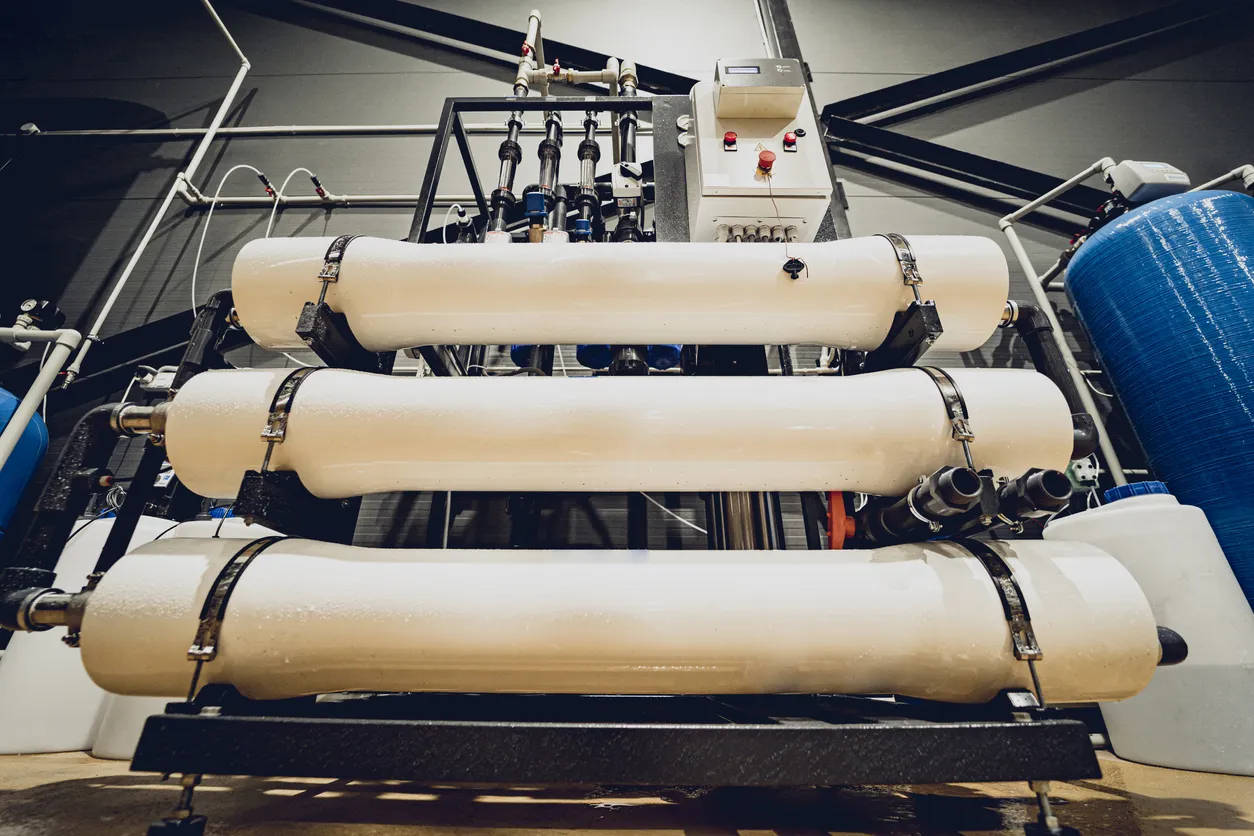
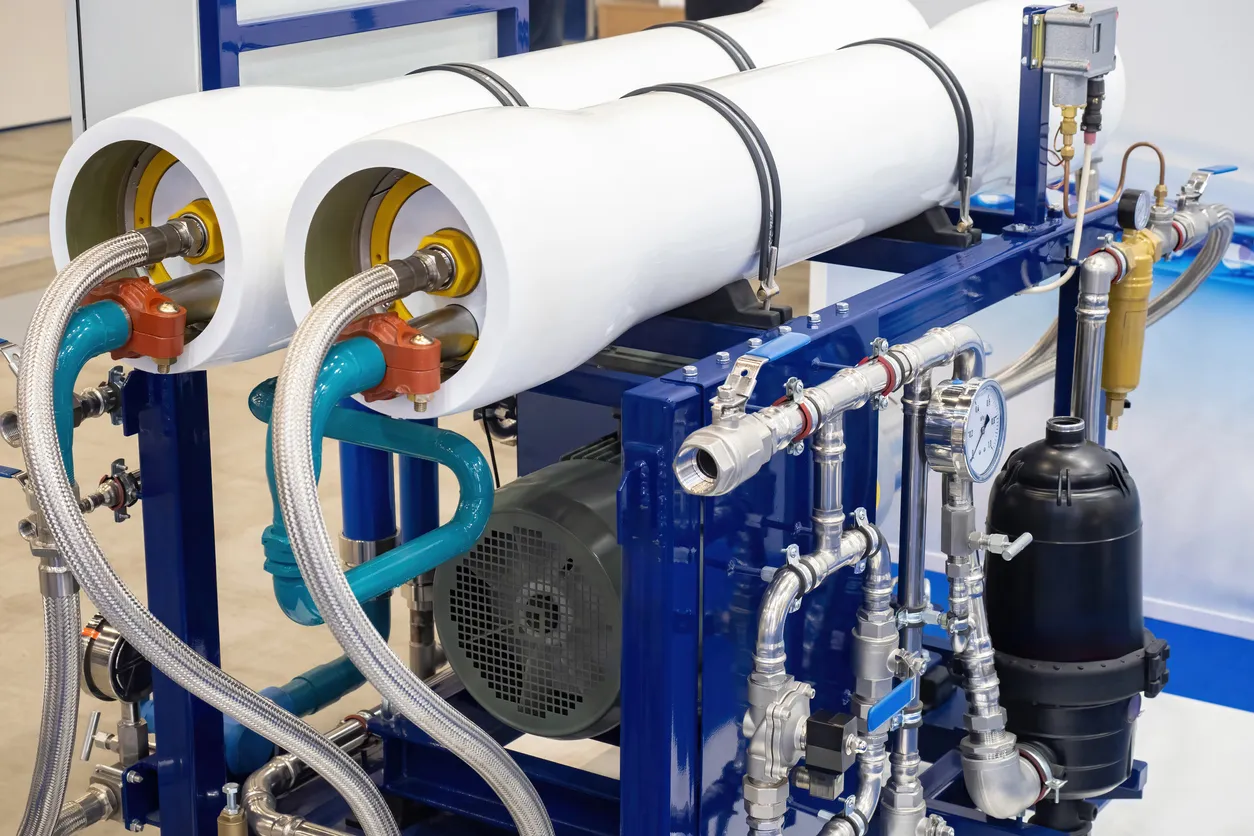
Reverse osmosis systems for anodizado


Estos productos podrian interesarte
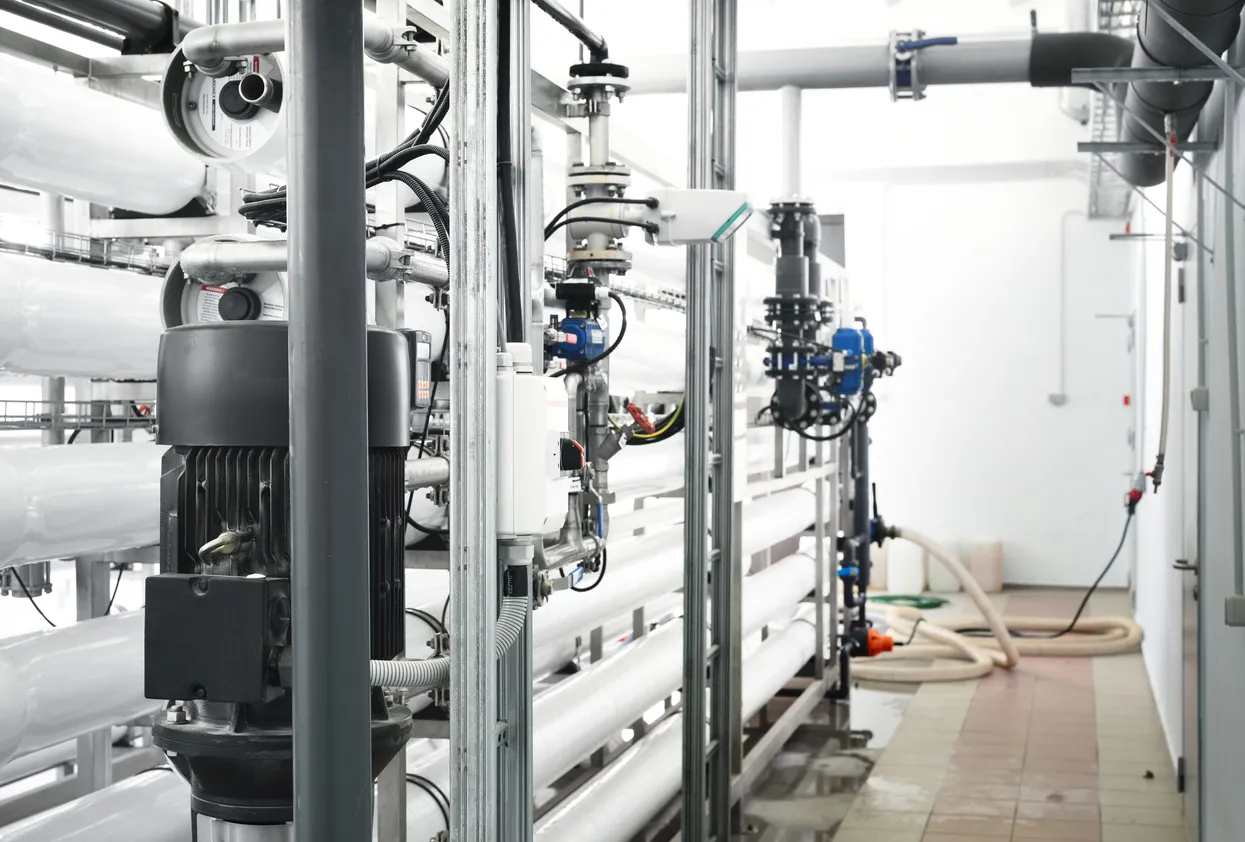
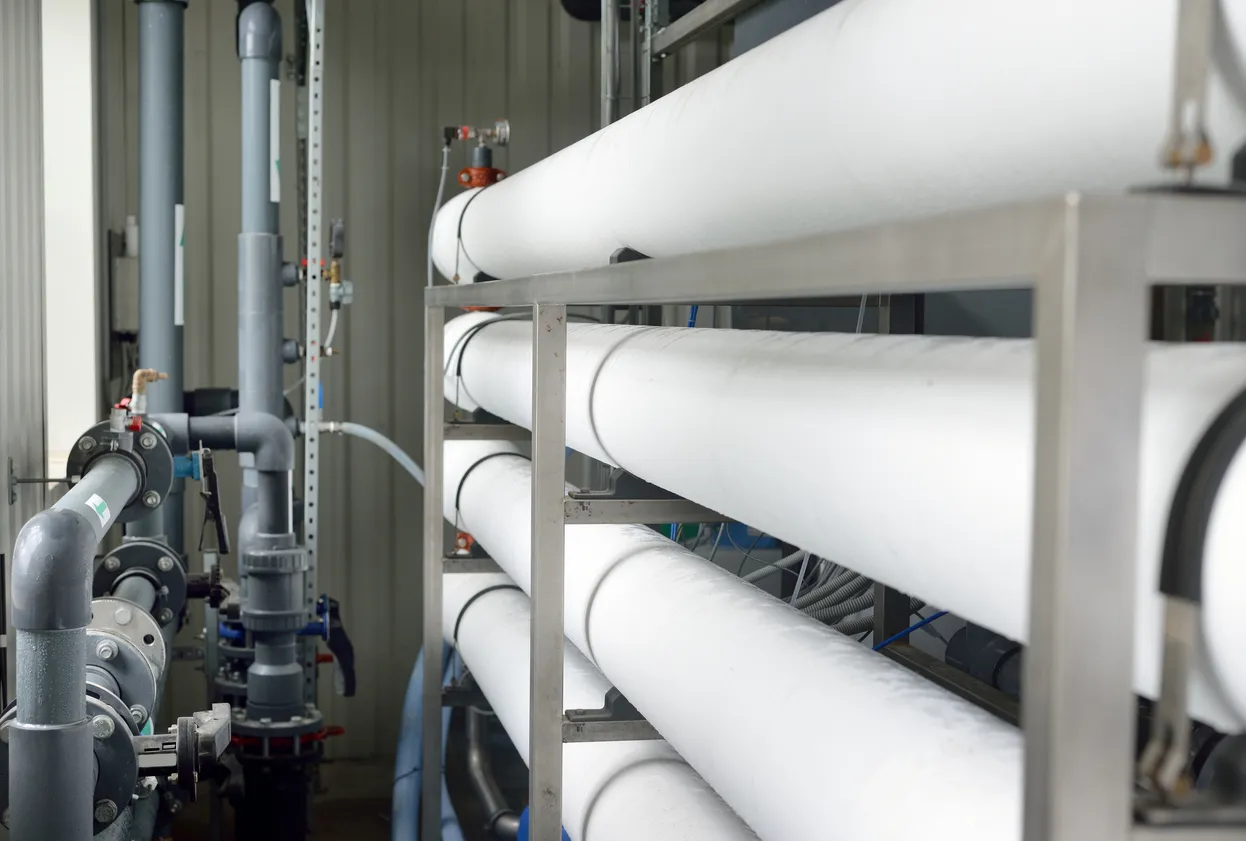
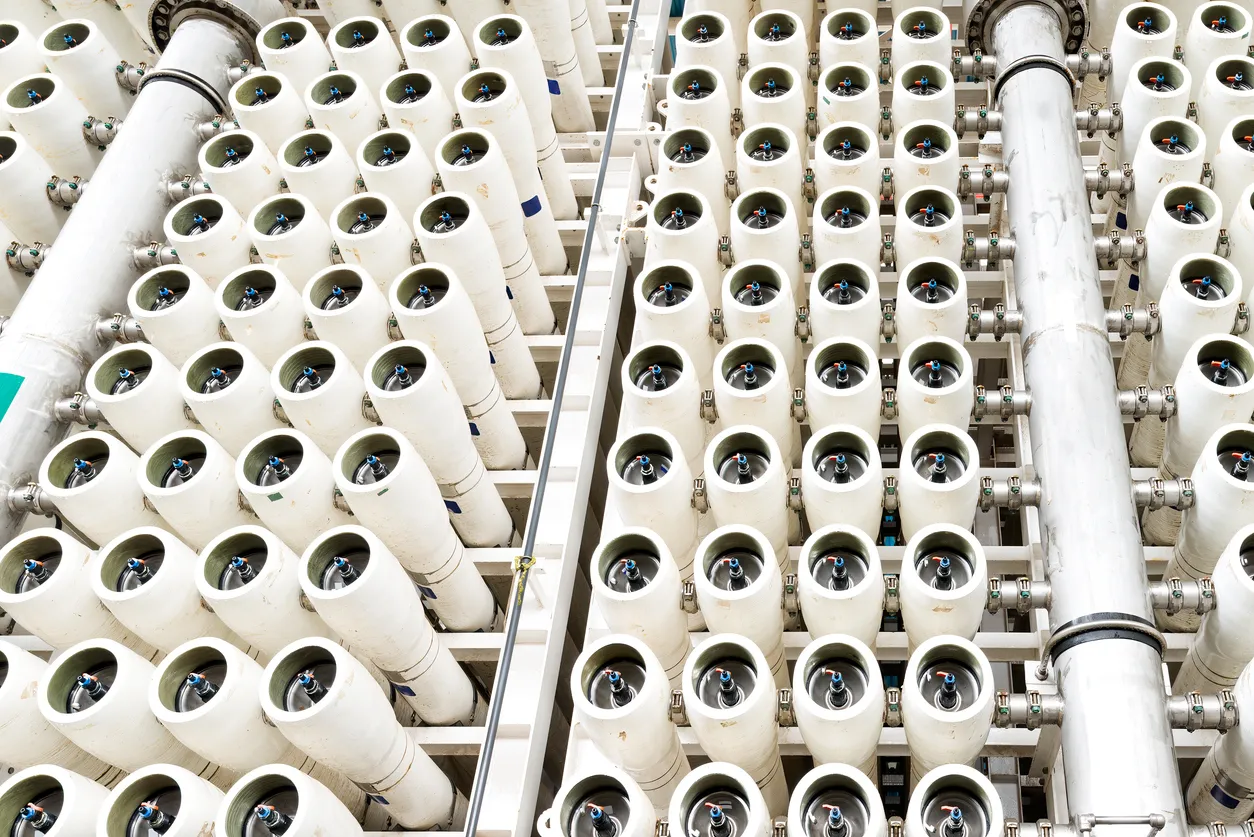
Why water quality is critical in anodizado operations
Industrial anodizado depends on controlled chemistry, clean surfaces and repeatable rinsing. When incoming water contains high dissolved solids, hardness, silica, iron, chlorides or variable alkalinity, the plant can experience staining, spotting, excessive drag-out effects, higher chemical consumption and inconsistent final appearance. Reverse osmosis is used to reduce the ionic load before water enters the process, helping production teams keep rinse tanks cleaner and reducing the burden on downstream finishing steps.
The decision to implement reverse osmosis anodizado should start with a complete water analysis and a process map. It is important to know where permeate will be used: initial rinses, intermediate rinses, final rinses, seal preparation, chemical dilution, cooling loops or utility systems. Each point has a different tolerance for conductivity, flow variation and operational risk. The same equipment may not be ideal for every line if production volume, rinse configuration and quality targets are not considered.
Conductivity stability
Conductivity is one of the main indicators for dissolved salts in process water. Lower and more stable conductivity helps reduce uncontrolled contamination in rinses and supports more predictable surface results.
Hardness reduction
Calcium and magnesium can contribute to deposits, scale and rinse marks. RO membranes reduce hardness and help protect finishing quality when supported by correct pretreatment.
Chloride control
Chlorides may influence corrosion tendencies and surface defects in sensitive operations. RO provides a practical barrier for dissolved ions when the system is designed for the real feed-water profile.
Bath consistency
When permeate is used as make-up or rinse water, operators can work with fewer sudden changes in chemistry. This supports operational stability and helps simplify troubleshooting.
A strong specification should define target permeate conductivity, daily volume, peak demand, storage capacity, sanitization expectations, cleaning access and monitoring points. It should also identify whether the plant needs continuous operation or batch supply. These details are essential for selecting the right sistema de ósmosis inversa and avoiding under-sized equipment that cannot respond to production peaks.
Volver al índiceEngineering criteria for a reverse osmosis system in anodizado
A reverse osmosis system for anodizado should be engineered around feed-water chemistry, process demand and the required quality at the point of use. A common mistake is evaluating only nominal flow capacity. In practice, membrane performance changes with temperature, feed pressure, total dissolved solids, fouling tendency and recovery rate. The system must be sized so it can produce the required permeate during real operating conditions, not only under ideal catalog conditions.
Pretreatment is a decisive part of the design. Multimedia filtration, activated carbon, softening, antiscalant dosing, cartridge filtration and chemical control may be needed depending on the water source. Carbon is especially important when oxidants could damage polyamide membranes. Cartridge filters help retain particles before the pressure vessels. Antiscalant and pH control may be required when recovery is increased and scaling salts concentrate on the reject side. These decisions belong to the engineering stage, not to a generic equipment selection.
The design should also account for storage and distribution. Permeate tanks must be sized to cover production peaks without causing stagnant water problems. Pumps, piping materials and recirculation strategy should be compatible with the quality target and plant layout. For critical rinsing, the distribution loop may need conductivity monitoring, level control, hygienic considerations or periodic flushing. A complete project links membrane separation with the real consumption points in the anodizado line.
Membrane selection
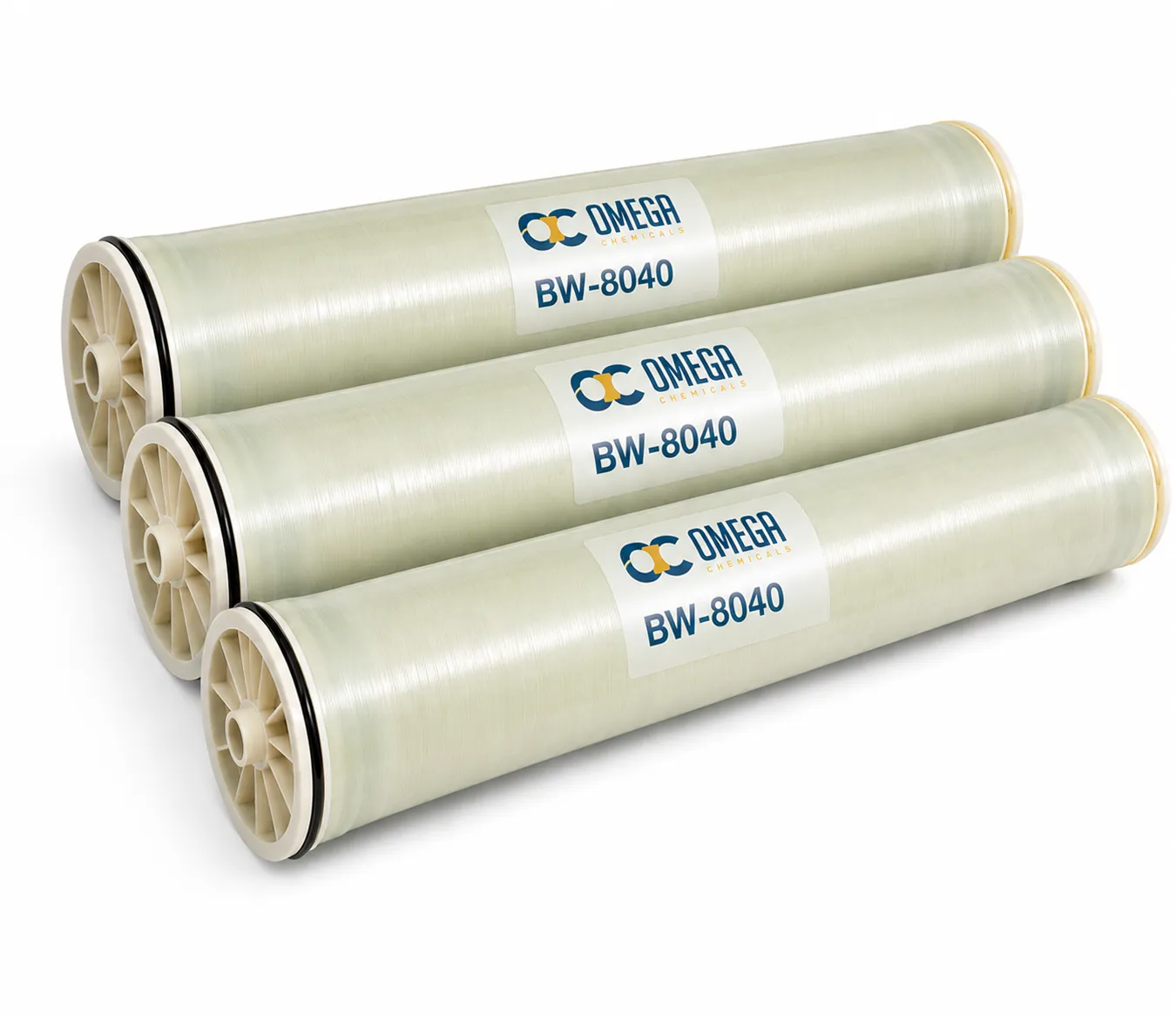
Low-pressure or brackish water membranes may be selected according to feed conditions and required rejection. The selection should balance permeate quality, energy demand and fouling resistance.
Recovery rate
Higher recovery reduces reject volume but increases scaling risk. Anodizado plants need a practical balance between water efficiency and membrane reliability.
Instrumentation
Pressure, flow and conductivity readings make the system manageable. Without reliable instruments, operators cannot distinguish normal variation from a developing problem.
For projects with demanding quality targets, the best path is specialized ingeniería de ósmosis inversa. Engineering defines process basis, equipment arrangement, alarms, controls, cleaning strategy and documentation. This allows purchasing teams to compare proposals by technical scope rather than only by installed flow or price.
Volver al índiceOperation, monitoring and maintenance for stable RO performance
Once installed, reverse osmosis equipment must be operated as a controlled system. Operators should track feed conductivity, permeate conductivity, feed pressure, concentrate pressure, permeate flow, reject flow, recovery percentage and differential pressure across cartridge filters and membrane stages. These values make it possible to detect fouling, scaling, pump issues, valve problems or membrane damage before water quality affects the anodizado line.
Maintenance should include cartridge filter replacement based on differential pressure, verification of chemical dosing, cleaning of pretreatment units, calibration of conductivity instruments, inspection of leaks and periodic review of normalized performance. Membrane cleaning should not be treated as a last resort. A plant that waits until production quality is already affected may require more aggressive cleaning, longer downtime or early membrane replacement.
Documentation matters. Daily logs, alarm history, maintenance records and water analysis results allow the team to identify patterns. If permeate quality changes after a seasonal shift in feed water, after a pretreatment failure or after a production peak, the trend can be analyzed. Without records, troubleshooting becomes slower and the system may be blamed for problems caused by feed variation, incorrect operation or missing maintenance.
Recommended operating indicators
- Feed, permeate and concentrate conductivity.
- Permeate flow compared with normalized baseline.
- Pressure drop across pretreatment and membrane stages.
- Recovery percentage and reject flow.
- Chemical consumption and dosing pump status.
- Tank level, demand peaks and distribution pressure.
Decision support for maintenance
When indicators are reviewed together, the plant can separate water-quality issues from hydraulic issues. For example, a decrease in permeate flow with rising differential pressure may point to fouling, while higher permeate conductivity without a major hydraulic change may indicate membrane integrity or oxidation damage. This is why service support should include both field experience and process interpretation.
A service plan can include preventive visits, technical reports, membrane cleaning recommendations, calibration checks and operator guidance. For plants that cannot stop production easily, a structured servicio de ósmosis inversa helps protect continuity and reduce the probability of emergency interventions. Buyers can also review available servicios de ósmosis inversa when comparing technical support options.
Volver al índiceHow to evaluate suppliers for reverse osmosis anodizado projects
For anodizado facilities, supplier evaluation should go beyond the equipment list. A strong supplier should be able to interpret the water analysis, explain pretreatment logic, define expected permeate quality, document design assumptions and provide a realistic service model. This is important because the purchase decision affects surface quality, production reliability and long-term operating cost.
When comparing proposals, review whether the supplier includes instrumentation, cleaning connections, sampling points, pressure gauges, flow meters, conductivity monitoring, control panel logic and documentation. A lower initial price may omit components that are necessary for operation and troubleshooting. The best proposal is usually the one that makes the process more manageable, not only the one that lists a nominal permeate flow.
Technical basis
The proposal should state feed-water assumptions, temperature basis, recovery target, membrane configuration and expected permeate range.
Installation scope
Clarify electrical, hydraulic, drain, storage, commissioning and operator training responsibilities before purchase.
Consumables
Include cartridges, antiscalant, cleaning chemicals and replacement membranes in the cost evaluation.
After-sales support
Confirm response capacity, maintenance visits, troubleshooting reports and technical guidance for plant operators.
A complete reverse osmosis anodizado project supports better decision making because it links water quality with finishing performance. It should help the plant reduce uncontrolled salts in rinses, protect membrane assets with correct pretreatment and establish measurable operating indicators. When the project is aligned with production realities, the RO system becomes part of the quality strategy rather than an isolated utility package.
MarketB2B content and internal links help connect buyers with technical topics related to industrial RO. Use the references to compare the role of a sistema de ósmosis inversa, the value of ingeniería de ósmosis inversa and the importance of continuous servicio de ósmosis inversa. These elements help create a more complete technical and commercial evaluation for industrial water treatment in anodizado.
Volver al índice
Heat transfer fluids for data centers, HVAC and industrial applications
Omega Chemicals offers solutions such as DOWFROST™ LC, KOSTChill PG XL, OMEGA DO LC30 and OMEGA DO LC25 for reliable thermal performance in critical applications.
- DOWFROST™ LC for data centers.
- KOSTChill PG XL for HVAC and computing.
- PG fluids for heat transfer.
- OMEGA DO LC30 PG 30 heat transfer fluid.
- OMEGA DO LC25 for industrial engines.
- Guidance in selecting the right product.
Frequently asked questions about reverse osmosis for anodizado
Why is reverse osmosis useful in anodizado?
Reverse osmosis helps reduce dissolved salts, hardness and conductivity variation in the water used for rinsing, chemical dilution and other process points. In anodizado, cleaner and more stable water supports more predictable surface preparation and final rinsing. The benefit is especially important when the plant has variable feed water or when finish quality is affected by spots, residues or uncontrolled contamination.
What water parameters should be reviewed before selecting the system?
The evaluation should include conductivity, TDS, hardness, alkalinity, silica, iron, manganese, chlorides, sulfates, turbidity, pH, oxidants and microbiological tendency when relevant. Flow demand, operating hours, temperature and required permeate quality should also be defined. These parameters determine pretreatment needs, membrane selection, recovery rate and instrumentation.
Is reverse osmosis alone enough for an anodizado line?
Not always. RO is the central separation technology, but it often depends on pretreatment such as filtration, activated carbon, softening or chemical dosing. The system may also require storage, distribution pumps, conductivity monitoring and maintenance planning. The correct solution is a complete water treatment arrangement, not only a membrane skid.
How should the capacity be defined?
Capacity should be based on real process consumption, peak demand, tank refill time, number of shifts and required safety margin. If the system is sized only by average demand, it may not maintain supply during production peaks. If it is oversized without proper storage and controls, it may create unnecessary cost or unstable operation.
What maintenance is required?
Maintenance includes cartridge filter replacement, pretreatment checks, chemical dosing verification, instrument calibration, inspection of pumps and valves, review of permeate conductivity and periodic analysis of normalized membrane performance. Cleaning frequency depends on feed-water quality and operation. A service plan helps identify fouling or scaling before it becomes a production problem.
What should buyers compare in supplier proposals?
Buyers should compare the technical basis, water analysis assumptions, target permeate quality, pretreatment design, membrane configuration, instrumentation, installation scope, commissioning, consumables, documentation and after-sales support. For reverse osmosis anodizado, a complete proposal should explain how the system supports rinse quality and operational continuity.
The most reliable projects combine proper engineering, correct pretreatment, documented operating limits and service support. Reviewing the related pages for sistema de ósmosis inversa, ingeniería de ósmosis inversa, servicio de ósmosis inversa and servicios de ósmosis inversa can help industrial buyers build a stronger technical comparison before purchasing.
Volver al índice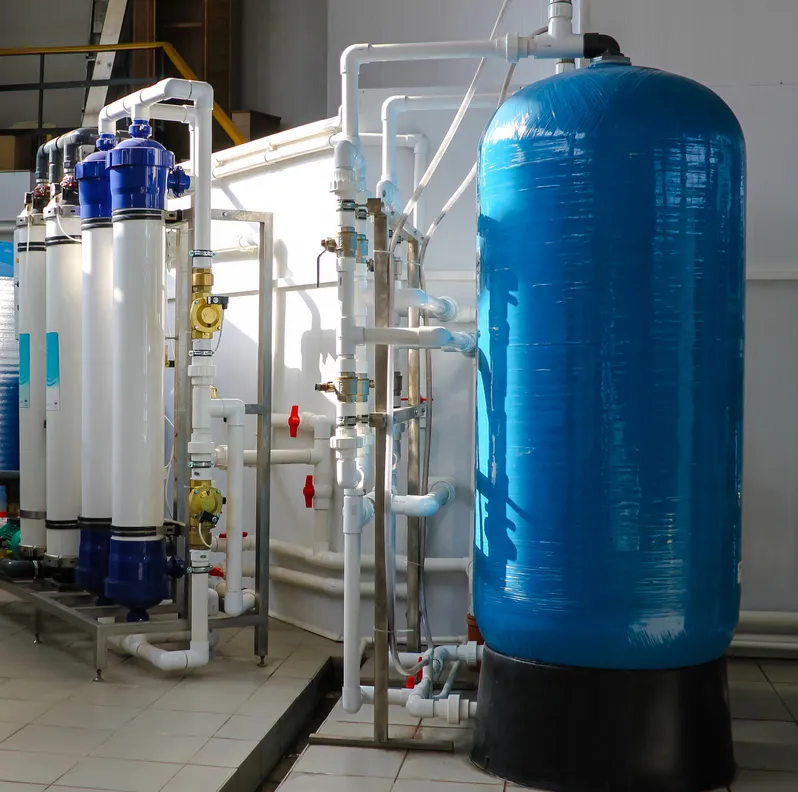
Temas que te pueden interesar
Estos productos podrian interesarte