Productos
Segunda mano
Servicios
Reverse osmosis systems for fundiciones


High-purity process water for foundry operations with engineered reverse osmosis.
In fundiciones, water quality affects cooling circuits, surface preparation, quench control, boiler make-up, emissions support systems and downstream finishing operations. A properly specified reverse osmosis platform helps reduce dissolved solids, hardness, chlorides, sulfates and conductivity so the plant can operate with more stable water chemistry and fewer quality deviations.
This page is structured for technical and purchasing teams evaluating reverse osmosis fundiciones projects. It connects the commercial value of reliable permeate with the engineering criteria behind pretreatment, membrane selection, instrumentation, automation, operation, maintenance and service support. The goal is to help decision makers compare suppliers beyond equipment price and focus on performance, continuity, risk reduction and long-term cost of ownership.
Índice de secciones
1. Enfoque comercial y valor operativo ↘ 2. Calidad de agua requerida en fundiciones ↘ 3. Ingeniería del sistema RO y pretratamiento ↘ 4. Operación, control y monitoreo ↘ 5. Criterios de compra y servicio técnico ↘ 6. FAQ técnico para decisión de compra ↘A reverse osmosis system for fundiciones should be evaluated as a production-support asset: it protects thermal equipment, stabilizes process water and improves predictability in plants where high temperature, dust, metals, oils and variable make-up water can create demanding operating conditions.
Why reverse osmosis matters in foundries
Foundry production depends on controlled thermal exchange, clean auxiliary water and stable utility operation. When feed water contains excessive hardness, silica, chlorides, sulfates or dissolved solids, the plant may experience scale, corrosion, loss of heat-transfer efficiency, higher blowdown, spotting in downstream washing steps, membrane fouling in polishing systems and inconsistent performance in equipment that depends on predictable conductivity. Reverse osmosis reduces these risks by producing a controlled permeate stream that can be integrated into cooling, boiler make-up, washing, rinsing, humidification, dust-control or process-support loops according to the final quality requirement.
For buyers, the value is not only the skid. The real value is the engineering package: understanding the raw water analysis, designing pretreatment, selecting membranes, defining recovery, including adequate instruments, planning reject management and establishing an operating window that maintenance teams can actually sustain. A robust reverse osmosis fundiciones solution should make the plant easier to supervise and easier to justify financially by reducing unplanned intervention, chemical imbalance, water quality variability and premature component replacement.
The sections below provide a technical basis for evaluating a sistema de ósmosis inversa, reviewing ingeniería de ósmosis inversa, comparing servicio de ósmosis inversa options and locating broader servicios de ósmosis inversa for industrial applications.
Estos productos podrian interesarte
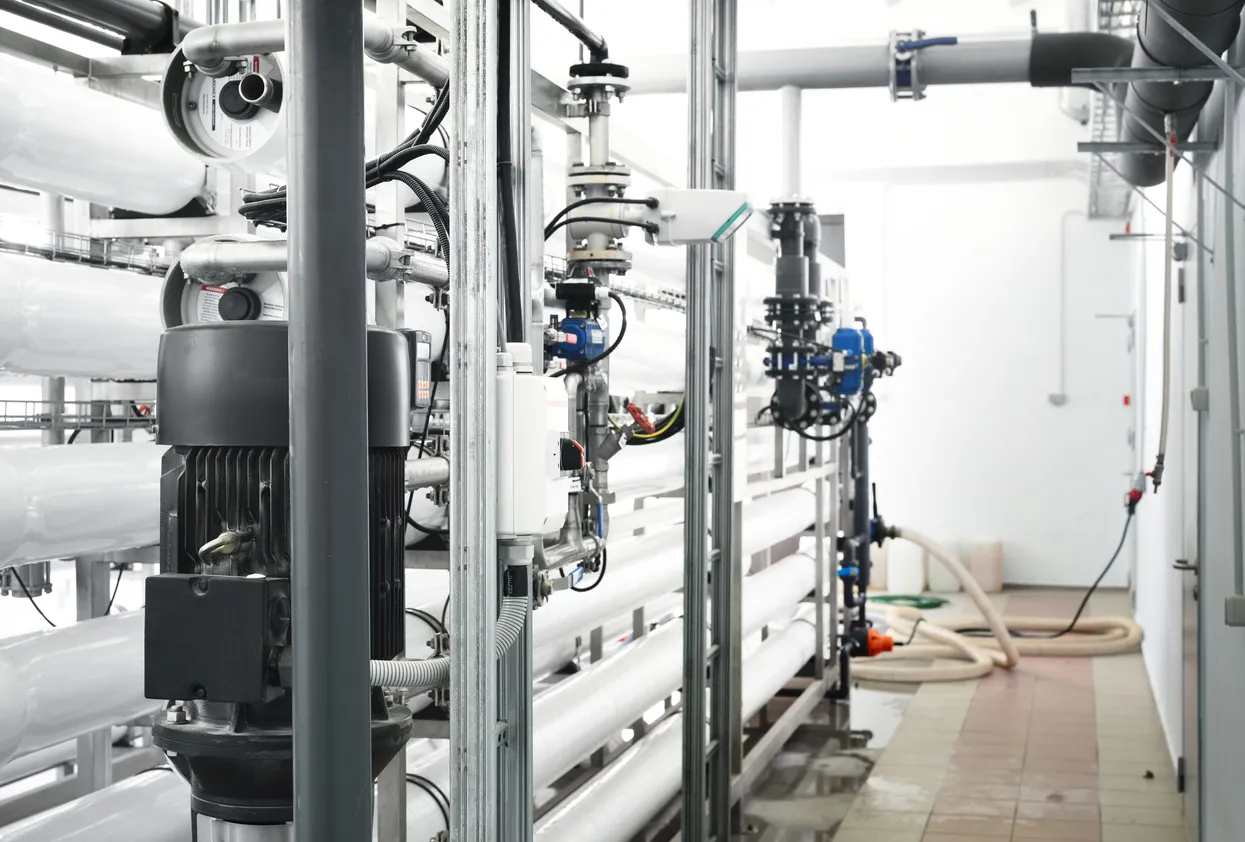
Water quality objectives in foundry environments
In foundries, the quality target for reverse osmosis should be connected to the process that will consume the permeate. Cooling tower make-up, closed-loop cooling, boiler make-up, parts washing, rinsing after surface preparation, fume-control systems and ancillary process water do not always require the same final conductivity. However, they share one common need: the water must be predictable. Predictability allows operators to control cycles of concentration, chemical dosing, corrosion tendency, scaling potential and heat-transfer efficiency without continuously reacting to changes in raw water.
A reverse osmosis fundiciones project usually begins with a complete water analysis. Key parameters include conductivity, TDS, hardness, alkalinity, silica, chlorides, sulfates, iron, manganese, turbidity, SDI, organic load, pH and temperature. In a foundry, extra attention should be placed on suspended solids, airborne dust contamination, oil carryover, biological growth and return-water contamination because plant conditions can be harsh. A design based only on nominal flow is incomplete; the system must be sized around the actual feed chemistry, seasonal variability and the required permeate quality at the point of use.
Lower conductivity supports stable rinse quality, boiler make-up quality and reduced dissolved-solids loading in sensitive loops.
Reducing calcium and magnesium helps limit scale in heat exchangers, spray nozzles, piping, valves and downstream polishing units.
Silica and sulfates influence recovery limits, antiscalant selection, cleaning frequency and membrane operating envelope.
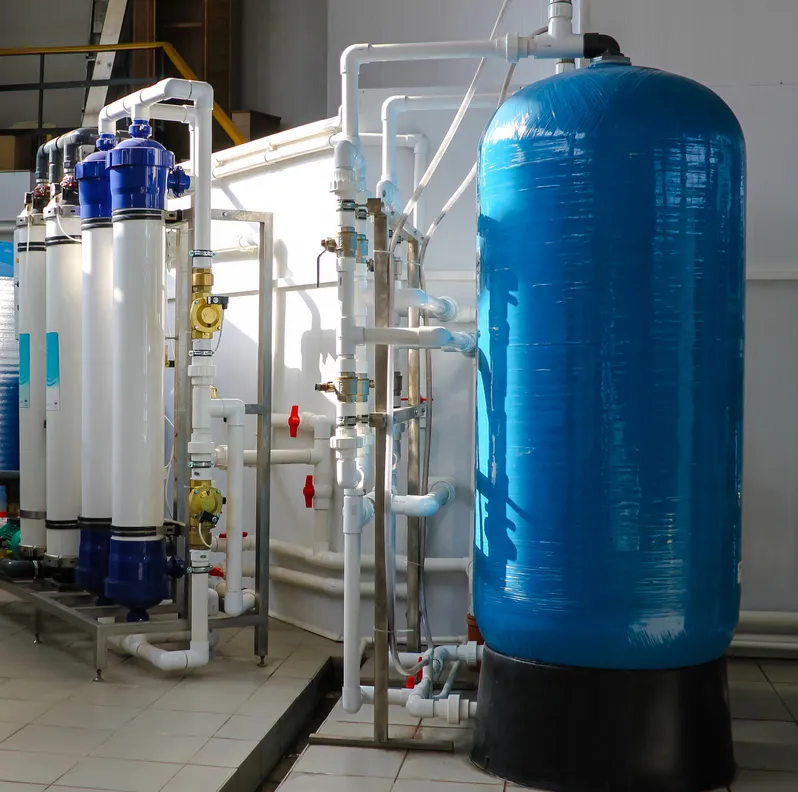
The decision-maker should ask whether the supplier can translate the water analysis into an operating philosophy. For example, high hardness may require softening or antiscalant; high turbidity may require multimedia filtration or ultrafiltration; iron may require oxidation and filtration; chlorine must be removed before polyamide membranes; oils and organics may require specific pretreatment. The same reverse osmosis skid can perform very differently depending on the quality of the pretreatment installed upstream.
For a foundry, high-purity process water is not an isolated utility. It can influence reject rate in finishing, stability of cooling assets, chemical consumption, equipment life and maintenance planning. This is why reverse osmosis should be evaluated as part of the plant water strategy rather than as a generic skid.
Engineering criteria for an industrial RO system in foundries
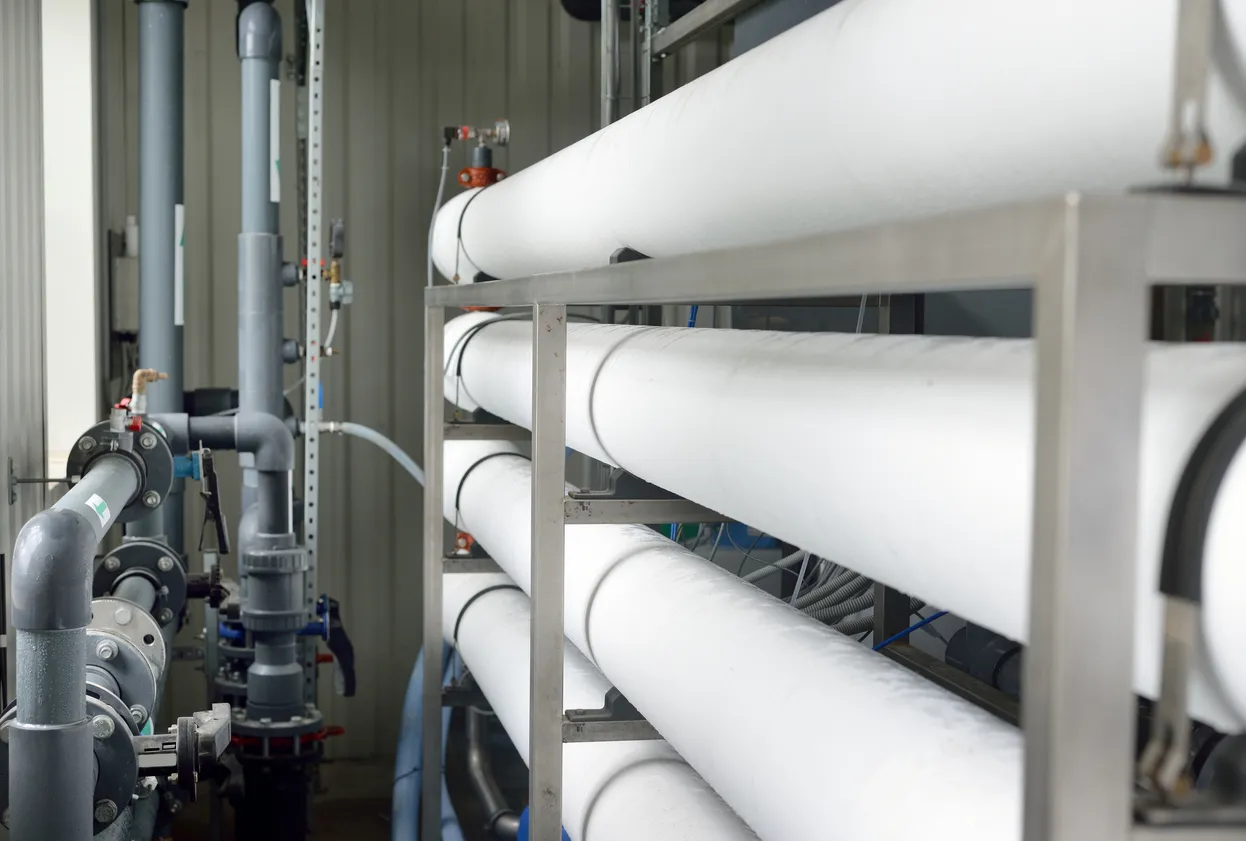
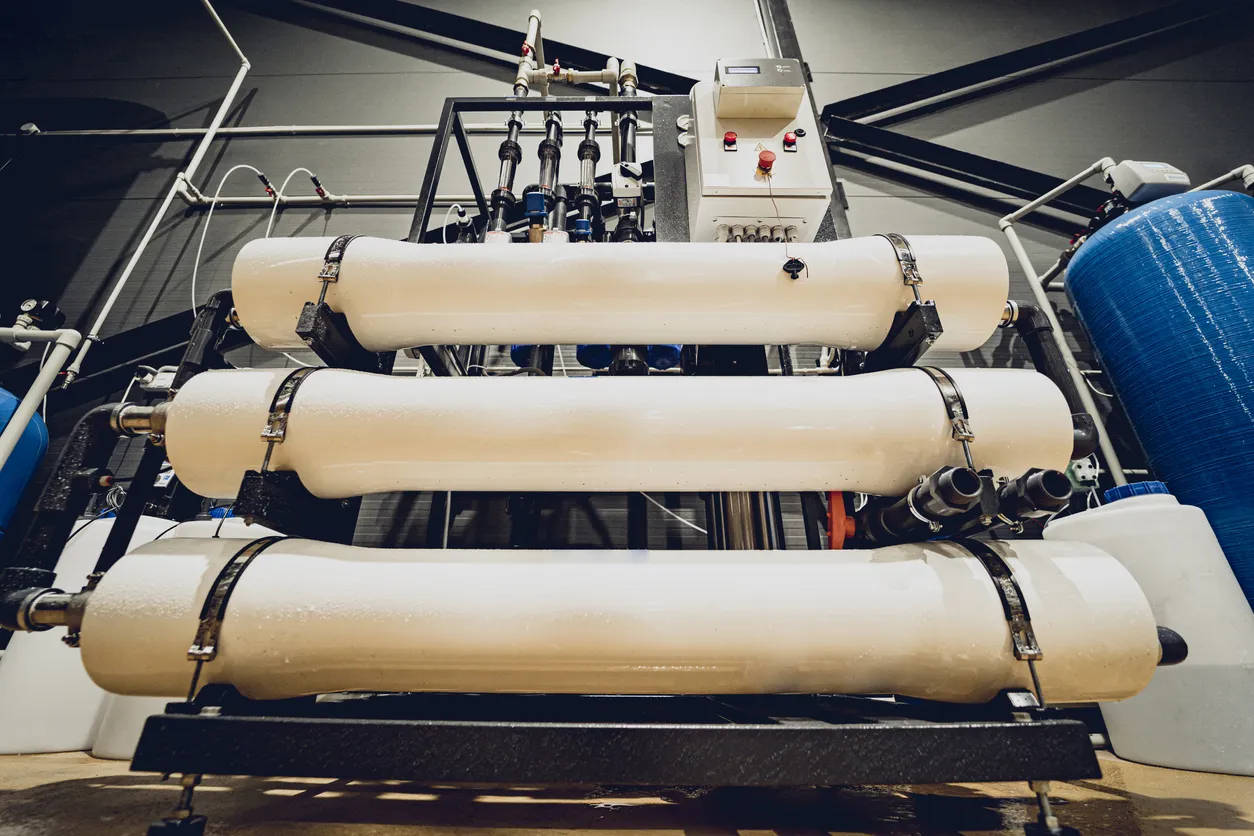
The engineering stage defines whether the system will be easy to operate or difficult to maintain. A well-designed sistema de ósmosis inversa for foundries should include hydraulic sizing, membrane array selection, recovery calculation, reject-flow management, instrumentation, chemical dosing, cleaning connections, automation logic and safety protections. The design must also consider space, access, drain capacity, electrical availability, feed tank behavior, permeate tank behavior and how the operators will isolate equipment for service.
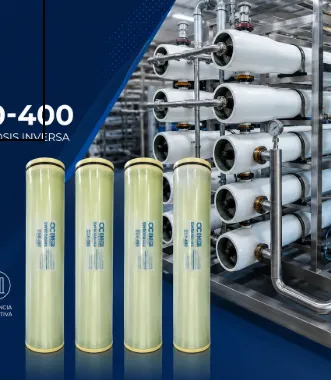
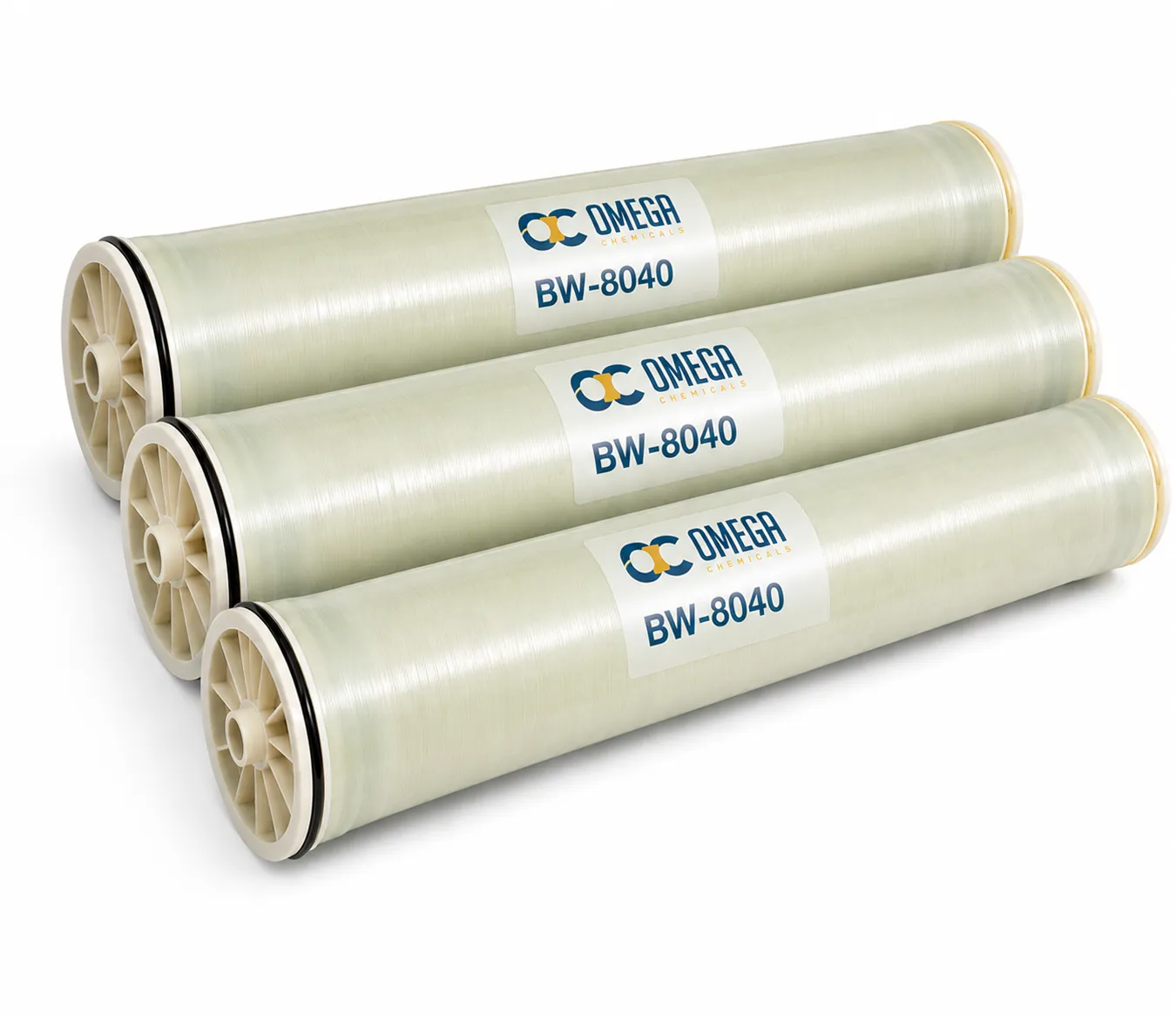
Membrane selection depends on feed water salinity, target permeate quality, expected recovery, fouling risk and cleaning strategy. In many industrial foundry applications, low-pressure brackish-water membranes may be suitable, but the final choice must be based on projection software and field conditions. Recovery should not be pushed beyond the scaling limit. Excessive recovery can increase concentration polarization, scaling risk, differential pressure and cleaning frequency. A lower recovery may be more economical when downtime, membrane replacement and chemical cleaning are considered.
Foundry water rooms often support production lines with little tolerance for downtime. Therefore, engineering should include redundancy where the risk justifies it: duplex cartridge filters, standby pumps, bypass arrangements, spare membrane vessels, additional instrumentation or parallel trains. The level of redundancy depends on production criticality and the cost of interruption. A plant operating multiple shifts may need a different design than a small facility that can schedule maintenance during planned shutdowns.
The strongest projects include commissioning criteria before equipment is purchased. These criteria may include design permeate flow, normalized permeate flow, differential pressure limits, salt rejection, feed and permeate conductivity, recovery, chemical dosing ranges and alarm settings. When these values are documented, the supplier and the buyer can compare actual operation against the intended design. This helps avoid disputes and supports long-term maintenance.
For technical evaluation, buyers should review ingeniería de ósmosis inversa resources and verify whether the supplier can provide drawings, material specifications, equipment lists, membrane projections, control philosophy and service recommendations. In foundries, where water quality is tied to utilities and process support, engineering documentation is not a luxury; it is the roadmap for reliable operation.
↑ Volver al índiceOperational control for stable reverse osmosis performance
Once the system is installed, performance depends on disciplined operation. Operators should not only record feed and permeate flow; they should normalize data to understand whether changes are caused by temperature, pressure, fouling, scaling or membrane aging. Daily readings typically include feed pressure, concentrate pressure, permeate pressure when available, feed flow, permeate flow, concentrate flow, recovery, feed conductivity, permeate conductivity, pH and chemical dosing rate. These values help detect membrane compaction, fouling, scaling, valve misadjustment, pump wear or feed-water changes.
In a foundry, a reverse osmosis system can be exposed to variable demand. Production schedules, furnace operation, cooling demand, wash cycles and utility needs may change across shifts. The controls should avoid short cycling, protect pumps from low level, prevent operation with inadequate feed pressure, stop the unit on high permeate conductivity when needed and trigger alarms before tanks run dry. A stable automation strategy protects equipment and also protects downstream processes that depend on consistent permeate quality.
Compare feed, permeate and concentrate to confirm recovery and detect blocked valves, scaling or incorrect settings.
Increasing pressure drop across vessels indicates fouling or particulate loading and should trigger inspection.
Tracking rejection helps identify membrane damage, oxidation, sealing issues or feed chemistry changes.
Cleaning should be based on normalized loss of flow, pressure increase or rejection decline, not only calendar dates.
Maintenance planning should include cartridge filter replacement, verification of chemical pumps, calibration of conductivity meters, inspection of pressure gauges, validation of antiscalant dosage, resin or media condition if pretreatment is present, and review of CIP history. When these activities are documented, the plant can distinguish between normal membrane aging and avoidable operational damage. In foundries, where dust and oils can enter water-handling areas, housekeeping around the RO skid and pretreatment equipment is also part of reliability.
Remote monitoring or data logging can add value when production risk is high. A simple data trend can show whether permeate flow is declining gradually, whether conductivity is rising after each shift, or whether pressure increases after specific plant events. This information helps service teams diagnose problems faster. It also supports decisions on when to schedule cleaning, when to inspect pretreatment and when to replace membranes. When the supplier offers servicio de ósmosis inversa, the service scope should include data interpretation, not only emergency visits.
Reverse osmosis fundiciones projects should also consider safety and operator usability. Chemical containers must be labeled, dosing points must be accessible, high-pressure components should be protected, drain lines should handle reject flow, and the control panel should present clear alarms. A technically correct system can still fail commercially if the plant team cannot operate it confidently. Training, checklists and maintenance routines help turn the skid into a reliable production asset.
↑ Volver al índiceHow to compare reverse osmosis suppliers for foundries
When comparing proposals, the lowest equipment price is not always the lowest project cost. A foundry should evaluate the complete scope: pretreatment, RO skid, membrane model, pressure vessels, pumps, valves, instrumentation, PLC or control panel, electrical protections, installation support, commissioning, training, spare parts and after-sales service. Missing items can later appear as change orders or operational limitations. A clear proposal should state design feed water, design permeate flow, recovery, expected permeate conductivity, operating pressure, cleaning assumptions and exclusions.
One important factor is whether the supplier understands industrial service conditions. Fundiciones can present high ambient temperatures, metallic dust, oil residues, variable operating schedules and demanding maintenance environments. Skid construction, material selection and access for service should be appropriate. Stainless steel, coated carbon steel or engineering plastics may be selected depending on budget, chemistry and environment. The electrical enclosure must match the installation area, and the system layout should allow cartridge filters, membranes, pumps and sensors to be serviced without excessive downtime.
Look for feed-water assumptions, membrane projections, recovery limits, pretreatment logic, instrumentation list and commissioning values. A short quote without engineering basis is difficult to compare.
Verify whether the provider supports installation, start-up, troubleshooting, membrane cleaning, replacement parts and operator training. Service response can be more important than brand selection.
Ask about chemical consumption, cartridge filters, membrane life, cleaning frequency, reject management, energy demand and expected maintenance tasks.
For decision makers, the strongest procurement process includes a technical clarification stage. During this stage, the buyer can request information about design margins, alarm philosophy, CIP design, spare-parts list, recommended instruments, pretreatment sizing, installation requirements and operational training. These questions reveal whether the proposal is engineered for foundry use or simply adapted from a generic industrial RO package.
Interlinks and related service resources can support the evaluation process. A buyer can start with the general sistema de ósmosis inversa page to understand equipment scope, review ingeniería de ósmosis inversa for design considerations, consult servicio de ósmosis inversa for maintenance support and compare broader servicios de ósmosis inversa when multiple support needs exist.
A final recommendation is to document acceptance criteria before start-up. These criteria should include flow, conductivity, recovery, pressure ranges, rejection performance and alarm testing. If the system is part of a critical utility, include a maintenance plan and spare-parts strategy from the beginning. This prevents the project from ending at installation and helps ensure that reverse osmosis fundiciones performance remains stable after the supplier leaves the site.
↑ Volver al índice
Heat transfer fluids for data centers, HVAC and industrial applications
Omega Chemicals offers solutions such as DOWFROST™ LC, KOSTChill PG XL, OMEGA DO LC30 and OMEGA DO LC25 for reliable thermal performance in critical applications.
- DOWFROST™ LC for data centers.
- KOSTChill PG XL for HVAC and computing.
- PG fluids for heat transfer.
- OMEGA DO LC30 PG 30 heat transfer fluid.
- OMEGA DO LC25 for industrial engines.
- Guidance in selecting the right product.
Frequently asked questions about reverse osmosis for fundiciones
What does reverse osmosis do for a foundry?
Reverse osmosis reduces dissolved salts, hardness, conductivity and many ionic contaminants in make-up or process water. In fundiciones, this can support cooling systems, boiler make-up, washing, rinsing, dust-control support and process utilities where stable water quality is needed. The benefit is not only cleaner water; it is greater control over scale, corrosion tendency, chemical dosing and operational consistency.
Is the same RO design suitable for every foundry?
No. A reverse osmosis fundiciones system must be based on the raw water analysis, required permeate quality, flow demand, operating schedule, recovery target and plant conditions. A foundry with high hardness, silica or suspended solids will require a different pretreatment strategy than a plant with low mineral content but variable organic contamination. The correct design depends on water chemistry and the final use of the permeate.
What pretreatment is commonly required?
Pretreatment may include multimedia filtration, cartridge filtration, activated carbon, softening, antiscalant dosing, dechlorination, pH adjustment, iron removal or ultrafiltration. The objective is to protect the membranes from particles, oxidants, scale-forming minerals, oils and biological fouling. The exact configuration must be selected after reviewing feed-water data and operating risks.
How should a buyer compare suppliers?
The buyer should compare design basis, membrane projection, pretreatment scope, instrumentation, automation, materials, spare parts, commissioning support and service capability. A proposal should clearly state expected permeate flow, recovery, pressure, conductivity and operating assumptions. For industrial applications, support after installation is essential because performance depends on monitoring, maintenance and troubleshooting.
How often should membranes be cleaned?
Membranes should be cleaned when normalized permeate flow decreases, differential pressure increases or salt rejection declines beyond the limits defined during commissioning. Calendar-based cleaning alone is less precise. In foundries, dust, variable feed quality and operational fluctuations can change cleaning frequency, so data trending is recommended.
Can reverse osmosis reduce operating costs?
It can reduce costs when it lowers scaling, blowdown, chemical instability, rework, equipment fouling or unplanned maintenance. However, savings depend on correct design and operation. The economic evaluation should include energy, chemicals, reject water, cartridge filters, membrane life, labor, downtime risk and the value of stable process water.
For additional evaluation, review resources related to sistema de ósmosis inversa, ingeniería de ósmosis inversa, servicio de ósmosis inversa and servicios de ósmosis inversa. These interlinks support a more complete purchase decision by connecting equipment, engineering and service considerations.
↑ Volver al índice

Estos productos podrian interesarte