













Productos
Segunda mano

Servicios

BuscaProdPublicidad1

Press brake clamping system: quick selection and setup

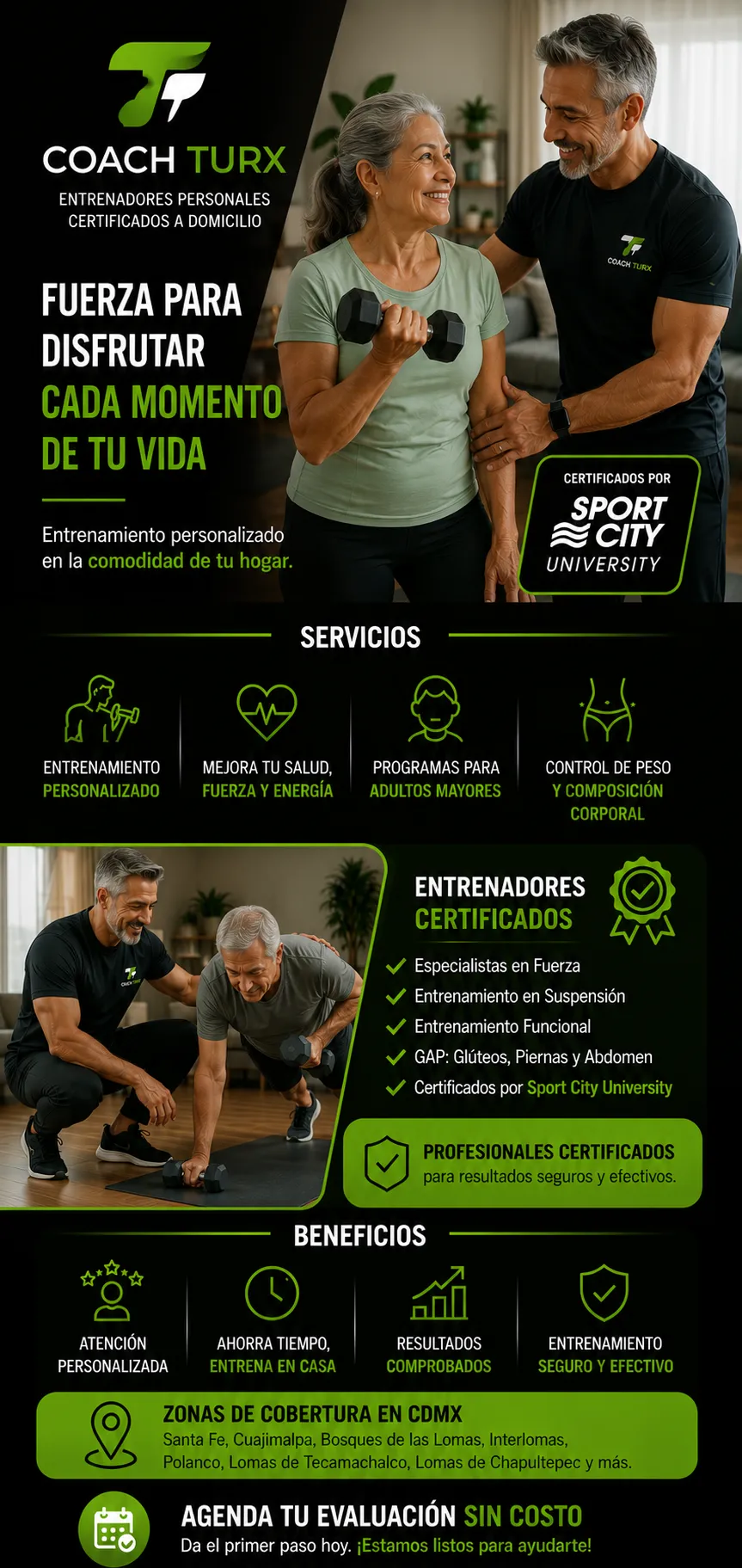
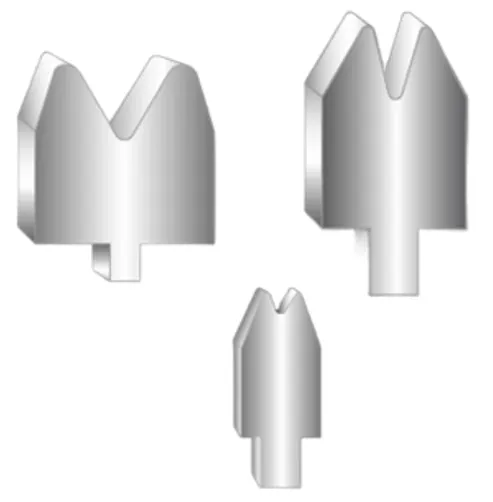
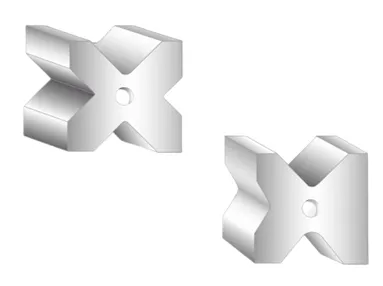
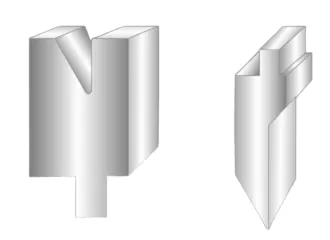
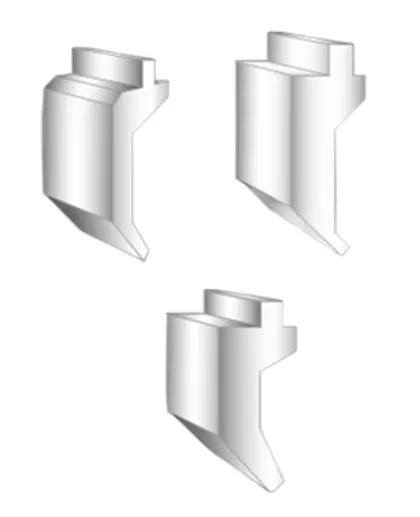
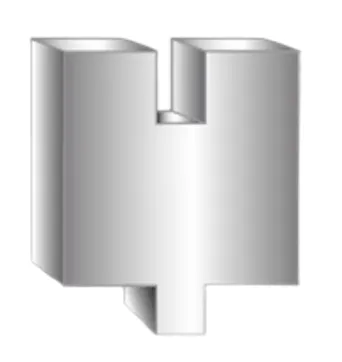
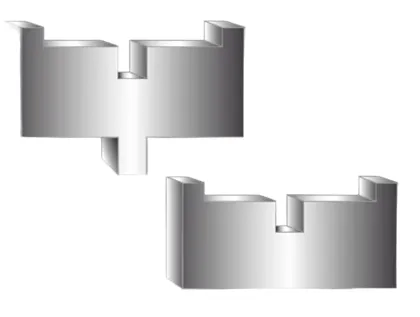
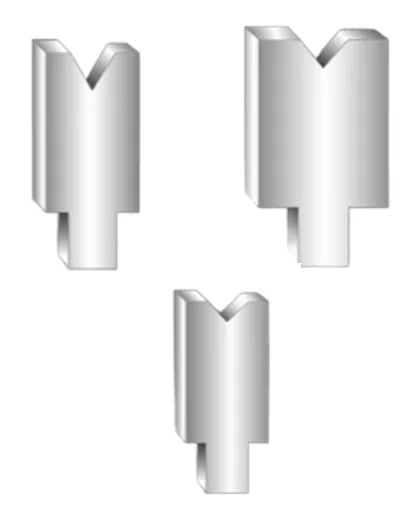
press brake clamping system quick-change Wila/Trumpf compatible conversion kits

Upgrade setups with clamping systems that deliver safety, speed and repeatability.

Match profile and reference height, protect opening height and choose the mechanism that fits your changeover frequency and part mix.

  • Interchange tooling and cut rework
  • Standardized installation & verification workflow
  • Maintenance routines with traceable records

BuscaProdPublicidad2

System types and when to use each

Clamping mechanisms can be mechanical, hydraulic or pneumatic. Selection depends on change frequency, part length and accuracy targets. Mechanical offers simplicity and stiffness; hydraulic maximizes force and ergonomics; pneumatic excels in fast, repeatable releases with low effort.

TypeStrengthBest for
MechanicalStiff, cost-effectiveStable production, tight angles
HydraulicHigh holding forceHeavy gauges, long tools
PneumaticQuick, ergonomicHigh-mix/low-volume, SMED

Always verify opening height and total stack when adding adapters or intermediate blocks.

Selection checklist and Wila/Trumpf compatibility

Compatibility focuses on die profile, reference height, effective support length and crowning. Evaluate the height impact when using adapters or conversion kits and confirm load capacity for the longest parts.

Checklist

  • European profile and seat tolerances confirmed.
  • Reference height matched to keep target angles.
  • Stops/guides that ensure centering and repeatability.

Risks to mitigate

  • Reduced opening due to increased stack height.
  • Interface play causing punch–V misalignment.
  • Additional deflection on long supports or high loads.

Installation, alignment and verification

  1. Degrease seat and bearing faces; correct high spots with a straightedge.
  2. Present the clamping unit and die; snug bolts in a cross pattern.
  3. Sweep with a dial indicator every 200–300 mm: Δ ≤ 0.05–0.10 mm.
  4. Center punch–V with gauges; apply shims only if required.
  5. Record torque/crowning and L–C–R angles with a witness coupon.

Standardize the SOP per machine/shift to lower variability.

Preventive maintenance, safety and traceability

Suggested routines

  • Daily: light cleaning and visual check.
  • Weekly: parallelism and torque verification.
  • Monthly: dimensional inspection of seat/blocks.

Avoid excessive lubricant that traps debris and alters effective height.

Minimum logbook

DateMachineDie P/NActivityΔ L–C–ROwner
__/__/__PB-###XXXXTorque/Clean±0.3°Op.
__/__/__PB-###XXXXInspection±0.4°Tech

Safety: LOTO during interventions, cut-resistant gloves and face shield; never hammer to “seat” the assembly.

Frequently asked questions (FAQ)

Yes, as long as profile and reference height match and load capacity is respected. Always validate with a witness coupon and L–C–R checks.

Conversion adds stack height and may reduce opening; check interferences, crowning range and press capacity before production.

Clean every shift, verify torque/parallelism weekly and perform a dimensional inspection monthly or after impacts.
BuscaProdPublicidad3