
Buyer and supplier meetings
Interpret purchasing requirements, delivery conditions, production capabilities and commercial questions during scheduled B2B appointments.


Professional trade show interpretation helps exhibitors, purchasing teams and international visitors communicate clearly during buyer meetings, product demonstrations, technical conversations and exhibition presentations. Compare language expertise, staffing options and event requirements before requesting a tailored quotation.


Trade show interpretation is valuable wherever multilingual conversations influence product understanding, supplier evaluation or business relationships.
Interpret purchasing requirements, delivery conditions, production capabilities and commercial questions during scheduled B2B appointments.
Help booth teams welcome international visitors, qualify inquiries and explain product advantages without language barriers.
Support multilingual presentations, demonstrations and technical briefings delivered to international audiences.
Communicate machinery specifications, applications, maintenance considerations and manufacturing terminology accurately.
Accompany overseas visitors through exhibition halls, networking activities and scheduled meetings.
Facilitate discussion of proposals, product documentation, lead times and next steps without assuming the role of a legal adviser.
The ideal method depends on the number of listeners, background noise, mobility between booths, language combinations and the pace of discussions.
Share the exhibition schedule, exhibitor profile, target markets, product glossary and expected meeting topics.
Review badge access, meeting locations, venue acoustics, breaks and communication protocols.
Support buyer conversations, technical explanations, demonstrations and scheduled appointments.
Clarify terminology or outstanding questions and prepare for the next exhibition day.
Best suited to one-on-one buyer meetings and small interactive groups that can pause for interpretation.
May suit one or two listeners when the space is sufficiently quiet and does not interfere with nearby participants.
Useful for mobile groups and guided tours when headsets, transmission coverage and ambient noise are managed.
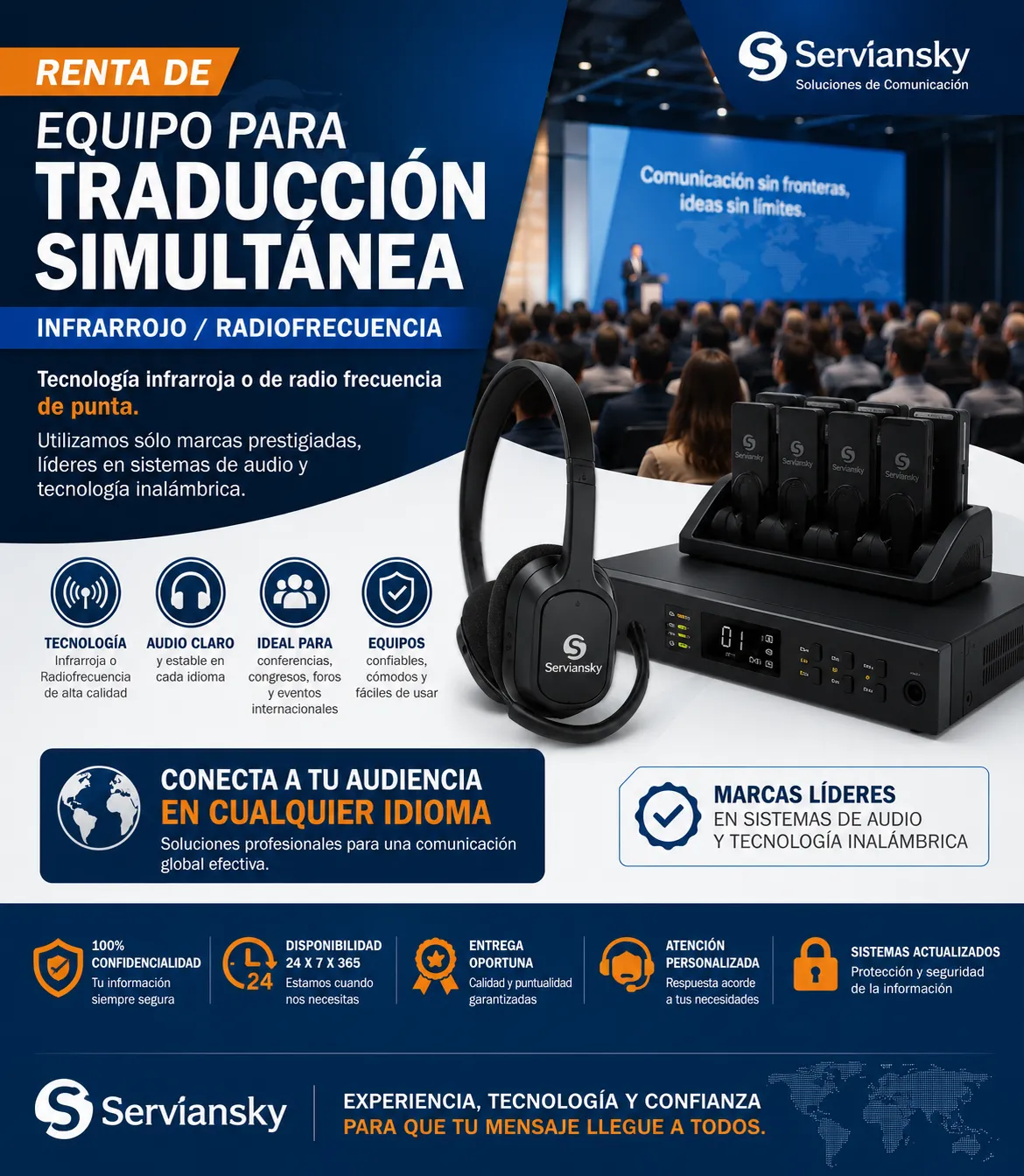
Appropriate for larger presentations requiring booths, consoles, audio routing and audience receivers.
Good planning aligns interpreter expertise with the commercial objectives, practical schedule and acoustic conditions of the exhibition.
| Planning area | What to confirm | Business impact |
|---|---|---|
| Language coverage | Language pairs, interpretation direction and anticipated visitor nationalities. | Ensures the right support for targeted buyer markets. |
| Industry specialization | Sector vocabulary, product catalogs, machinery and technical documentation. | Improves accuracy during detailed buyer questions. |
| Exhibition schedule | Dates, opening hours, meetings, presentations, breaks and potential overtime. | Matches staffing to the busiest interaction periods. |
| Booth and venue conditions | Noise, booth location, private meeting rooms and badge requirements. | Maintains communication quality and access. |
| Equipment | Portable receivers, microphones, headsets, booths, consoles and technical operators as applicable. | Prevents unexpected equipment or audio gaps. |
| Confidentiality | NDA requirements, pricing information, unpublished products and sensitive buyer data. | Protects commercial discussions. |
| Staffing and backup | Number of interpreters, working hours, relief arrangements and last-minute changes. | Supports service continuity across exhibition days. |
Use the same scope of work when requesting quotations so that language proficiency, industry experience, availability and total service costs can be compared fairly.
Check relevant exhibition experience, sector-specific terminology, interpreter availability, references where provided, and the ability to adapt to changing meeting schedules.
Confirm minimum hours, daily rates, overtime, travel, accommodation, taxes, equipment and backup arrangements. A lower daily rate may not include all operational costs.
Professional interpretation, translation, and language support services for businesses, conferences, and international events.
Answers to common questions about exhibition interpreters, multilingual buyer meetings, technical presentations, staffing, equipment and event quotations.
A trade show interpreter facilitates spoken communication between exhibitors, international buyers, suppliers and visitors during booth conversations, meetings, demonstrations and presentations.
Consecutive or liaison interpretation is often suitable for one-on-one and small-group meetings. Larger presentations may require simultaneous interpretation and suitable audio equipment.
Yes, when they have appropriate subject-matter familiarity and receive advance preparation materials. Ask providers about experience with your specific sector and product terminology.
Staffing depends on the daily schedule, language pairs, number of simultaneous meetings, required breaks and workload. Extended or overlapping assignments may require more than one interpreter.
Not always. Portable receivers, headsets, transmitters, microphones, booths and technicians may be quoted separately. Confirm exactly what is included.
Depending on the agreed scope, interpreters may accompany delegates to meetings, networking sessions, exhibition tours or technical visits. Travel and schedule requirements should be confirmed in advance.
Provide the event name, venue and city, dates, working hours, languages, industry, meeting schedule, expected attendees, equipment needs, access requirements and any travel or overtime conditions.