


Productos

Segunda mano

commercial and industrial real estate in Mexico
Actualizado el 24 de Septiembre de 2026

Commercial and Industrial Properties in Mexico

FaceBook    Twitter    Pinterest    WhatsApp

Mexico · Commercial & Industrial Real Estate

Properties for operations, logistics, retail and business expansion

Commercial and industrial real estate in Mexico includes warehouses, industrial buildings, retail spaces and other properties designed to support operations, storage, distribution and customer-facing businesses. A useful comparison should consider location, usable area, access, utilities, parking, loading conditions, fit-out requirements and long-term operational flexibility.

Explore commercial and industrial real estate in Mexico, including warehouses, industrial buildings and retail spaces in key business locations.

Key property categories

  • Warehouses and distribution facilities
  • Industrial buildings and workshops
  • Retail and commercial spaces
  • Loading and vehicle access
  • Utilities and infrastructure
  • Location and operating readiness

Estos productos podrian interesarte


Section 2

Compare property type by the space the operation actually needs

Warehouses, industrial buildings and retail spaces should not be compared only by total square meters. Separate productive or customer-facing area from offices, storage, service rooms, circulation and exterior operational areas.

Property typePrimary review pointsTypical operational focus
WarehouseClear height, loading, yard depth, floor condition and accessStorage, logistics and distribution
Industrial buildingPower, floor capacity, ventilation, layout and utilitiesManufacturing, workshop or production
Retail spaceFrontage, parking, visibility, customer area and HVACSales, services and customer-facing activity
Mixed-use commercialOffice support, access, utilities and adaptable layoutBusiness operations and flexible occupancy

Measure usable area before comparing price per square meter

Two properties with similar total area can provide very different operating capacity. Identify the space that directly supports storage, production, customer activity or administration before comparing value.

Review building condition and adaptation needs

Inspect roofs, floors, doors, electrical systems, HVAC, drainage and existing improvements. Separate reusable infrastructure from items that will require repair, replacement or removal.

Adaptation cost can materially change the effective acquisition cost of a lower-priced property.

Check flexibility for future operations

Evaluate whether the property can accommodate different layouts, additional equipment, more inventory or a new tenant profile later.

Flexible buildings can reduce future relocation or conversion costs and may offer broader long-term utility.

Compare vertical and exterior capacity

For warehouses and industrial buildings, clear height, yard depth and loading geometry can be as important as floor area. For retail, storefront width and parking can influence customer capacity more than total square meters.

Include these property-specific measures in the same comparison sheet so each option is evaluated according to its intended use.

Section 3

Review access, utilities and infrastructure as an operating system

Industrial and commercial properties depend on reliable access and infrastructure. The correct standard depends on the operation: warehouses may prioritize truck circulation, while retail properties may prioritize customer access and parking.

Vehicle access

Review gates, turning movements, loading positions and customer arrival patterns.

Utilities

Check electrical capacity, water, drainage, telecom and operation-specific systems.

Exterior areas

Compare parking, yards, pavement, drainage and pedestrian circulation.

Tip: Test the property using the largest vehicle, highest utility demand and busiest operating period expected in the business. A property that works under normal conditions may become inefficient during peak activity.

Confirm utility capacity against actual demand

Compare electrical service, water, drainage, ventilation and telecom capability with the real equipment and operating plan. Upgrades can affect both cost and occupancy timing.

Where business continuity is important, review backup power, redundant connectivity or other resilience requirements.

Inspect circulation conflicts

Check whether employee vehicles, customers, deliveries and freight traffic can operate without blocking one another. Shared access points and limited yards can create recurring bottlenecks.

For industrial properties, also confirm that emergency and maintenance access remains clear after equipment or racks are installed.

Review drainage and pavement condition

Exterior surfaces should support the expected vehicle loads and remain usable during wet conditions. Inspect low areas, damaged pavement, drainage routes and loading zones for signs of recurring maintenance issues.

These items can create meaningful repair costs even when the building itself appears ready.

Section 4

Match the location to logistics, workforce and customer needs

Location should be evaluated according to the property type and business model. Industrial users may focus on highways, suppliers and workforce access, while commercial users may prioritize customer traffic, parking and visibility.

Location factorWhat to evaluate
Highway connectivityTravel time to major roads, customers and suppliers
Workforce accessEmployee commute routes and nearby labor availability
Customer accessParking, visibility, pedestrian access and local traffic
Business ecosystemNearby suppliers, services, industrial parks or complementary businesses
Future growthExpansion potential and surrounding development trends

Compare actual routes, not only map distance

Travel time, congestion, turning restrictions and road quality can make two similarly located properties perform very differently. Review the routes used by freight, employees and customers separately.

For retail spaces, observe the site during likely peak periods. For industrial sites, test the path of expected trucks or service vehicles.

Industrial-location fit

Focus on logistics, utilities, workforce, loading efficiency and expansion capacity.

Commercial-location fit

Focus on visibility, parking, customer access, frontage and surrounding demand.

Review future development around the property

New roads, neighboring projects, industrial expansion or commercial growth can change traffic patterns and property utility over time.

Include both current operating conditions and likely future surroundings in the location comparison.

Compare resilience of the location

Consider whether the property remains practical if traffic patterns, customer demand or supply routes change. Multiple access options and diversified nearby demand can reduce dependence on a single route or customer flow.

This is particularly useful for properties intended for long-term ownership.

Section 5

Build one consistent comparison across commercial and industrial properties

Use the same financial, technical and operational framework for every shortlisted property so purchase price is evaluated together with readiness, location, infrastructure and long-term flexibility.

Property review

  • Usable operational area
  • Access and circulation
  • Utilities and infrastructure
  • Physical condition
  • Parking or loading capacity
  • Expansion flexibility

Purchase review

  • Asking price and transaction costs
  • Required fit-out or repairs
  • Location and route efficiency
  • Permitted use and documentation
  • Estimated readiness date
  • Recurring ownership costs

Suggested comparison columns

Property type, purchase price, usable area, clear height or frontage, parking, loading access, utilities, location notes, required improvements, readiness cost, recurring costs and target occupancy date.

Calculate effective acquisition cost

Add transaction expenses, renovation, utility upgrades, paving, loading improvements, HVAC, signage, security, network infrastructure and other required work to the purchase price.

This provides a more realistic comparison between properties that are priced differently but also vary in readiness.

Track unresolved technical and legal questions

Keep pending access, utility, structural, permitted-use and documentation issues visible until they are verified. Avoid assuming that a property can support the intended operation without evidence.

Final legal, engineering, zoning, environmental and transaction matters should be reviewed with qualified professionals.

Compare occupancy timing and business continuity

Estimate the time required for inspections, approvals, fit-out, repairs, utility work and equipment installation. Delays can create real business costs even when the purchase price is attractive.

For relocations, include potential downtime or temporary operating arrangements in the comparison.

Build a property-readiness score

Score condition, utilities, access, location, permitted use and required improvements using the same scale for all shortlisted options. Keep unknown items marked as pending rather than guessing.

This score can support a structured review with operations, finance, engineering and legal advisers.

Companies researching Commercial & Industrial Real Estate in Mexico can use this framework to compare warehouses, industrial buildings and retail spaces in key business locations.

REAL ESTATE FOR SALE AND RENT · INMO FINANZ

Find properties to live, invest or grow your business in Mexico

INMO FINANZ offers residential, commercial and industrial real estate in different locations throughout Mexico, with options for homebuyers, investors and businesses.

✓ Residential properties    ✓ Commercial and industrial real estate    ✓ Direct assistance for property information and availability
INMO FINANZ
Residential, commercial and industrial real estate in Mexico
INMO FINANZ offers real estate opportunities for buyers, investors and companies looking to purchase property, invest in Mexico or expand their business operations. Its portfolio includes beachfront condos, residential land, commercial spaces, industrial buildings and warehouses in selected locations throughout Mexico.
Explore real estate for different needs
  • Condos and residential properties in Puerto Morelos, the Riviera Maya and Cancun.
  • Beachfront condos with different layouts, floor areas, ocean views and amenities.
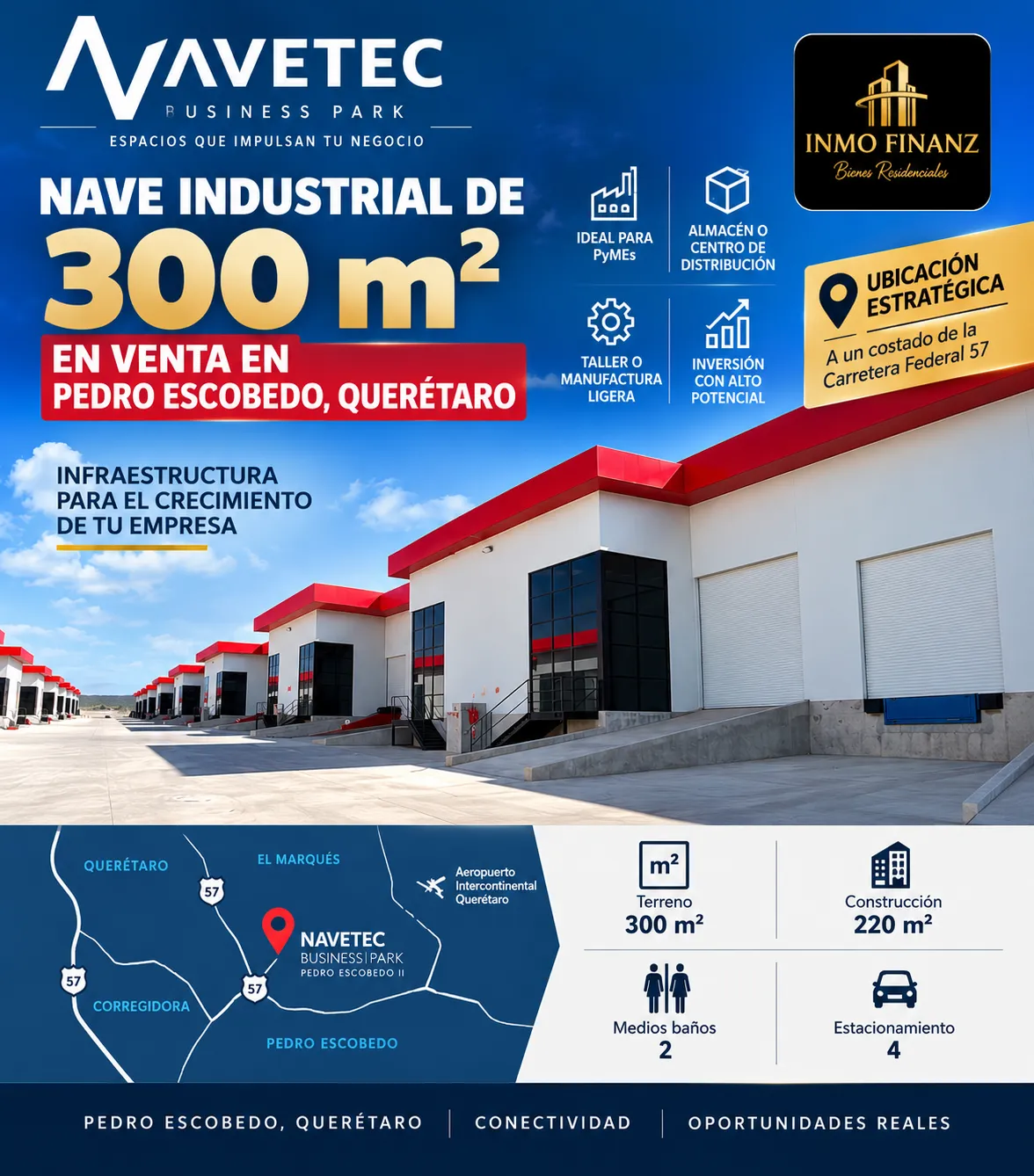
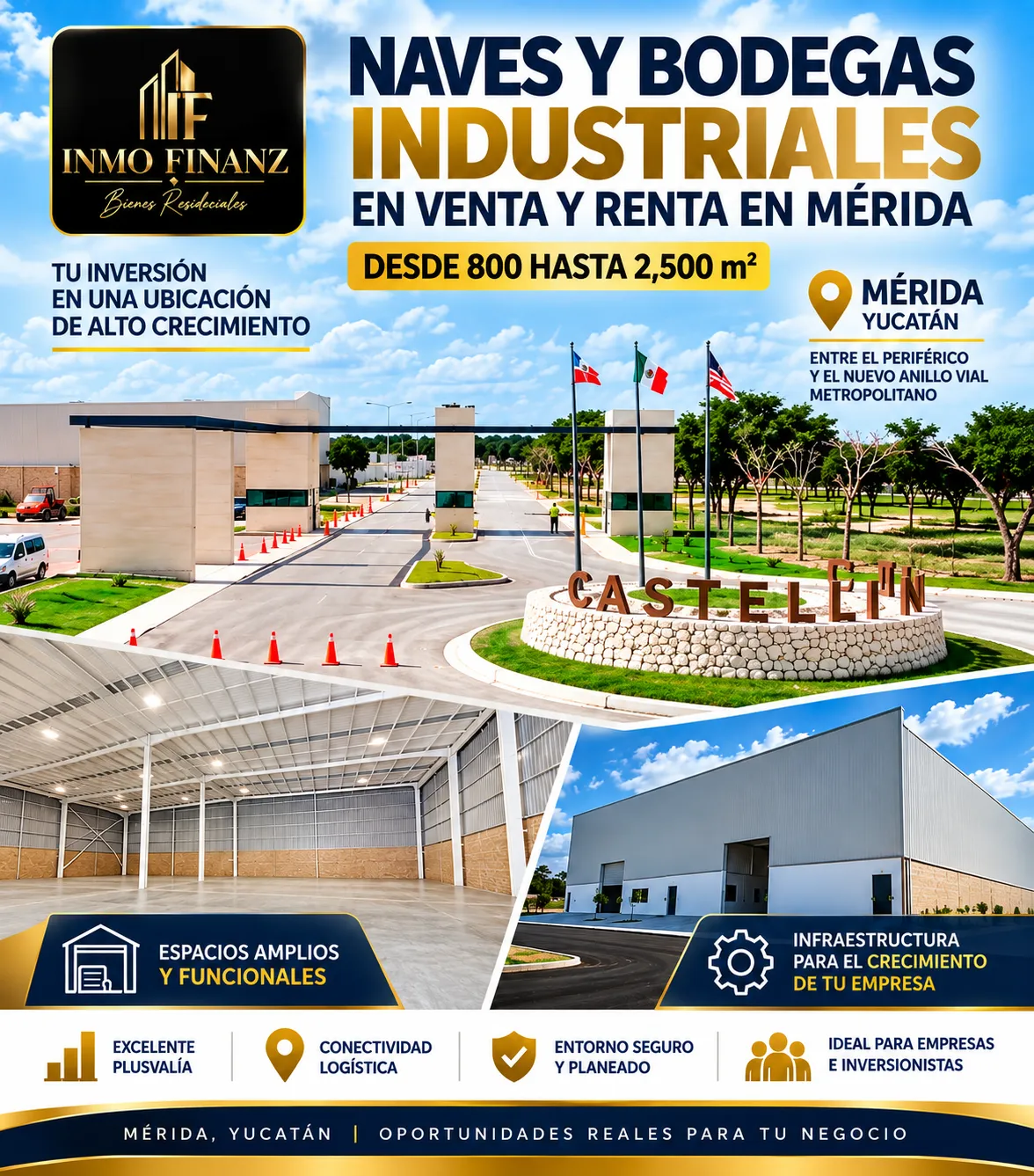
  • Industrial buildings and warehouses for companies requiring space for operations, storage, logistics or expansion.
  • Commercial properties for businesses looking for strategically located retail or commercial space.
  • Residential land for home construction, investment or long-term property ownership.
Review available properties
  • Compare property features, floor areas, layouts and locations.
  • Explore different options according to property type and your purchase or investment requirements.
  • Review information about amenities, equipment and specific property features.
  • Request additional information, current availability and property details directly from the real estate provider.

Section 6

Frequently asked questions

Common categories include warehouses, industrial buildings, workshops, distribution facilities, retail spaces and mixed-use commercial properties.

Usable area shows how much space directly supports storage, production, customer activity or administration after support areas are separated.

Clear height, loading access, yard depth, floor condition, security, fire protection and road connectivity are common priorities.

Power, utilities, floor capacity, ventilation, equipment layout, loading and expansion potential are typical review points.

Frontage, visibility, parking, customer access, usable selling area, HVAC and surrounding demand are common priorities.

Compare available electrical, water, drainage, telecom and other infrastructure with the actual requirements of the intended operation.

Traffic, deliveries, parking and employee movement can create bottlenecks that are not visible during a quiet site visit.

It combines purchase price with transaction expenses, repairs, fit-out, utility upgrades and other work needed before the property is operational.

Industrial users often prioritize logistics and workforce access, while commercial users may place more emphasis on customers, parking and visibility.

Maintenance, utilities, security, common charges and other recurring expenses affect the long-term cost of owning or operating the property.

A property that can support more equipment, storage, staff or customer space may remain useful as the business grows.

Confirm documentation, permitted use, technical condition, access, utilities, required improvements and transaction terms with qualified professionals.

Inspections, permits, fit-out and utility work can delay operations, so readiness timing should be considered together with acquisition cost.

Unverified assumptions about utilities, access, structure or permitted use can materially change whether a property is suitable for the intended business.

Yes, as long as shared criteria are combined with property-specific factors such as clear height for warehouses or frontage for retail spaces.

New roads, businesses or neighboring projects can change traffic, access, visibility, logistics and the long-term utility of the property.

Damaged pavement or poor drainage can affect trucks, customers and employees while creating repair costs that are easy to overlook during an interior-focused inspection.

A consistent score helps compare condition, infrastructure, access, location and required improvements while keeping uncertain items clearly marked for further review.

Commercial and industrial property decisions can involve legal, zoning, engineering, environmental and operational requirements. Final suitability, permitted use and transaction terms should be verified with qualified professionals.

Estos productos podrian interesarte


BlogBannerInferior
BlogBannerInferior