Productos
Segunda mano
Servicios
Reverse osmosis systems for congeladoras


Reverse osmosis for congeladoras focused on stable process water and operational confidence
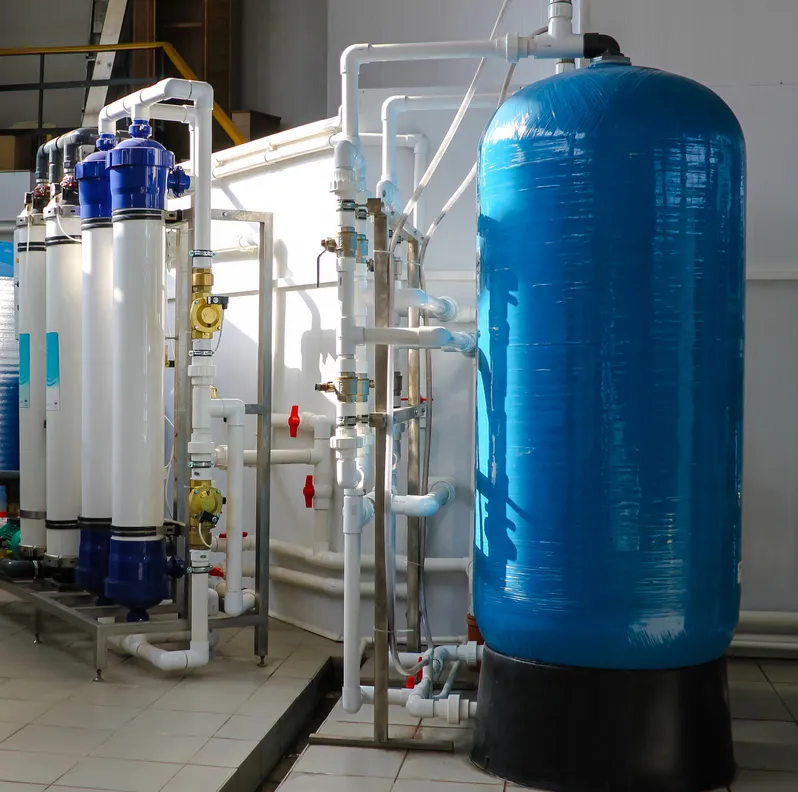
Freezing and cold-chain operations depend on water quality in washing, rinsing, ice generation, ingredient preparation, utility support and sanitation. A well-engineered reverse osmosis system helps reduce dissolved salts, hardness, silica, chlorides and conductivity variation before they create deposits, flavor risks, surface marks, equipment fouling or inconsistent production conditions.
For congeladoras, reverse osmosis is not only a filtration step. It is a control point that connects raw water variability with product quality, hygiene expectations, boiler or cooling support, CIP practices and predictable plant operation. The correct solution should consider incoming water chemistry, required permeate quality, flow demand, recovery rate, pretreatment, instrumentation, automation and maintenance access.
Why RO matters in frozen-food facilities
Water used in congeladoras can influence product handling, equipment hygiene, heat-transfer surfaces, steam generation and cleaning effectiveness. When the feedwater contains high hardness, alkalinity, chlorides or total dissolved solids, the plant may experience scale, staining, variable rinsing, higher chemical demand and reduced service life of downstream equipment.
A reverse osmosis solution helps create a controlled water baseline. This allows engineering teams to define operating limits, compare daily performance, protect membranes and adapt the system to production growth without depending only on corrective maintenance.
- ✓ Permeate quality aligned with industrial process requirements.
- ✓ Pretreatment strategy based on water analysis and fouling risk.
- ✓ Technical basis for selecting capacity, recovery and automation.
Estos productos podrian interesarte

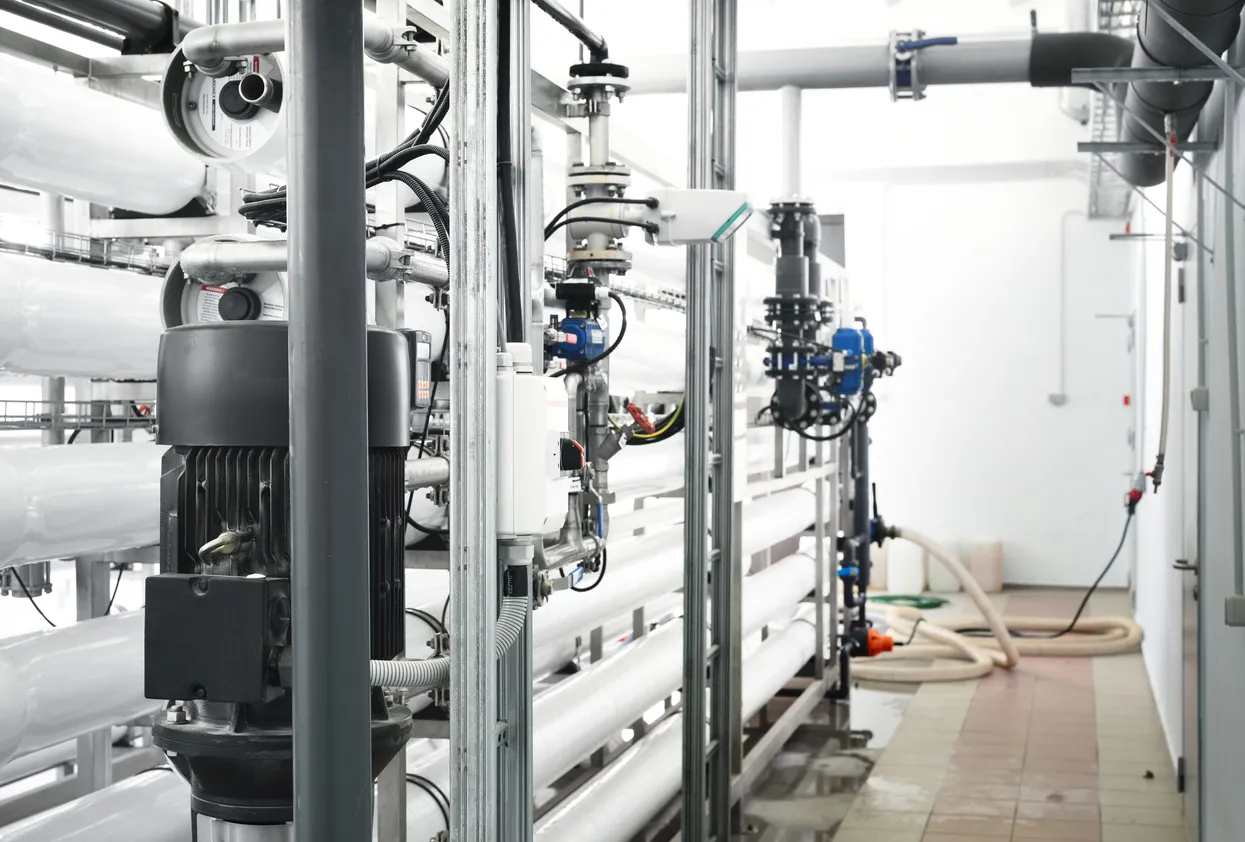
Water quality objectives for reverse osmosis in congeladoras
The first purchase decision should not be based only on nominal flow. In congeladoras, the water specification must be connected to the actual uses of permeate: product contact support, final rinses, ice or glaze preparation when applicable, boiler feed polishing, cooling make-up, humidification, sanitation preparation and general process water. Each use has a different sensitivity to conductivity, hardness, microbiological control, silica, alkalinity and chloride concentration.
A reverse osmosis project begins with a representative feedwater analysis. The analysis should include pH, conductivity, TDS, hardness, calcium, magnesium, alkalinity, chlorides, sulfates, silica, iron, manganese, turbidity, SDI where possible, free chlorine and temperature. These variables define the pretreatment approach, membrane selection, recovery rate and cleaning frequency. A project without this basis may operate at the beginning, but it usually becomes difficult to stabilize when seasonal water changes or production peaks appear.
Conductivity and dissolved solids
Reverse osmosis reduces dissolved salts that can affect taste neutrality, spotting, equipment deposits and consistency in downstream utilities. In congeladoras, stable conductivity helps standardize water used across shifts and production campaigns.
Hardness and alkalinity
Hardness is a common cause of scale in heaters, boilers, exchangers and piping. RO supported by softening or antiscalant control can reduce mineral loading and help maintain heat-transfer efficiency.
Silica and scaling risk
Silica can limit recovery and increase cleaning complexity. Its behavior depends on pH, temperature and concentration factor, so it must be reviewed before defining recovery percentage.
Chlorine and membrane protection
Polyamide membranes are sensitive to oxidants. Activated carbon, chemical reduction or controlled dosing may be required to protect membranes and avoid irreversible rejection loss.
Technical links for evaluation
When defining a water-quality objective, buyers can compare the project with a complete sistema de ósmosis inversa, review the scope of ingeniería de ósmosis inversa, and identify support requirements through servicio de ósmosis inversa. For broader supplier comparison, the category of servicios de ósmosis inversa can help structure technical conversations.
The final specification should include permeate flow, permeate conductivity target, operating temperature range, feed pressure, recovery percentage, pretreatment requirements, acceptable cleaning frequency, instrumentation and alarm philosophy. This prevents the project from being evaluated only by equipment price and helps compare proposals on technical equivalence.
Engineering design criteria for cold-chain process water
A reverse osmosis system for congeladoras must be designed around the complete plant profile, not a single isolated water point. Engineers should review hourly demand, peak demand, storage volume, sanitation schedules, start-stop frequency, available footprint, drain capacity, electrical service, chemical storage, raw-water variability and required redundancy.
The design must also consider that cold environments can change water temperature, viscosity and membrane production. Lower feed temperature reduces permeate flow, so membrane array sizing and pump selection should include realistic temperature correction. If the plant expects constant output during colder seasons, the system may need more membrane area, a larger high-pressure pump, adjusted recovery, or a storage strategy that balances production peaks.
Main design components
Pretreatment train
Depending on feedwater, pretreatment may include multimedia filtration, activated carbon, softening, antiscalant dosing, cartridge filtration, dechlorination and pH control. Pretreatment protects membranes from suspended solids, chlorine, hardness precipitation, iron fouling and organic loading.
RO membrane array
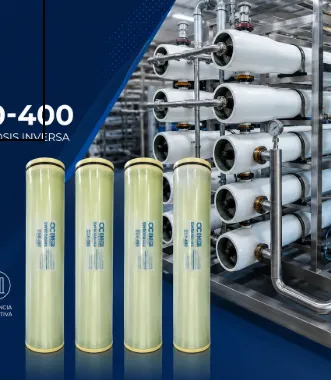
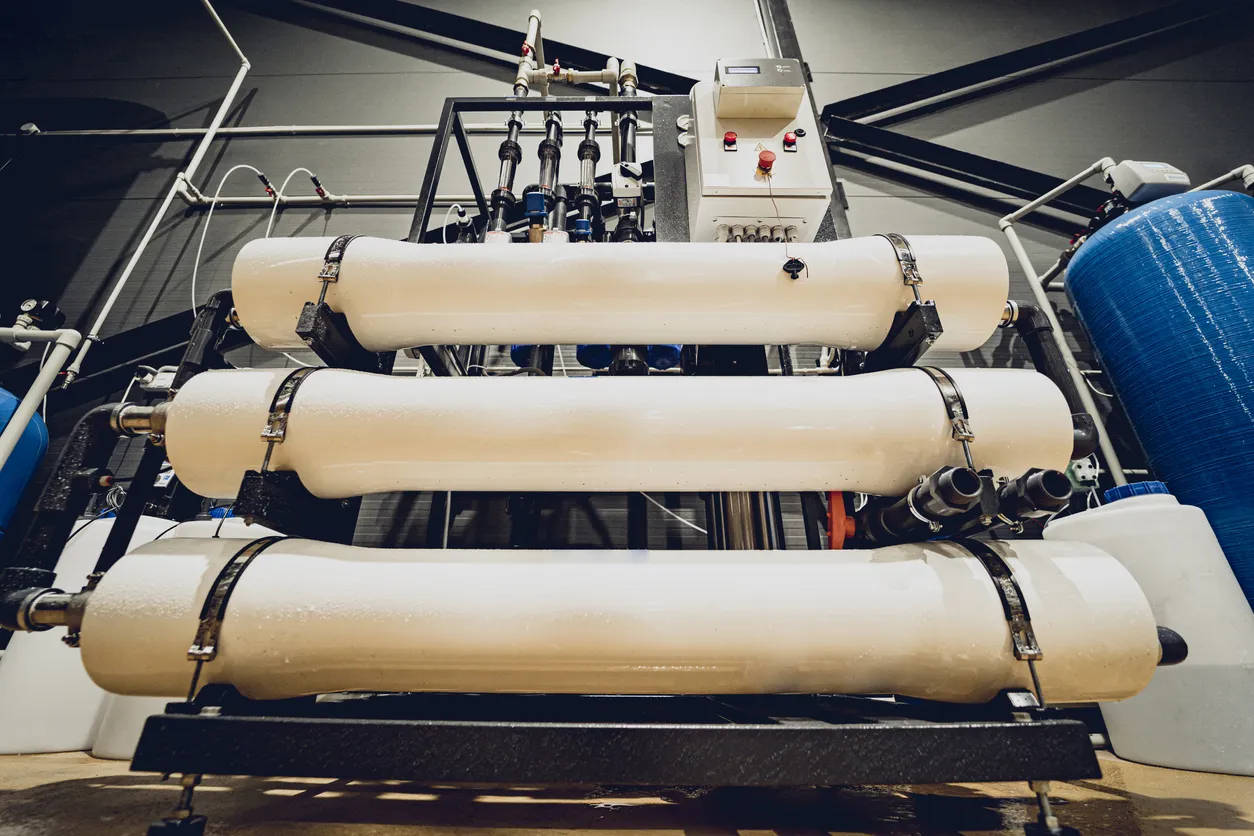
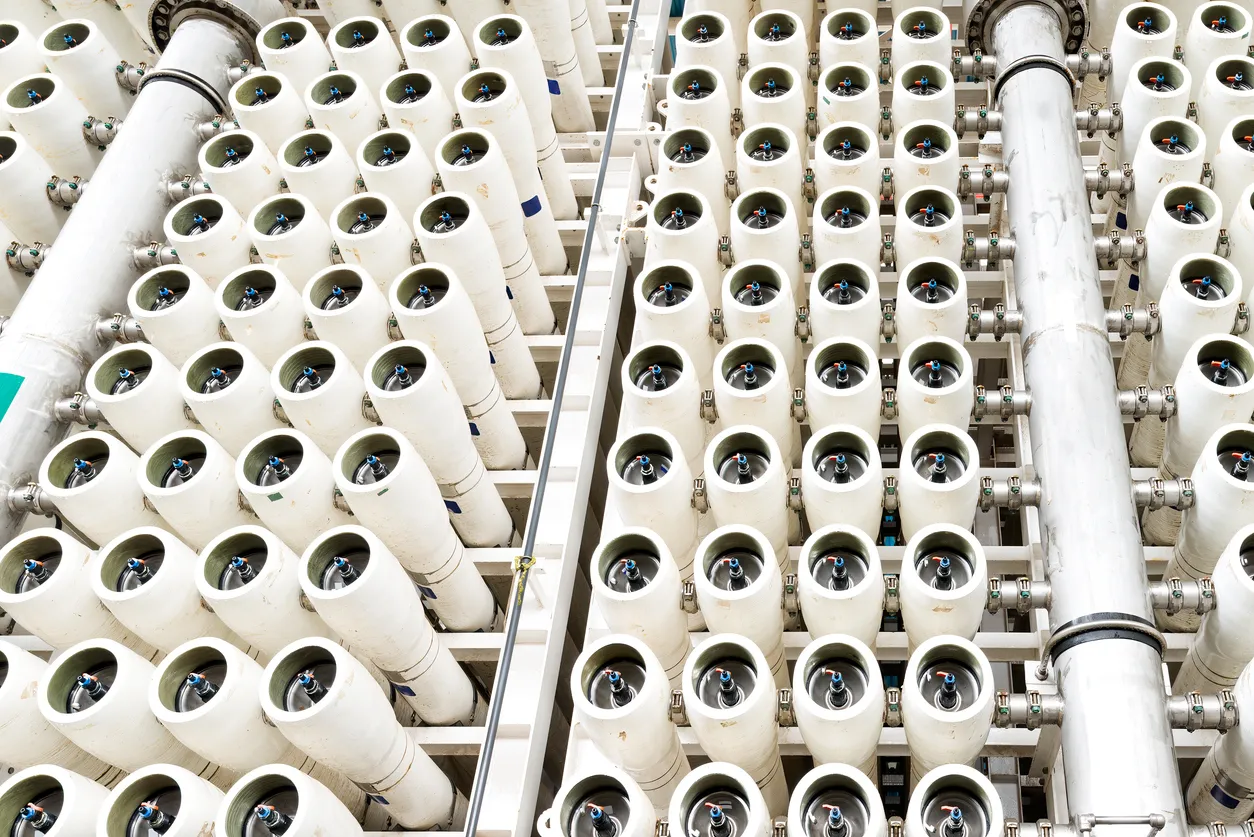
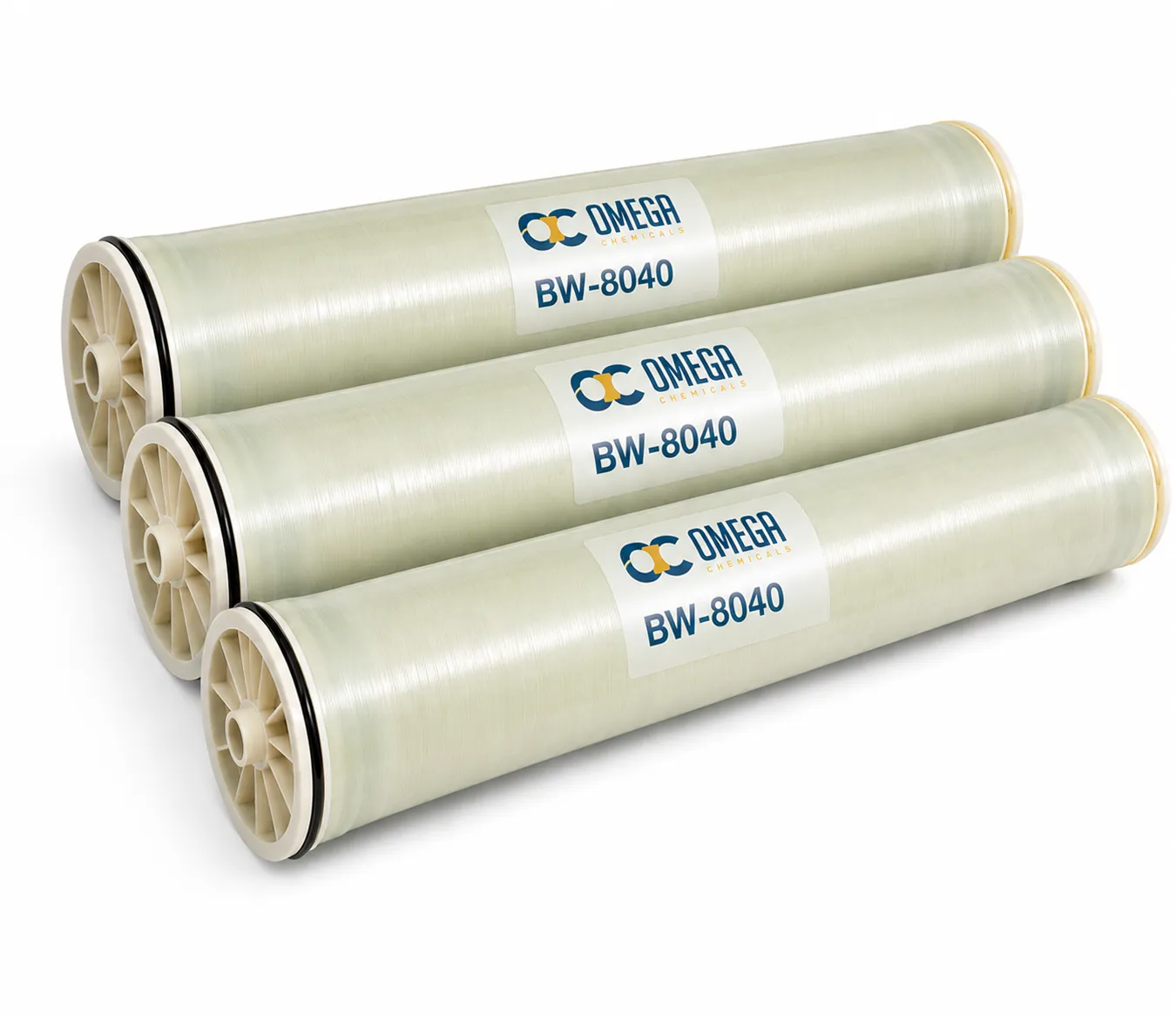
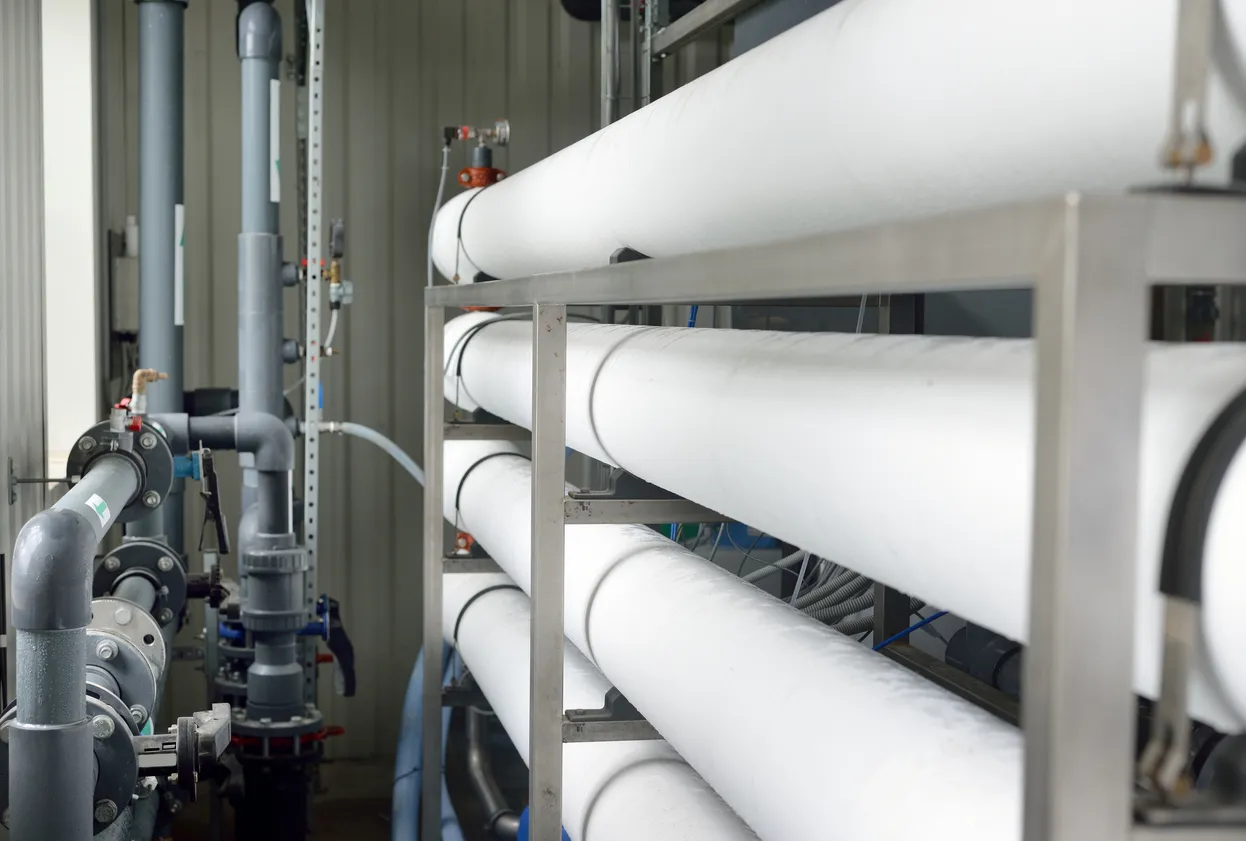
The array defines flux, recovery, pressure and cleaning sensitivity. A conservative flux is often preferred when continuity is more valuable than maximum water recovery. Proper staging helps manage concentration and maintain stable rejection.
Instrumentation
At minimum, the system should monitor feed pressure, post-filter pressure, pump discharge pressure, concentrate pressure, permeate flow, concentrate flow, conductivity, temperature and operating hours. These values support maintenance decisions.
Automation and alarms
Automation should include low-pressure protection, high-pressure shutdown, conductivity alarms, tank level control, flush cycles, chemical interlocks and fault messages that operators can understand quickly during production.
Capacity planning
A useful capacity calculation includes average flow, maximum hourly flow, storage recovery, cleaning downtime, membrane aging and future production growth. Oversizing without control can cause cycling, while undersizing creates operating stress.
Hygienic operation
Although RO is not a standalone microbiological barrier for every application, system layout should reduce stagnation, allow flushing, simplify sanitation and protect stored permeate from recontamination.
Service access
Membrane housings, cartridge filters, valves, instruments and chemical dosing points should be accessible. Serviceability reduces downtime and makes maintenance more consistent across shifts.
Operation, monitoring and maintenance for predictable performance
After installation, the value of reverse osmosis depends on disciplined operation. A plant can have good equipment and still lose performance if operators do not record normalized flow, pressure differential, conductivity trend, chemical consumption and cleaning events. For congeladoras, this is important because production interruptions can affect product handling, sanitation schedules and utility availability.
Operational control should distinguish between normal variation and early failure signals. For example, permeate flow can drop because feedwater temperature decreased, but it can also drop because membranes are fouled. Conductivity can rise due to membrane damage, seal leaks, high recovery, poor flushing or chemical oxidation. Pressure differential can increase due to cartridge filter loading, biofouling, suspended solids or scaling inside the membrane elements.
Recommended monitoring routine
- Record feed, concentrate and permeate pressures at the same operating condition.
- Measure permeate and feed conductivity to calculate rejection trend.
- Track permeate flow and concentrate flow to confirm actual recovery.
- Review cartridge filter pressure drop before it affects pump suction.
- Document chemical dosing settings, tank levels and replenishment dates.
- Use normalized data when temperature or feed salinity changes significantly.
Cleaning strategy
CIP should be based on symptoms and membrane condition. Acid cleaners are commonly used for mineral scale, alkaline cleaners for organic or biological fouling, and specific procedures may be needed for iron, silica or microbiological issues. Cleaning too late can reduce recovery of performance; cleaning too often without cause increases cost and may stress membranes.
Common triggers include a normalized permeate flow decline, increased salt passage, rising pressure differential or operating pressure increase. The threshold should be established during commissioning and reviewed with the service provider.
Spare parts and continuity
For congeladoras, spare cartridge filters, critical sensors, dosing pump parts, pressure switches, valves, O-rings and at least a replacement plan for membranes can reduce unplanned downtime. The spare-parts strategy should be aligned with the plant's ability to tolerate production interruptions.
A maintenance plan should also define who performs inspections, how results are recorded, how alarms are escalated and when an external service team is required.
How to compare proposals and make a better purchase decision
A strong proposal for reverse osmosis congeladoras should make assumptions visible. It should show feedwater basis, design temperature, membrane model, array configuration, projected permeate quality, recovery, pump size, pretreatment details, controls, materials of construction, cleaning provisions, instrumentation and expected consumables. If a proposal omits these points, the buyer may be comparing incomplete scopes.
The lowest initial price can become expensive when it leads to high cleaning frequency, membrane replacement, poor recovery, insufficient capacity, weak automation or lack of service. The purchasing team should evaluate total technical fit: equipment, engineering, installation support, commissioning, operator training, documentation and ongoing maintenance.
Evaluation checklist
| Criterion | What to verify | Why it matters |
|---|---|---|
| Feedwater basis | Complete analysis and design temperature | Prevents undersizing and wrong recovery assumptions |
| Pretreatment | Filtration, dechlorination, softening or antiscalant | Protects membranes and stabilizes cleaning frequency |
| Instrumentation | Pressure, flow, conductivity, temperature and alarms | Allows diagnosis before failures become critical |
| Service scope | Commissioning, training, maintenance and support | Reduces risk during ramp-up and operation |
| Documentation | Manuals, drawings, setpoints and consumables list | Improves internal maintenance and audit readiness |
Commercial and technical alignment
The best buying process connects production, quality, maintenance and procurement. Production defines required flow and operating windows. Quality defines water targets and control points. Maintenance defines accessibility, spare parts and service expectations. Procurement compares suppliers using equivalent technical scope.
For more complete context, review options around sistema de ósmosis inversa, technical design through ingeniería de ósmosis inversa, and lifecycle support through servicio de ósmosis inversa. These references help the buyer move from a generic equipment request to a solution that can be operated and maintained with confidence.
A final recommendation should include a written design basis, operating limits, expected permeate quality, pretreatment responsibilities, utility requirements, commissioning protocol and maintenance plan. This makes reverse osmosis congeladoras a controlled engineering decision rather than only a purchase of skids and membranes.
Heat transfer fluids for data centers, HVAC and industrial applications
Omega Chemicals offers solutions such as DOWFROST™ LC, KOSTChill PG XL, OMEGA DO LC30 and OMEGA DO LC25 for reliable thermal performance in critical applications.
- DOWFROST™ LC for data centers.
- KOSTChill PG XL for HVAC and computing.
- PG fluids for heat transfer.
- OMEGA DO LC30 PG 30 heat transfer fluid.
- OMEGA DO LC25 for industrial engines.
- Guidance in selecting the right product.
FAQ about reverse osmosis for congeladoras
These questions help clarify the technical and purchasing criteria for companies evaluating reverse osmosis congeladoras as part of process water, utility water or quality improvement projects.
Final technical note
Reverse osmosis congeladoras should be evaluated as an integrated water-treatment system. The strongest projects define raw-water risk, permeate objectives, pretreatment, instrumentation, controls, cleaning strategy and service responsibilities before purchase. This approach helps improve water consistency, protect equipment and support uninterrupted operation in demanding frozen-food and cold-chain environments.
Temas que te pueden interesar
Estos productos podrian interesarte